How Often Should You Wash Sheets, Pillowcases, Duvet Covers and Pillows?
Weekly is the standard for sheets and pillowcases, with hot water if you have dust mite allergies. Here is how often to wash everything else on the bed.
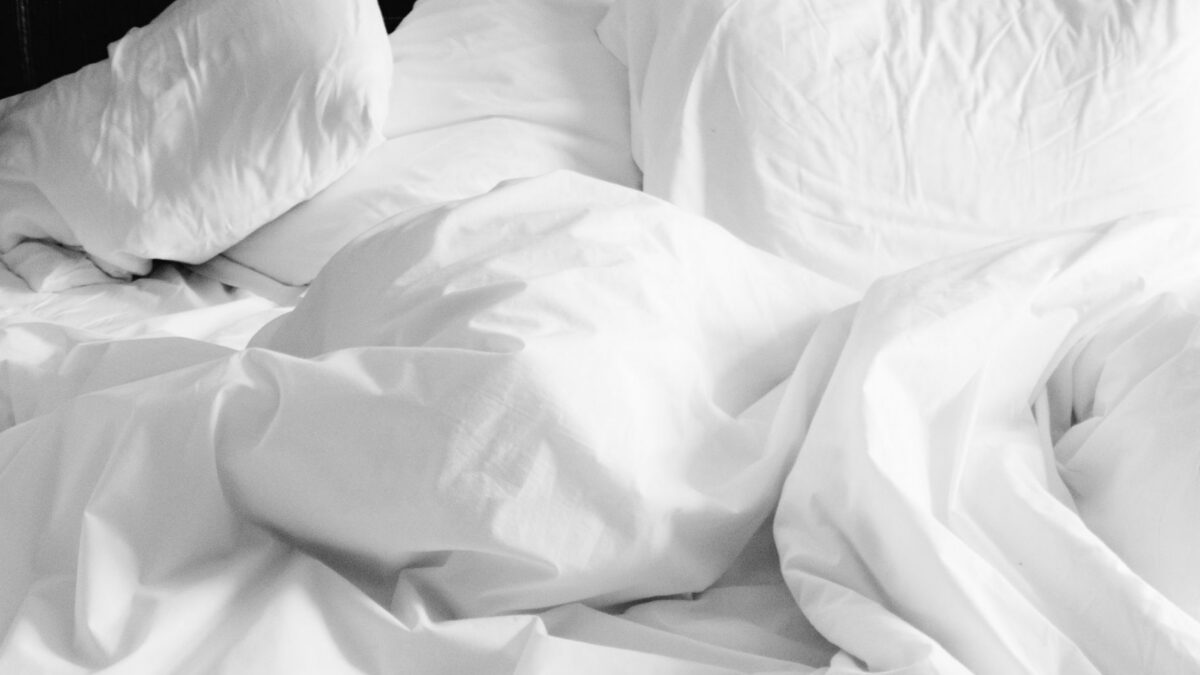
Wash sheets and pillowcases once a week, and no less often than every two weeks. If you or someone in the household has a dust mite allergy, the Asthma and Allergy Foundation of America (AAFA) advises washing sheets, blankets and throw rugs weekly in hot water of at least 130°F. Duvet covers can usually go every one to two weeks, while pillows, comforters and mattress protectors need washing every few months, as their care labels allow.
Your bed collects sweat, skin flakes, body oils, saliva and whatever you bring in from outside, plus pet hair if animals share it. None of that is visible at first, which is why a fixed schedule works better than waiting until sheets look dirty.
A simple bedding schedule
| Item | How often | Notes |
|---|---|---|
| Sheets | Weekly (every 2 weeks at most) | More often if you sweat at night, sleep with pets or are ill |
| Pillowcases | Weekly, or more often | Twice a week can help if you use face or hair products |
| Duvet cover | Every 1 to 2 weeks | Weekly if you sleep without a top sheet |
| Blankets and throws on the bed | Every 2 to 4 weeks | Weekly in hot water for dust mite allergies (AAFA) |
| Comforter or duvet insert | A few times a year | Follow the care label; covers protect it |
| Pillows | Every 3 to 6 months, if washable | Memory foam is spot-clean only |
| Pillow protectors | Monthly | Zippered covers under the pillowcase |
| Mattress protector | Every 1 to 2 months | Right away after spills, sweat or accidents |
These intervals are practical guidelines rather than hard rules. Sweat, pets in the bed, eating in bed, hot weather and illness all shorten them.
Dust mites and allergy households
Dust mites are tiny creatures that live in bedding, upholstery and carpets and feed on shed skin. Their droppings are a common indoor allergen. AAFA’s dust mite allergy guidance includes:
- Washing sheets, blankets and throw rugs weekly in hot water of at least 130°F.
- Covering mattresses and pillows with zippered allergen-barrier covers.
- Keeping indoor humidity between 30 and 50%.
- Vacuuming weekly with a HEPA-filter vacuum.
Water this hot can scald skin, so handle wet laundry with care and check that your washer’s hot setting or sanitize cycle reaches that temperature (your manual will say). If the care label does not allow hot water, some allergy groups and clinics suggest a hot dryer cycle as an alternative; follow the label’s drying limits. Our guide to getting rid of dust mites covers the rest of the bedroom.
When someone is sick
When a household member has a cold, flu, stomach bug or another infection, wash their sheets and pillowcases more often, ideally every few days and after the illness ends. CDC household cleaning guidance has advised:
- Wearing disposable gloves to handle a sick person’s laundry if available, and washing hands right after removing them.
- Not shaking dirty laundry.
- Using the warmest water the care label allows and drying items completely.
- Washing a sick person’s items with the rest of the household’s laundry is acceptable.
- Cleaning the hamper, or using a washable or disposable liner.
How to wash sheets so they stay fresh
- Read the care label. Cotton and linen usually tolerate warm or hot water; microfiber, bamboo-derived rayon and silk often need cooler, gentler cycles.
- Do not overload. Sheets wrap around each other and trap detergent. Wash one set at a time in smaller machines.
- Use the right amount of detergent. Too much leaves residue that holds odors.
- Pretreat yellowed areas on pillowcases with a little liquid detergent.
- Dry fully before folding or putting back on the bed. Damp bedding can smell musty and grow mildew.
If you use chlorine or oxygen bleach on white sheets, follow the product label, keep the laundry area ventilated and never mix bleach with vinegar, ammonia or other cleaners. If someone swallows, inhales or gets a cleaning product in the eyes, call Poison Control at 1-800-222-1222 (US) or emergency services.
Pillows, comforters and protectors
Pillows and comforters are bulky and do not need weekly washing if you use pillowcases, pillow protectors and a duvet cover. Washing them a few times a year keeps them fresher and helps with allergens. See our guides on how to wash a pillow (including which types should never go in the machine) and how to wash a down comforter.
Saving time and money
- Keep two sets of sheets per bed so you can change the bed and wash later.
- Use a top sheet if you like duvets; it means washing the duvet cover less often.
- Wash full loads of bedding together rather than half-loads, without overloading.
- Air the bed in the morning by pulling back the covers for a while, which lets moisture escape.
Bottom line
Change and wash sheets and pillowcases weekly, or every two weeks at the outside. Use hot water (at least 130°F) if dust mite allergies are an issue and the label allows it, wash more often when someone is sick, and give pillows, comforters and protectors a wash every few months.
FAQ
Is it bad to wash sheets only once a month?
It is longer than most guidance suggests. Sweat, oils and allergens build up, and the bedding wears faster when finally washed. Aim for weekly or every two weeks.
Do sheets need hot water?
Not always. Warm water and enough detergent clean most sheets. Hot water of at least 130°F is recommended for dust mite allergies, if the care label allows it.
How often should I wash sheets if I sleep with my dog or cat?
At least weekly, and more often if your pet goes outdoors or sheds heavily.
Should I wash new sheets before using them?
Yes, it is a good idea. Washing removes finishes and dust from manufacturing and storage.