Car Smells Like Rotten Eggs: Causes, Fixes and When to Get Help
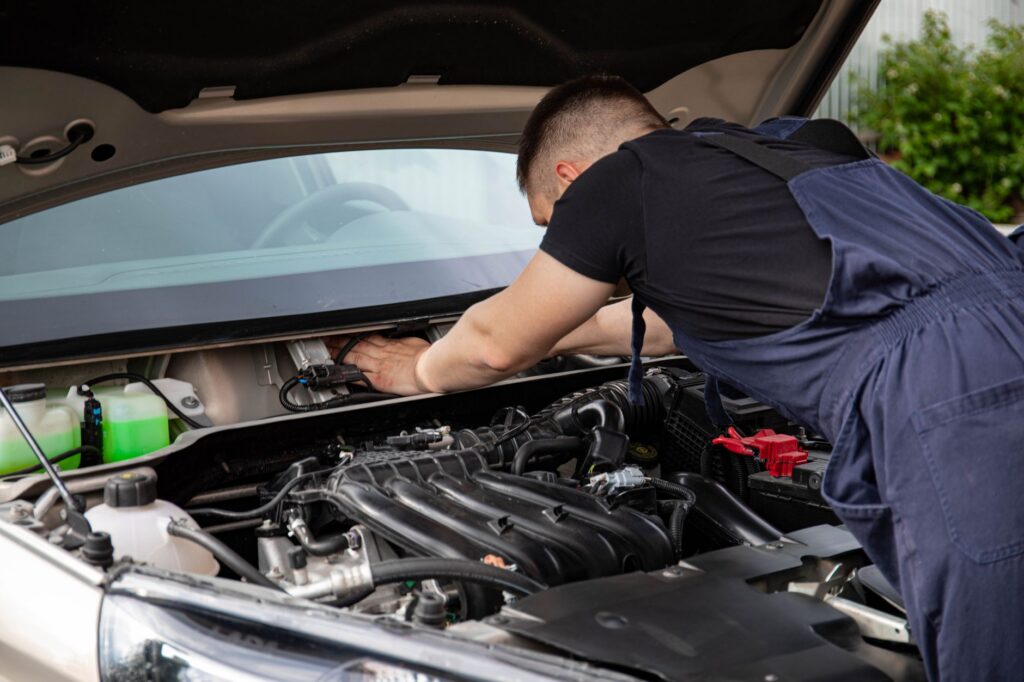
A rotten egg smell in your car often points to the catalytic converter, fuel system or battery. Learn how to tell which one it is and what to do next.
A rotten egg smell in your car often points to the catalytic converter, fuel system or battery. Learn how to tell which one it is and what to do next.
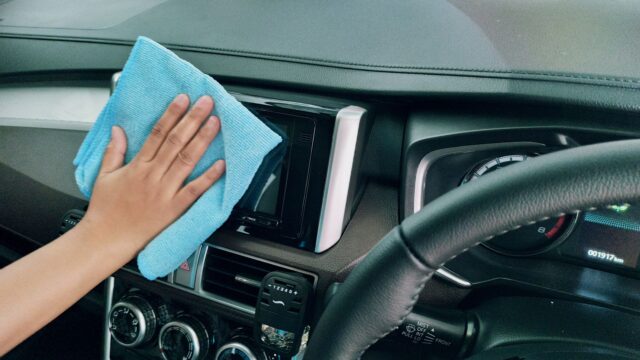
Clean in the right order and you only do each job once. Here is a practical routine for dash, vents, cupholders, seats, carpets and glass, plus the products to keep off screens and leather.
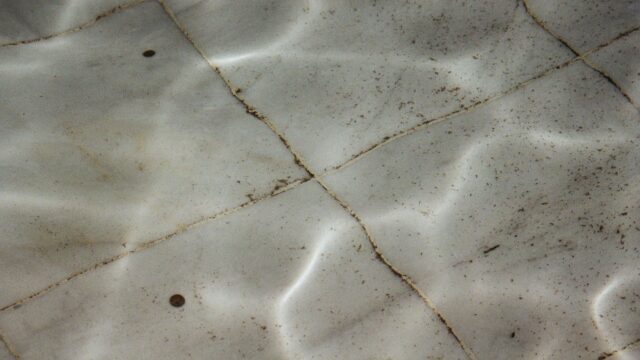
Learn the usual steps of water damage restoration, from stopping the source to drying and repairs, and how a typical homeowner insurance claim is handled.
Scale from hard water slows brewing and affects taste. The right descaler depends on the machine, and the manual matters most with espresso makers.
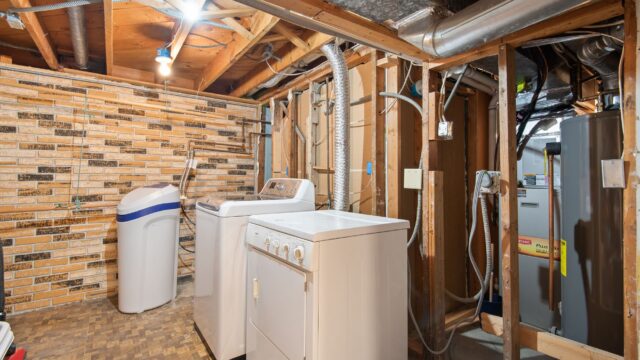
Dehumidifier capacity ratings changed in 2019, which confuses a lot of shoppers. Here's how to read the specs, size one for a damp room and pick the right drainage.
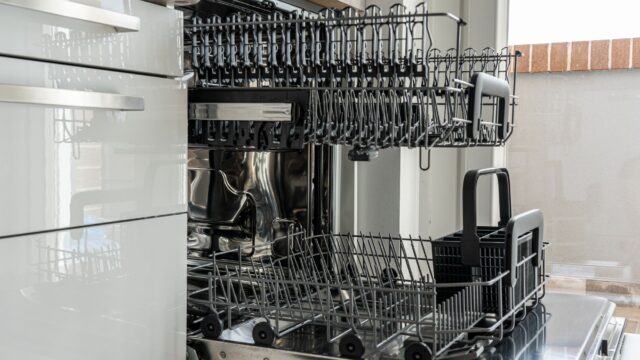
Most dishwashers clean well enough; the differences are size, noise, rack flexibility and upkeep. Here's how to read the spec sheet before you buy.
Act fast with blotting and cold water for fresh red wine spills, then use gentle stain removers for dried marks on clothes and couch fabric. Steps by material.
Act fast, blot, rinse from the back with cold water, then treat with detergent. Step-by-step fixes for cranberry sauce on clothes, tablecloths and carpet.
Shoe odor comes from moisture and bacteria. Here is how to clean and deodorize sneakers, leather shoes, boots and insoles safely, and how to keep the smell away.
Harden the wax with ice, scrape off the bulk, then lift the rest with an iron and paper towels. Here is how to get candle wax out of clothes, plus dye and grease fixes.
Wash tablecloths by fabric: cotton and polyester in the machine, linen gently, vinyl by hand. Learn how to treat stains first and avoid setting them with heat.
Wash a baseball cap by hand or on the dishwasher's top rack, and learn why the washing machine can crush the brim and shrink or fade the crown.
Running water and a little friction clean most produce. Learn when a baking soda soak is optional, how to handle greens and melons, and why soap and bleach are out.
Most dishwasher problems, from dirty dishes to a sour smell, trace back to a clogged filter. Here is a monthly routine that takes about 20 minutes, plus what to know before running vinegar.
Greasy oven racks come clean with a long hot-water soak, a little dish soap and a baking soda scrub. Here is the method, the dryer sheet question, and how to keep racks sliding smoothly.
Floor mats take the worst of the mud, salt and spills. Here is how to clean both types properly, remove white salt marks, and put them back safely.
Every wash method trades convenience against paint wear, chemicals and water. Here is how brush, soft-touch, touchless and hand washing compare.
Sap, bird droppings and bug splatter all have one thing in common: the longer they bake on paint, the harder they are to remove without a mark.
Winter mold is mostly a moisture problem: warm, damp indoor air meets cold windows and walls. Control humidity and ventilation and most of it never starts.
A dirty humidifier tank can grow mold and bacteria, and hard water leaves white dust everywhere. Here's the simple cleaning routine the EPA recommends.
Bathroom ceiling mold is usually shower steam with nowhere to go. Clean it safely overhead, then fix the ventilation so you're not doing this every month.
We use analytics cookies to see which articles are read. No ads cookies. Privacy policy