How to Get Candle Wax Out of Carpet, Wood Floors and Tablecloths
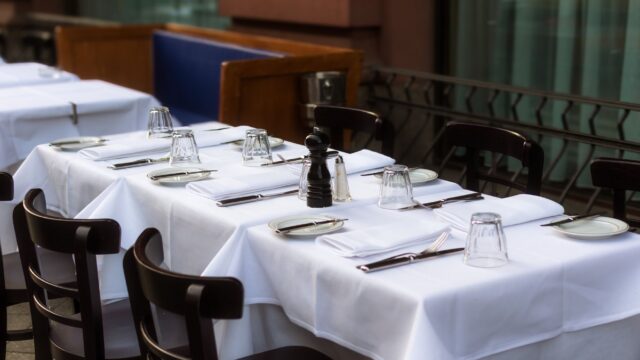
Candle wax comes out in two stages: harden and scrape off the bulk, then melt the thin layer left behind into something absorbent. Dye stains need a final step.
Stain removal guides by stain and fabric, and fixes for smells in the home, car and laundry, with safe products and methods.
Candle wax comes out in two stages: harden and scrape off the bulk, then melt the thin layer left behind into something absorbent. Dye stains need a final step.
Gravy stains need a two-part attack: something for the fat and something for the protein. Here's the order that works, and why the dryer is your enemy until the mark is gone.
Most yellowing is sweat and skin oil soaked into the pillow cover and fill. Washable pillows can usually be brightened; foam pillows need a gentler approach.
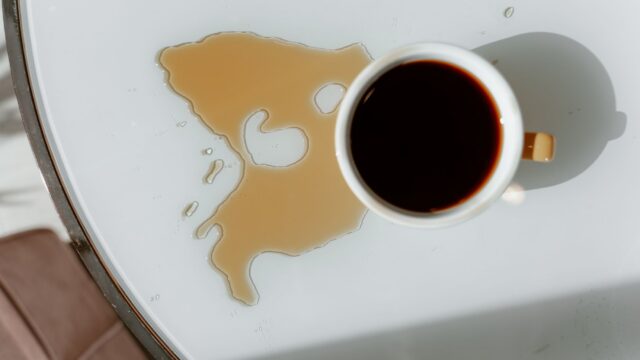
Black coffee is a tannin stain that rinses out easily when fresh. Add milk or cream and you have a protein and fat stain too, which changes the plan.
Grease is oil, so water alone won't move it. Absorb what you can, break it up with dish soap, and keep heat away until the stain is really gone.
The worst smell usually lives on the underside of the rubber splash guard, not deep in the grinder. Here's how to clean it without ever putting your hand in the unit.
Pine sap from a Christmas tree is sticky but not permanent. Use oil on hands, alcohol on fabric and patience on paint, and keep flammable products away from heat.
Blood is a protein stain, so heat is the enemy. Cold water, an enzyme detergent and a little patience remove most stains, fresh or dried.
The type of ink decides the method. Oil-based ballpoint ink dissolves in alcohol, water-based gel ink responds to detergent, and permanent marker may only fade.
Pet urine smells because of what's left deep in the carpet after the puddle is gone. An enzyme cleaner, enough of it and enough time are what break it down.
We use analytics cookies to see which articles are read. No ads cookies. Privacy policy