How to Prevent Mold in Winter: Condensation, Laundry and Cold Walls
Winter mold is mostly a moisture problem: warm, damp indoor air meets cold windows and walls. Control humidity and ventilation and most of it never starts.
Mold, mildew, condensation, dust and allergens: how to clean them safely, prevent them coming back and when to call a professional.
Winter mold is mostly a moisture problem: warm, damp indoor air meets cold windows and walls. Control humidity and ventilation and most of it never starts.
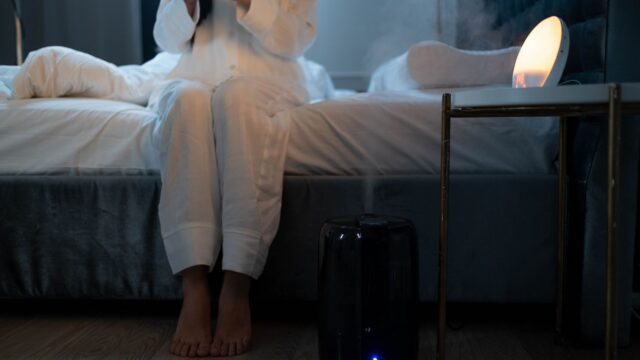
A dirty humidifier tank can grow mold and bacteria, and hard water leaves white dust everywhere. Here's the simple cleaning routine the EPA recommends.
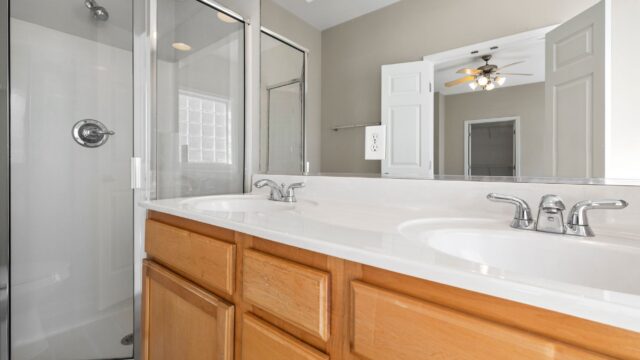
Bathroom ceiling mold is usually shower steam with nowhere to go. Clean it safely overhead, then fix the ventilation so you're not doing this every month.
You can't air-freshen away mold smell. Here's how to track down where it's coming from, fix it, and clear the leftover odor.
Mold on finished wood usually wipes off. On raw wood it can sink into the grain. Here's how to tell the difference and clean each safely.
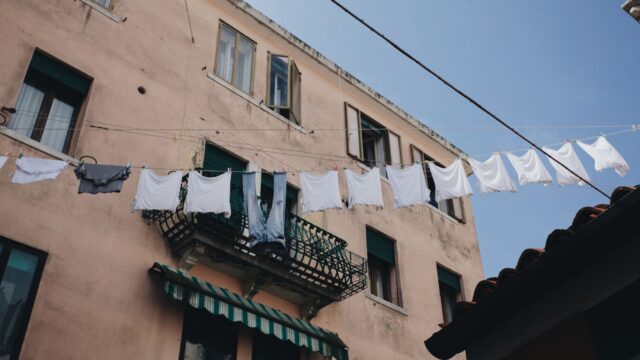
Musty spots on clothes usually wash out if you act quickly and follow the care label. Here's what to use on each fabric and how to store clothes so it doesn't happen again.
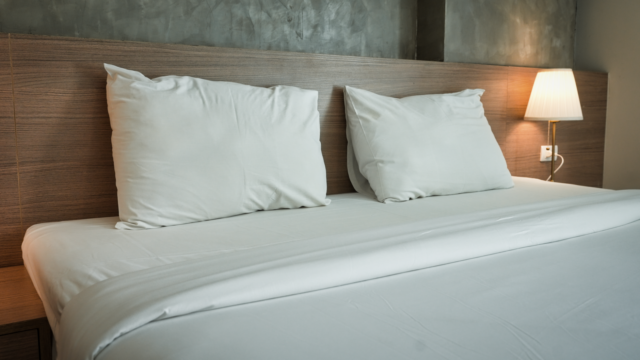
Dust mites live in almost every home, mostly in bedrooms. These allergy-group-backed steps reduce them far more than sprays or gadgets.
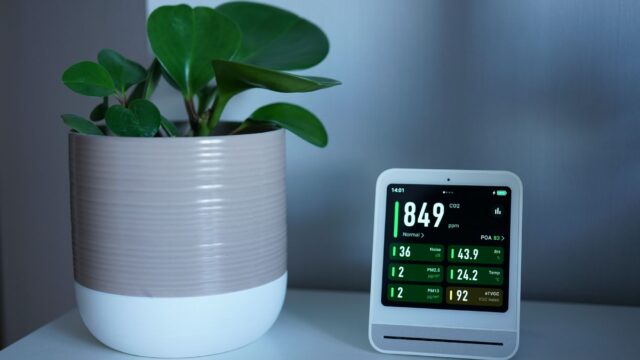
Dehumidifiers are great at keeping mold from starting, and useless at removing mold that's already there. Here's how to size one and where it pays off.
Air purifiers help some allergy sufferers more than others. Here's what a HEPA unit removes, what it misses, and how to avoid ozone-producing devices.
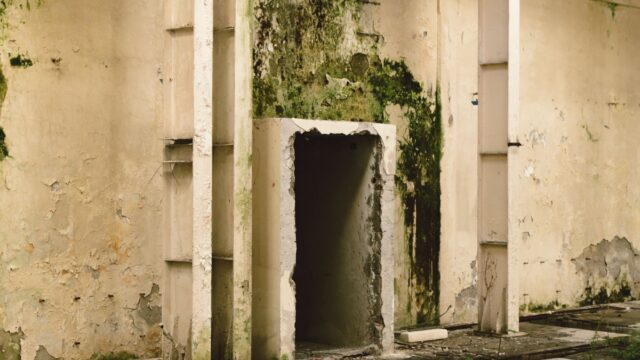
Small mold patches on painted walls and tile are a DIY job. Here's how to clean them safely, what to do about drywall, and how to stop the mold from coming back.
We use analytics cookies to see which articles are read. No ads cookies. Privacy policy