How to Prevent Mold in Winter: Condensation, Laundry and Cold Walls
Winter mold is mostly a moisture problem: warm, damp indoor air meets cold windows and walls. Control humidity and ventilation and most of it never starts.

To prevent mold in winter, keep indoor relative humidity below 60%, ideally between 30% and 50%, as the EPA recommends, and stop moisture from building up where warm indoor air meets cold surfaces. In practice that means running exhaust fans when you cook and shower, drying laundry with good ventilation, keeping furniture slightly away from exterior walls, and wiping condensation off windows each morning. Measure with an inexpensive hygrometer rather than guessing.
Mold needs moisture to grow. In winter, homes are closed up, people cook and shower and dry clothes indoors, and windows and outside walls are cold. Water vapor condenses on those cold surfaces, and that damp patch is where mold starts.
What you need
- A digital hygrometer (humidity monitor), or two for different rooms
- A microfiber cloth or squeegee for window condensation
- Working exhaust fans in the kitchen and bathroom
- Optionally, a dehumidifier for damp rooms or basements
Why winter brings mold
Warm air holds more moisture than cold air. When warm, humid indoor air touches a cold window pane, a north-facing wall or the inside of a closet on an exterior wall, it cools and drops its moisture as condensation. If that happens day after day, surfaces stay damp long enough for mold to grow.
The EPA’s advice for preventing condensation is to reduce indoor humidity, increase ventilation and air movement, insulate cold surfaces and raise the air temperature. Every tip below fits into one of those four.
Know your numbers
| Indoor relative humidity | What it usually means in winter |
|---|---|
| Under 30% | Dry air; static, dry skin; may need a humidifier used carefully |
| 30–50% | The EPA’s ideal range |
| 50–60% | Watch for window condensation on cold days; ventilate more |
| Over 60% | Above EPA’s upper limit; mold and dust mites are more likely |
In very cold weather you may see condensation even at moderate humidity, because the glass is so cold. If your windows stream with water, lower humidity and improve air movement before blaming the windows. Our guide to condensation on windows inside covers when it points to failed seals.
Room by room
Bathroom
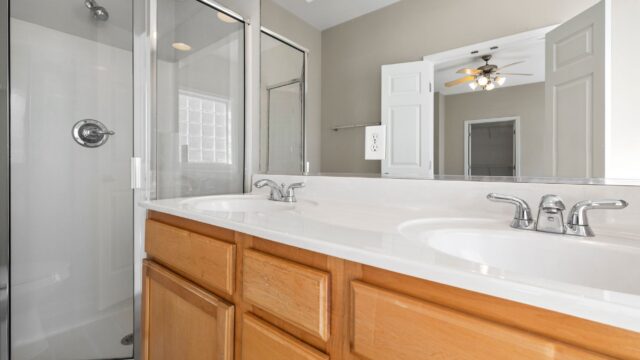
- Run the exhaust fan during every shower and for a while afterward until the mirror clears.
- Squeegee or wipe tiles and the shower door after use.
- Hang towels spread out so they dry, and wash them regularly.
- Check the fan actually pulls air: hold a single square of toilet paper to the grille while it runs. If it doesn’t stick, the fan needs cleaning or repair; see cleaning a bathroom exhaust fan.
Kitchen
- Use the range hood when boiling, simmering or frying, ideally one vented outdoors.
- Put lids on pots to cut steam.
- Wipe condensation off the window over the sink.
Laundry
- Vent your clothes dryer outdoors, as the EPA advises, and keep the vent clear.
- If you dry clothes on racks indoors, do it in a room with the door closed and a window cracked or a dehumidifier running, rather than in a bedroom or on radiators throughout the house.
- Don’t leave wet laundry sitting in the washer.
Bedrooms and closets
- Pull wardrobes, beds and sofas a few inches away from exterior walls so air can circulate behind them.
- Don’t overpack closets on outside walls; leave the door ajar sometimes.
- Store clothes clean and fully dry.
- Open curtains during the day so windows and sills warm and dry out.
Basement
- Check for leaks, wet spots and condensation on cold water pipes. Insulating cold pipes reduces sweating.
- A dehumidifier can help keep a damp basement in range; empty or drain it as the manual directs. See does a dehumidifier help with mold for sizing.
Daily and weekly habits
- Each morning, wipe condensation off windows and sills and wring out the cloth.
- Air out the house briefly each day if weather allows; a few minutes of cross-ventilation swaps humid air for drier outdoor air.
- Keep the heating fairly steady; very cold rooms are more prone to condensation.
- Check your hygrometer weekly in the dampest rooms.
- Use humidifiers carefully: if windows fog or ice up inside, turn the humidifier down or off and clean it per the manual.
If you already see mold
Fix the moisture problem first, or the mold comes back. The EPA says most people can clean up a small area, under about 10 square feet, themselves. On hard, non-porous surfaces, scrub with water and detergent and dry thoroughly. Wear gloves, consider an N-95 mask, ventilate, and never mix bleach with ammonia or acids such as vinegar. The EPA doesn’t recommend chlorine bleach as a routine mold cleanup method. For larger areas, mold in heating and cooling systems, or after flooding, call a professional. If you have health symptoms you think are related, see a doctor. The EPA’s Brief Guide to Mold, Moisture and Your Home covers cleanup in detail.
Bottom line
Winter mold prevention is humidity control. Aim for 30–50%, keep it below 60%, ventilate kitchens and bathrooms, dry laundry with care, give exterior walls breathing room, and wipe condensation daily.
FAQ
Is drying clothes indoors bad for mold?
It adds a lot of moisture to the air. If you need to, dry them in one well-ventilated room or with a dehumidifier running, and keep the door to the rest of the house closed.
Should I open windows in winter?
Short bursts of ventilation, especially after cooking and showering, help replace humid indoor air. You don’t need to leave windows open for hours.
Why does mold grow in my closet in winter?
Closets on exterior walls are colder and have little air movement, so condensation can form on the wall behind clothes. Move items away from the wall and improve airflow.
Does a dehumidifier waste energy in winter?
Many work less efficiently in cold rooms; check the manual for the minimum operating temperature. In heated rooms with high humidity, they can be a practical help.