How to Get Slime Out of Clothes, Carpet and Hair: Step-by-Step Fixes
Scrape off the excess, then soften slime with white vinegar or warm soapy water. See the steps for clothes, carpet and hair, plus how to handle dye stains.
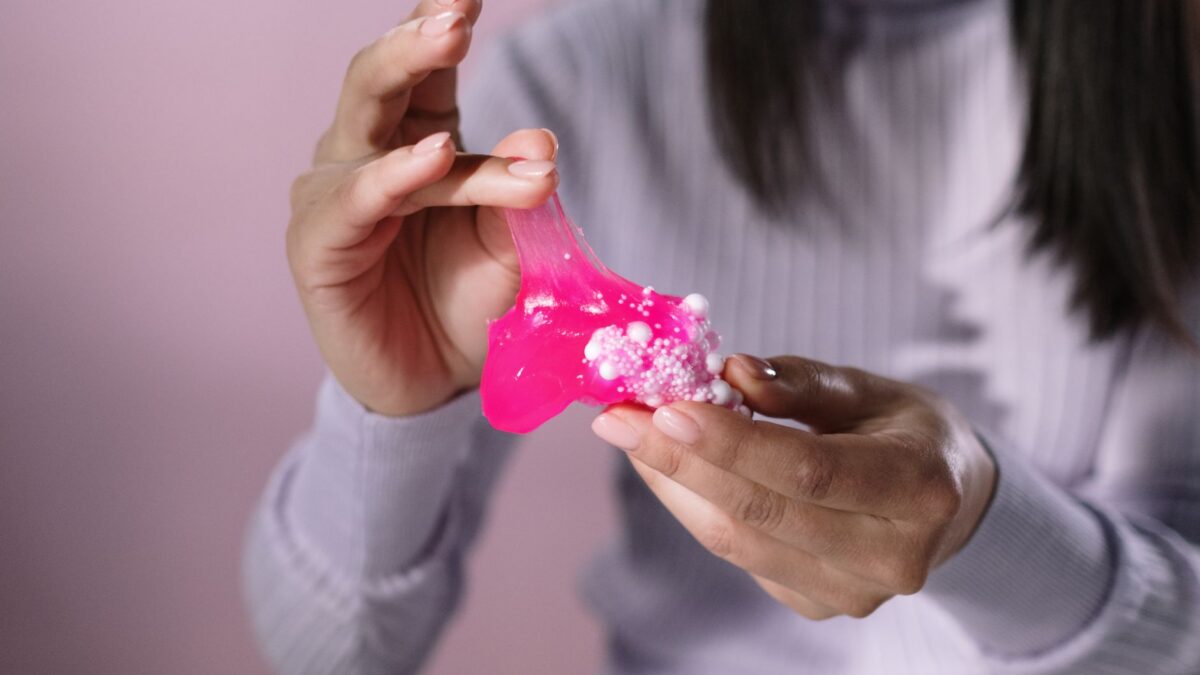
To get slime out of clothes, carpet or hair, first pull or scrape off as much as you can, then soften the rest with white vinegar (on fabric and carpet) or a conditioner or oil (on hair), and rinse with warm, soapy water. Most homemade and store-bought slime is made from glue and a borax-type activator, and mild acid and warmth loosen that rubbery bond so the leftovers rinse away. Colored or glitter slime may leave a dye mark that needs a separate stain treatment afterward.
Why is slime so hard to get out?
Slime clings because it is a stretchy gel that pushes itself into fibers and hair strands instead of sitting on top. Rubbing spreads it deeper, and the dyes, glitter and scents mixed into many slimes add a second stain once the gel is gone. Working in two stages helps:
- Remove the bulk: lift off the gel without grinding it in.
- Dissolve the residue: loosen what is left inside the fibers, then rinse and wash.
Act while the slime is fresh if you can, but dried slime usually comes out too; it just needs a longer soak.
How do you get slime out of clothes?
Scrape off the excess, soak the spot in white vinegar, scrub gently, then wash as usual. Step by step:
- Lift the bulk. Peel away loose slime by hand, then use a dull knife or spoon to scrape from the edges toward the center. If it is very soft, put the garment in a bag in the freezer or hold an ice cube on it for 10 to 20 minutes so it firms up and lifts in pieces, much like getting hardened candle wax out of fabric.
- Apply white vinegar. Pour plain white vinegar over the remaining slime so it is fully wet, or soak the stained area in a bowl of vinegar for 5 to 15 minutes. Test first on a hidden seam if the fabric is delicate or brightly dyed.
- Work it loose. Rub the fabric against itself or use a soft toothbrush. The slime should turn soft and start breaking apart. Add more vinegar and repeat if needed.
- Rinse and pretreat. Rinse with warm water, then rub a little liquid laundry detergent into the spot and leave it for 5 to 10 minutes.
- Wash. Launder on the warmest setting the care label allows.
- Check before drying. Air-dry the item if any slime or color remains. Dryer heat can set leftover glue and dye.
For garments labeled dry clean only, scrape off what you can and take the item to a cleaner, telling them it is slime.
How do you get slime out of carpet?
Scrape up the solid slime, saturate the spot with a vinegar and water mix, blot, then rinse with plain water. Carpet cannot be soaked like a shirt, so the goal is to dissolve the slime without overwetting the backing.
- Pick off as much slime as possible. Harden soft slime with an ice cube in a plastic bag, then chip it out with a spoon.
- Mix roughly equal parts white vinegar and warm water. Spray or dab it on until the slime residue is wet.
- Wait about 5 minutes, then gently work the area with a soft brush or your fingers, moving from the outside in.
- Blot with a clean white cloth. Repeat until no more slime transfers.
- Blot with a few drops of dish soap in warm water, then rinse by blotting with plain water so no sticky residue is left to attract dirt.
- Press with dry towels and let the carpet air-dry. Vacuum once dry to lift the pile.
Test vinegar on a hidden corner first, especially on wool or natural-fiber rugs, which can be sensitive to acids. The same scrape-then-blot routine works on upholstery and car seats; check the furniture’s cleaning code before using liquids.
How do you get slime out of hair?
Coat the slimy hair in conditioner or a cooking oil, work the slime loose with your fingers and a wide-tooth comb, then shampoo. Oil and conditioner make the strands slippery so the slime slides off instead of pulling.
- Pull out loose pieces gently without tugging at the scalp.
- Apply a generous amount of hair conditioner, or a light oil such as olive, coconut or vegetable oil, directly to the slime.
- Leave it for a few minutes, then slide the slime down and off the strands with your fingers.
- Comb through with a wide-tooth comb, starting at the ends and working up toward the roots.
- Rinse with warm water and shampoo, twice if the hair still feels greasy.
Some people rinse the hair with diluted white vinegar to loosen stubborn bits; keep it away from the eyes and rinse well afterward. Do not cut hair unless nothing else works. If oil drips onto clothing during the process, treat it promptly as a grease stain, the same way you would handle butter and gravy stains on clothes and carpet.
What if the slime left a color stain?
Treat a leftover color mark as a dye stain after all the gel is gone. On washable fabric, apply a liquid detergent or an enzyme stain remover, leave it for 10 to 15 minutes, and wash. For stubborn marks on colorfast or white items, soak in an oxygen bleach solution made according to the package directions, usually for one to several hours, then wash again. White fabric has a few more options, covered in this guide on removing stains from white clothes without damage.
On carpet, blot a small amount of rubbing alcohol on a white cloth onto the dye mark, testing first in a hidden spot, then rinse by blotting with water. Glitter can be picked off with sticky tape once the area is dry.
What mistakes make slime stains worse?
- Rubbing hard right away. It pushes the gel deeper into fibers or tangles it into hair.
- Using hot water on carpet. Excess water and heat can damage carpet backing and spread dye.
- Drying too soon. Dryer heat or a hair dryer can bake leftover slime and color into fabric.
- Mixing products. Never combine vinegar with bleach or with other cleaners; mixing bleach and acids releases harmful gas. Use one product at a time and rinse between them.
- Skipping the patch test. Vinegar and alcohol can affect some dyes, silks, wool and finishes.
Quick answers
Does vinegar really dissolve slime?
Yes, for most glue-based slimes. White vinegar is a mild acid that breaks down the rubbery bond, so the slime turns soft and soupy and can be rinsed or blotted away.
Can you get dried slime out of clothes?
Usually, yes. Scrape off the crusty layer, then soak the spot in white vinegar or warm water for 15 to 30 minutes until it softens before scrubbing and washing.
Is it safe to use rubbing alcohol on slime?
Rubbing alcohol is fine for small dye marks on colorfast fabric and carpet after a patch test. Keep it away from flames, ventilate the room, and do not use it on hair or skin around the face.
How do you get slime off a couch?
Use the carpet method: harden and scrape off the bulk, blot with diluted vinegar, then rinse by blotting with water. Check the cleaning code tag first, and for sticky residue similar to sap, see this guide on getting tree sap off fabric and carpet.