Water Damage After a Leak: First 24 Hours and Drying Out
After a leak, stop the water, stay safe around electricity and start drying within 24 to 48 hours. Steps and when to call a pro.
After a leak, stop the water at its source, make the area safe, and begin drying within 24 to 48 hours, because mold can start growing on wet materials in that window. Clean water from a supply line can often be handled at home if the wet area is small and everything dries fast. Sewage, floodwater, large areas, wet walls or ceilings, and anything wet for more than two days call for a restoration professional.
What should I do in the first hour?
Shut off the water first. Turn off the fixture’s shutoff valve, or the main valve if you cannot find the source. Then deal with electricity: if water is near outlets, cords, appliances or a wet ceiling with light fixtures, switch off power to that area at the breaker panel only if you can reach it without stepping in water. If you cannot, stay out and call your utility or an electrician.
Next, work out what kind of water you have:
- Clean water comes from a broken supply line, a leaking faucet or a washing machine hose. It is the easiest to handle.
- Gray water comes from a dishwasher or washing machine drain. It carries some contamination.
- Black water includes sewage and floodwater. Keep children and pets away, avoid contact, and call a professional.
Clean water left sitting can degrade into a more contaminated category, so speed matters.
What should I document before I clean up?
Take photos and video of the source of the leak, standing water, damaged walls, floors and belongings before you move anything. Write down the time you found the leak. Call your insurance company early, because many policies set rules about reporting and about protecting the property from further loss. Keep receipts for fans, rentals and emergency repairs. The article on how water damage restoration and insurance claims work explains what happens after the first call.
How do I remove water and start drying?
Remove standing water first, using a wet/dry shop vacuum rated for liquids, mops and towels. Do not use a regular household vacuum on water. Then work through this order:
- Move furniture, rugs and boxes out of the wet area. Lift upholstered furniture onto blocks or foil so it does not wick moisture.
- Pull up wet area rugs and, where possible, lift the edges of wall-to-wall carpet so air can reach the pad.
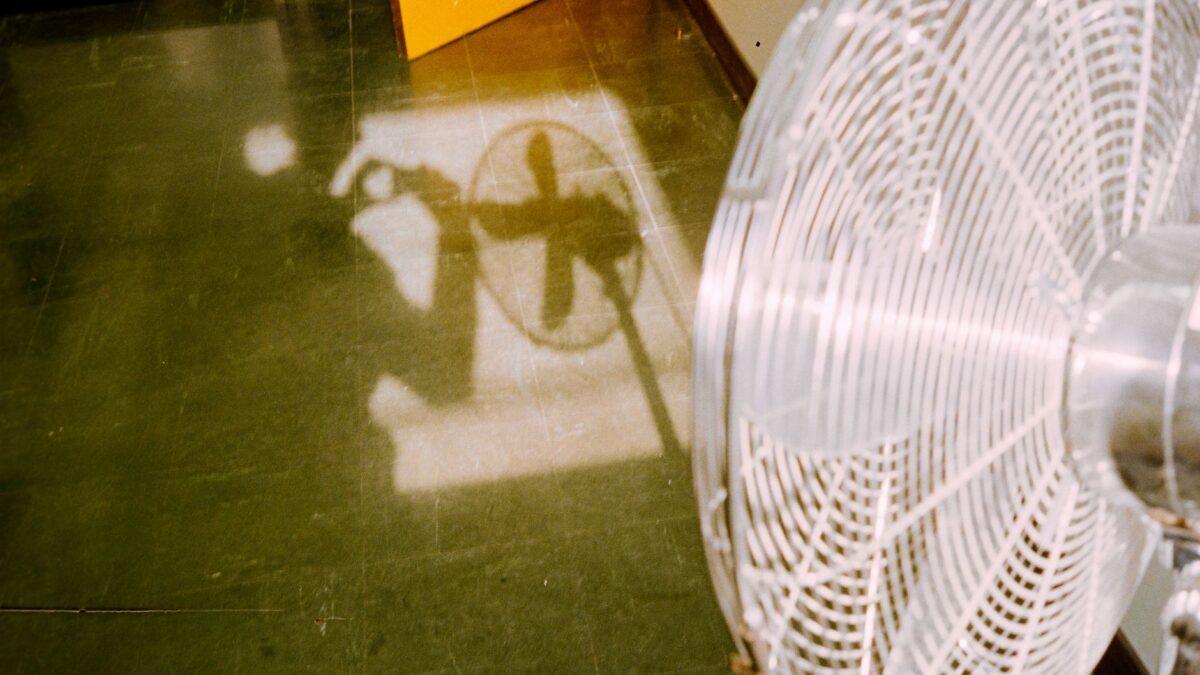
- Run box fans or air movers across the wet surfaces, and open windows if the outside air is drier than the indoor air.
- Run a dehumidifier in the room with the doors and windows closed, which is the better choice when the air outside is humid.
- Keep the equipment running until the materials are dry, not just until they feel dry.
Moisture can sit inside walls and under flooring long after the surface looks fine. A moisture meter, sold at hardware stores and rented by restoration firms, shows whether drywall and wood are back to normal levels. Compare readings with a dry part of the same room.
What can be saved and what should be thrown out?
Solid wood and tile usually dry out and stay. Wet drywall and insulation that stayed soaked for a day or two often have to be cut out, because they hold moisture and are hard to dry fully. Carpet padding that has been soaked is typically discarded, though carpet itself that got wet from clean water may be dried in place. Anything that touched sewage or floodwater is generally thrown out if it is porous, including carpet, mattresses, books and upholstered furniture.
If a leak came through a ceiling, see what to do right now when water leaks from the ceiling, including why a bulging ceiling should be handled with care.
When should I call a restoration pro?
Call a professional if any of these apply:
- The water is sewage, floodwater or otherwise contaminated.
- The wet area is large, or water has soaked into walls, ceilings or under flooring.
- The materials have been wet for more than 24 to 48 hours.
- You see or smell mold, especially across an area larger than about 10 square feet (about 1 square meter), the size at which the EPA’s mold guidance recommends considering professional help.
- The home is older and the damaged material could contain asbestos or lead paint.
- Electrical equipment, a furnace or a water heater was in contact with water.
The U.S. Environmental Protection Agency explains moisture control and cleanup on its mold resource page. Signs of lingering damage are covered in the guide to water damage on a ceiling. If you are unsure how much mold you have to deal with, the mold cleanup calculator can help you estimate the scale of the job.
Quick answers
How long does it take for mold to grow after a leak?
Mold can begin growing within 24 to 48 hours on materials that stay wet. That is why guidance from the EPA centers on drying everything within that period.
How long does it take to dry out a house after a leak?
Small clean-water leaks can dry in a few days with fans and a dehumidifier. Larger losses, wet walls or flooring can take longer, and professionals confirm dryness with moisture readings rather than by touch.
Can I use bleach to clean up water damage?
Use only the cleaner and the amount the product label directs, wear gloves and ventilate. Never mix bleach with ammonia, vinegar or any other cleaner, as the fumes are dangerous. In the US, call Poison Control at 1-800-222-1222 after an exposure.