Washing a Car With Dawn Dish Soap: What It Does to Wax and Paint
Dawn dish soap can wash a car once, but it strips wax and sealant. See what it does to paint, when it makes sense and what to use for regular washes.
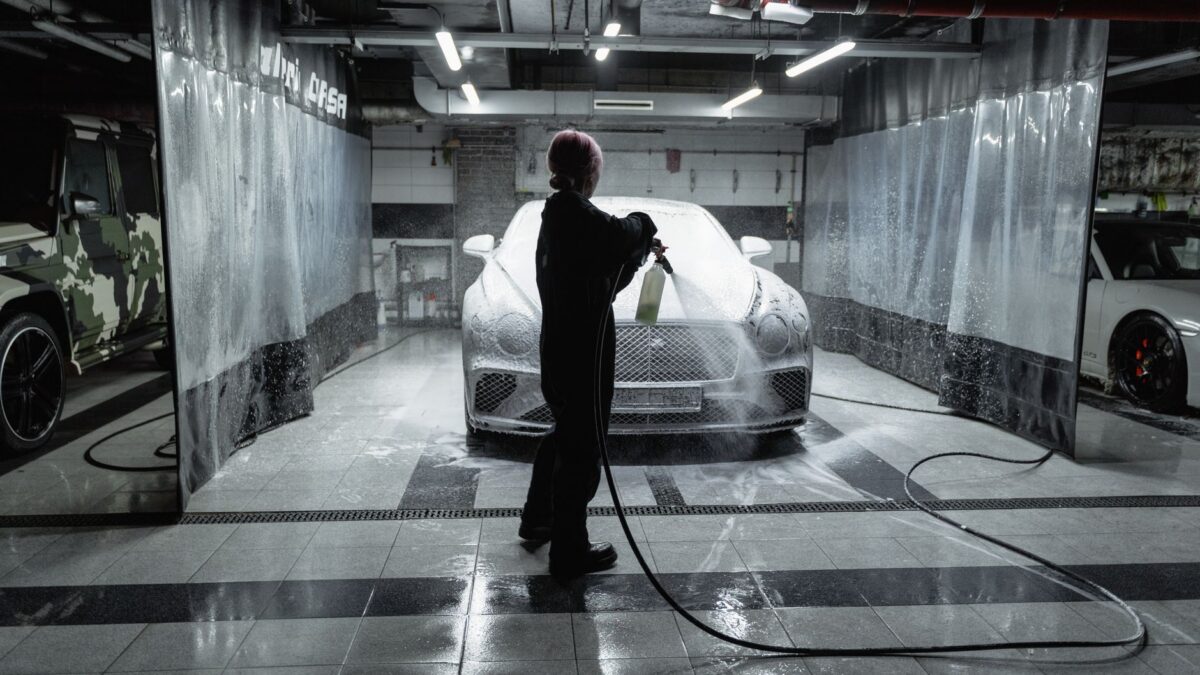
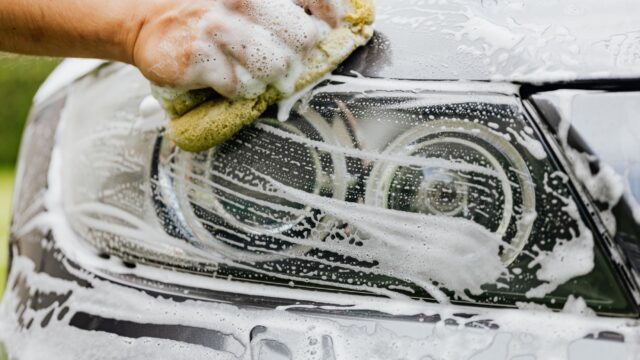
Yes, you can wash a car with Dawn or another dish soap, and a single wash will not ruin modern clear-coat paint. Dish soap is built to cut grease, so it also strips wax and sealant off the paint, which leaves the surface unprotected. For regular washing, a soap made for cars is the better choice.
The rest of this page covers what dish soap does on a car, when it is the right tool, how to use it without making things worse and what to switch to afterward.
Does dish soap damage car paint?
Dish soap does not eat through a healthy clear coat, the transparent top layer on modern car paint. A single wash with a diluted mix rinses off and leaves the clear coat intact. The trouble is cumulative. Dish soap is made to dissolve baked-on cooking grease, and car wax and sealants are oils and polymers that it treats the same way. Repeated washes thin the protective layer, and the clear coat then takes the full load of sun, rain, bird droppings, bugs and road grime.
Paint that is already worn, faded or chipped is more exposed, and so are unpainted plastic trim and rubber seals, which can look dry and chalky after repeated strong detergent washes.
What happens to wax and sealant?
Wax and sealant wear off over time even with gentle soap, and dish soap speeds that up. After a wash with Dawn, water usually stops beading into tight droplets and spreads out in sheets, which is a sign the protective layer is thin or gone. Ceramic coatings are more resistant to detergents than wax, but a strong degreaser still shortens the life of the slick, water-repelling surface they provide, so check the coating maker’s care instructions.
If the car was waxed recently and you plan to keep that finish, skip the dish soap. For a refresher on how long each type of protection lasts and when to reapply, see the guide on wax, sealant and ceramic spray.
When is dish soap actually useful on a car?
Dish soap makes sense when you want the old wax gone. A few situations call for it:
- You are about to polish the paint and apply fresh wax or sealant, and the surface needs to be bare so the new product bonds.
- The paint is covered in oily or greasy film, such as road tar residue or heavy grime from a garage.
- The car is dirty enough that a regular car soap leaves it streaky, and you plan to wax afterward anyway.
In each case, rewax once the car is dry. Washing with dish soap and then leaving the paint bare is the mistake that does the damage.
How do you wash a car with dish soap safely?
Treat it as a stripping wash and follow the usual careful steps.
- Park in shade and let the panels cool. Soap that dries on hot paint leaves spots.
- Rinse the whole car with a hose to knock off loose dirt and grit before anything touches the paint.
- Mix a small squirt of dish soap into a bucket of water. A little goes a long way, and extra soap only makes rinsing harder.
- Wash with a clean microfiber mitt, one section at a time, from the roof down. Rinse the mitt often in plain water so grit does not get dragged across the paint. The two-bucket method in this home car wash guide keeps the dirty water separate.
- Rinse each section thoroughly, then rinse the whole car again. Dish soap residue left in seams and trim can leave dull streaks.
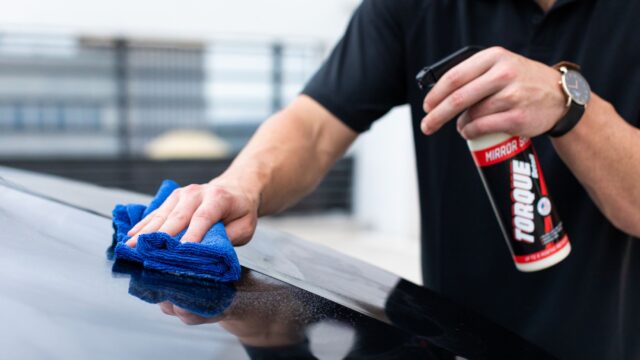
- Dry with clean microfiber towels so minerals in the water do not leave spots.
- Apply wax or sealant when the paint is fully dry.
Do not mix dish soap with other cleaners, degreasers or wheel cleaners in the same bucket. Follow the label on every product, and keep chemicals away from children and pets.
What should you use instead of Dawn?
A car wash soap is made to loosen dirt while leaving wax and sealant in place. It is designed to lather and lubricate, so the mitt glides across the paint instead of dragging grit over it. Most are labeled pH balanced or wax safe, which means they are meant for routine washing. Follow the dilution on the bottle, since using too much does not clean better.
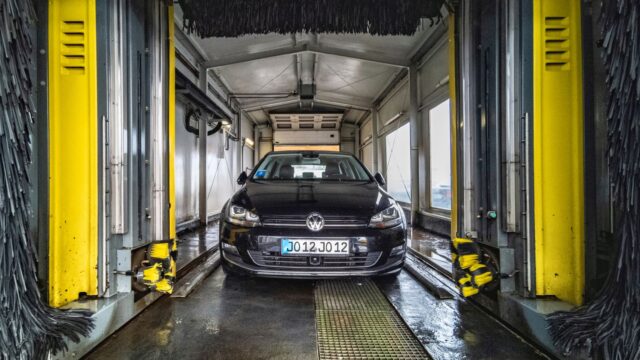
Plain water and a car soap on a regular schedule keep dirt from building up, so the paint does not need a harsh wash. If you would rather not do it yourself, the pros and cons of brush, touchless and hand washing are laid out in this comparison of automatic and hand car washes.
Is Dawn safe on other parts of the car?
Dish soap is fine on wheels, tires and rubber mats, where there is no wax to lose, though it can dry out rubber seals and trim if left on. It is better kept off matte paint and wraps, which have their own care rules from the manufacturer or installer. On glass it can leave a hazy film that is hard to wipe off, so rinse well or use glass cleaner instead.
Quick answers
Can I use Dawn to remove wax before a polish?
Yes. A wash with dish soap strips most wax, which gives the bare surface a polish or fresh protection needs. Dry the car fully and reapply protection the same day.
Will one wash with dish soap strip a ceramic coating?
One wash is unlikely to remove a coating, but repeated use can wear down its water-beading surface. Follow the instructions from the coating’s maker.
Is hand dish soap or dishwasher detergent better for a car?
Neither is. Dishwasher detergent is stronger than hand dish soap and should never go on a car. Use a car wash soap for routine washing.
How can I tell the wax is gone?
Spray water on the paint. If it spreads out in sheets instead of forming round beads, the protective layer has thinned and the car is ready for fresh wax or sealant.