How to Get Ink Out of Clothes After the Dryer: Set-In Stain Fixes
Dried, heat-set ink often lifts with rubbing alcohol, blotting from the back and a cool rewash. See which solvent fits each ink type and fabric.
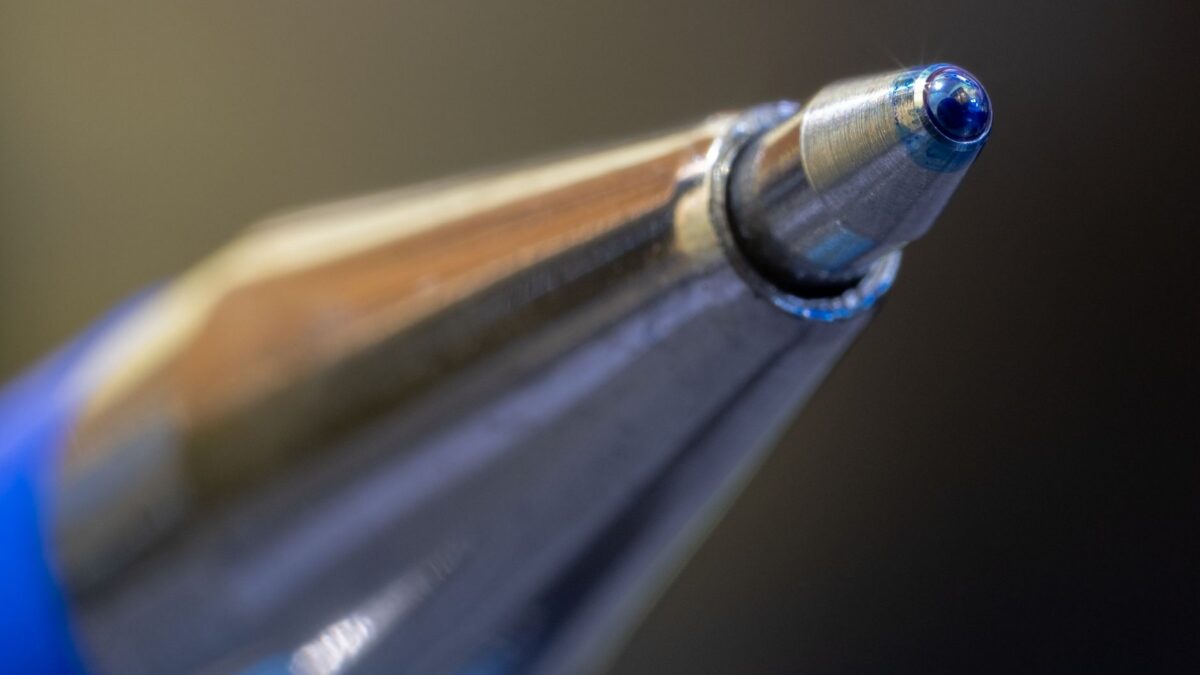
Ink that has been through a hot dryer can often still be removed from washable clothes with isopropyl (rubbing) alcohol, blotted through the fabric from the back onto an absorbent pad, followed by a liquid-detergent pretreat and a cool wash. Ballpoint ink responds best to alcohol, water-based gel and felt-tip ink to detergent and cool water, and permanent marker may need several rounds or may only fade. Heat bonds ink to fibers, so expect to repeat the treatment two or three times and keep the garment out of the dryer until the mark is gone.
Why does the dryer make ink stains harder to remove?
Dryer heat dries the ink completely and drives its dyes and binders deeper into the fibers, where they bond more firmly than they would at room temperature. Fresh ink sits partly on the surface and partly in the fabric. After a heated cycle, most of it is locked in, and polyester and other synthetics can hold oil-based ink especially tightly.
A set stain is still worth working on. The ink has not changed chemically into something permanent; it has only become harder to dissolve, so the job takes more solvent, more patience and more rinsing.
What kind of ink is it, and what dissolves it?
The ink type decides which product to reach for first.
- Ballpoint pen ink is oil-based. Isopropyl alcohol (70% or 90%) dissolves it well, and alcohol-based hand sanitizer works in a pinch.
- Gel pen and rollerball ink is mostly water-based with pigment. Liquid laundry detergent worked in with cool water is the first step, then alcohol if a shadow remains.
- Felt-tip and washable marker ink is water-based and usually responds to detergent and cool water.
- Permanent marker ink uses alcohol-based solvents and resins. Rubbing alcohol is the usual starting point; some stains only lighten.
- Printer and fountain pen ink is generally water-based dye. Detergent and cool water come first, then an oxygen bleach soak on colorfast fabric.
If the ink type is unknown, start with alcohol on a hidden seam to check the dye in the fabric, then treat the stain.
How do you remove dried ink with rubbing alcohol, step by step?
Rubbing alcohol is the most widely recommended household solvent for set-in ballpoint and marker ink on washable cotton, polyester and blends.
- Read the care label. If it says dry clean only, or the fabric is silk, wool, acetate or triacetate, stop and take it to a dry cleaner (alcohol can damage acetate).
- Test the alcohol on an inside seam. Dab it on, wait a minute, and press a white cloth on the spot. If dye transfers, do not continue on that garment.
- Lay the stained area face down on a folded white paper towel or old white cloth. Working from the back pushes ink out the way it came in instead of through the whole fabric.
- Dab alcohol onto the back of the stain with a cotton ball or clean cloth. Do not rub hard; rubbing spreads ink and roughens fibers.
- Move the pad under the stain to a clean spot as soon as it picks up color, and keep dabbing until no more ink transfers.
- Rinse the area under cool running water.
- Rub a little liquid laundry detergent into both sides of the spot and let it sit for 10 to 15 minutes.
- Wash in the warmest water the care label allows, then let the garment air-dry. Check it in daylight before it goes near a dryer.
Rubbing alcohol is flammable. Use it in a ventilated room, away from flames, stoves and lit candles, and let alcohol-soaked paper towels dry outside before throwing them away.
What should you try if alcohol does not work?
A second and third round of alcohol often removes more ink than the first, because each pass dissolves another layer. Let the fabric dry between attempts so you can see real progress.
After that, try these one at a time, rinsing well in between and never combining products:
- An enzyme or solvent-based laundry stain remover, left on for the time the label gives.
- An oxygen bleach (sodium percarbonate) soak for colorfast whites and colors, mixed and timed exactly as the package directs, often several hours to overnight.
- Chlorine bleach for white cotton and polyester only, diluted as the bottle instructs, and only after all alcohol and other products have been rinsed out completely.
Hairspray was a common ink remedy when most formulas were high in alcohol. Many current hairsprays contain less alcohol and more resin, which can leave a sticky ring, so plain rubbing alcohol is the better choice. For general advice on brightening without damage, see the guide to getting stains out of white clothes.
How do you handle delicate fabrics and ink on a whole load?
Silk, wool, leather, suede, acetate and anything labeled dry clean only should go to a professional dry cleaner. Tell the cleaner it is ink and that it has been through a dryer, so they can choose the right spotting solvent.
When a pen leaks through a full load, check every item before drying again. Treat the worst pieces first and wash the lightly spotted ones on their own. Wipe the dryer drum with a cloth dampened with rubbing alcohol (dryer off, unplugged, door open), then run a cycle with old towels to pick up any remaining ink before you dry clothes in it again. Similar drum cleanup applies after candle wax ends up on clothes.
What mistakes make a set-in ink stain worse?
- Drying the garment again before the stain is fully gone, which sets whatever ink remains.
- Scrubbing with a brush, which spreads ink into a wider halo and can pill the fabric.
- Mixing products, such as chlorine bleach with ammonia, vinegar or other cleaners. These mixtures can release toxic gases.
- Using acetone or nail polish remover on acetate, triacetate or modacrylic, which it can dissolve.
- Ironing over the spot to check whether it is gone.
Keep rubbing alcohol, bleach and stain removers out of reach of children and pets. If someone swallows a product or gets it in their eyes, call Poison Control at 1-800-222-1222 in the US (details from HRSA Poison Help) or call emergency services.
Quick answers
Can dried ink come out after several washes?
Often it can, at least partly. The same alcohol-and-detergent method applies, though old, repeatedly dried stains may need more rounds and may leave a faint shadow on light colors.
Does milk or vinegar remove ink?
Soaking in milk is an old home remedy with mixed results, and milk itself needs a thorough wash afterward. Vinegar does little on oil-based ballpoint ink. Rubbing alcohol is the more reliable first choice.
Is hand sanitizer safe to use on ink?
Alcohol-based gel sanitizer works on ballpoint ink the same way rubbing alcohol does, though gels with added moisturizers can leave residue. Rinse and wash the spot afterward, and test on a seam first.
What about other set-in food stains on the same shirt?
Grease and fruit stains need different treatments. Oily spots respond to dish soap, as covered in removing gravy and butter stains, while tannin stains like coffee usually need a cool soak and detergent first.