How to Get Tar Out of Clothes and Shoes: Step-by-Step Fixes
To get tar out of clothes and shoes, soften it, lift the bulk, dissolve the residue with a solvent, then wash. Steps, fabric limits and when to stop.
Tar comes out of clothes and shoes in four moves: harden or scrape off the bulk, dissolve what is left with a solvent that suits the fabric, wash with detergent, and check the spot before the dryer. Heat sets tar, so a stain that is still there after washing should never go into a dryer. Most road tar and asphalt marks on cotton, denim and rubber soles respond to this routine, while silk, wool and leather need gentler handling or a professional.
Tar is a sticky mix of heavy oils, which is why water alone does nothing. The stain has to be loosened with something oily or solvent-based and then washed out with detergent.
What should you do first when you get tar on clothes?
Do not rub it. Rubbing spreads the tar and pushes it deeper into the weave. Let it cool and harden instead, since soft tar smears and hard tar flakes. Placing the garment in a freezer bag in the freezer for an hour or two is a common way to harden it. Then lift off the raised bulk with the dull edge of a spoon or a butter knife, working from the outside of the stain toward the center.
How do you dissolve the leftover tar?
Put the stained area face down on a stack of clean paper towels or a white cloth. Dab the back of the fabric with a solvent so the tar is pushed out into the pad rather than through the garment. Common household choices, roughly from mild to strong:
- Cooking oil, petroleum jelly or a citrus-based adhesive remover for delicate or colored fabric.
- Dish soap worked in with your fingers after the oil has loosened the tar.
- Rubbing alcohol on sturdy cotton, polyester and denim.
- A product sold as a tar remover or paint thinner only on rugged fabrics, as a last resort.
Test any solvent on a hidden seam first and wait a few minutes to see whether the color moves. Use one product at a time, never mix them, work in a ventilated room, keep flames away from solvents and follow the label. Change the pad underneath as soon as it picks up tar.
How do you wash the garment afterward?
Rinse the area under warm running water, rub in liquid laundry detergent or dish soap, and let it sit for 15 to 30 minutes. Wash the garment on the hottest cycle its care label allows, alone, so loosened tar does not transfer to other clothes. Check the spot while it is still wet. If a gray or brown shadow remains, repeat the solvent step and wash again. Air-dry until the mark is gone. Similar stain-by-stain steps for other mess are in the guide on getting mud out of clothes and white shoes.
How do you get tar off shoes?
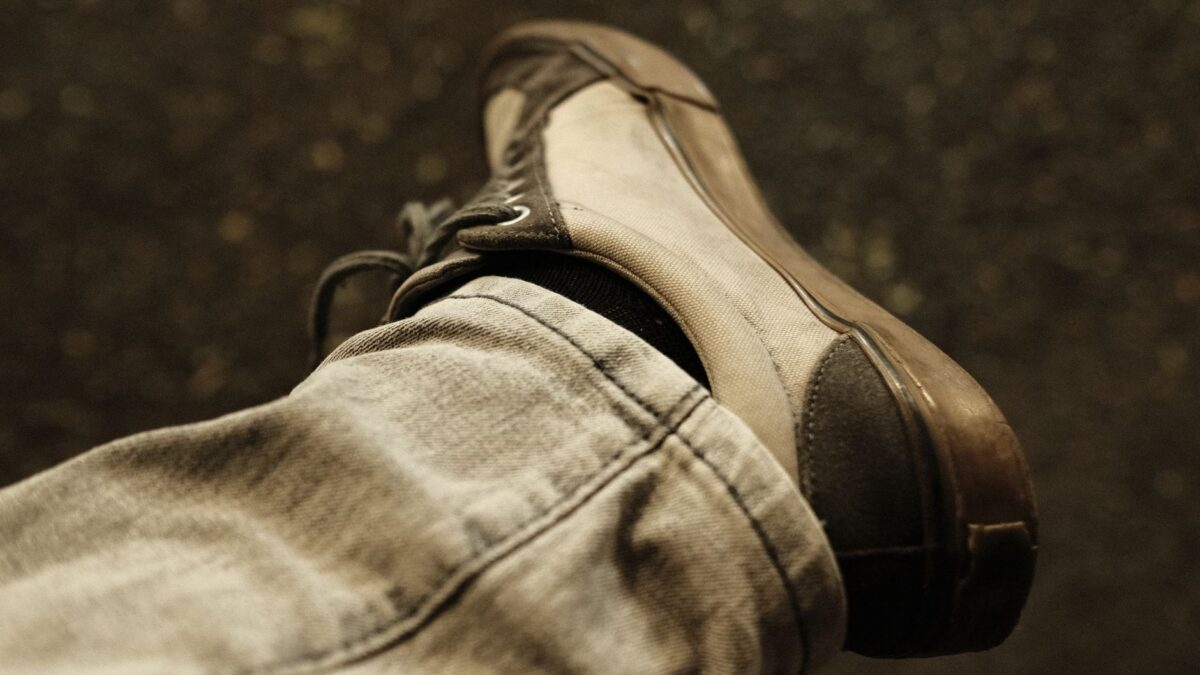
Tar sticks to soles and the lower sides of sneakers, which is where it is easiest to treat. Harden it by cooling, scrape off the lumps, then rub the rest with a cloth dampened with cooking oil or a citrus-based remover. Wipe off the loosened tar and scrub with warm water and dish soap, using an old toothbrush for the grooves in the sole. On rubber and most synthetic soles this works well. On suede, nubuck, leather uppers and glued seams, use only a small amount of oil, avoid strong solvents that can strip color or soften adhesive, and ask a shoe repair shop if the tar has soaked in. Canvas shoes can take the same dish-soap scrub as clothing, and the steps for white canvas are covered in the article on grass stains on jeans, sports clothes and white shoes.
When is it better to stop and take it to a professional?
Take the item to a dry cleaner if it is silk, wool, a dry-clean-only label, a large stain on a coat or suit, or a tar stain that is old and dried. Tell them it is tar and what you have already used on it. Strong solvents can damage fibers and finishes, so a stain left untouched is better than one treated with the wrong product.
Quick answers
Does peanut butter or WD-40 remove tar?
Both are oily and are often suggested because oil softens tar. They leave their own grease stain, so follow with dish soap and a hot wash, and test on a hidden spot first.
Can you use a hair dryer to soften tar?
Heat melts tar and spreads it into the fabric, which makes the stain larger. Cooling and scraping is the safer way to start.
What if the tar stain is already dry?
Scrape off what you can, then soak the spot in cooking oil or a citrus-based remover for several minutes before the solvent and wash steps. Old stains may need two rounds. For other tough marks, such as sunscreen, see the guide to sunscreen stains on clothes and swimsuits.