Mold Removal Cost: DIY vs Professional Remediation and When to Hire
Mold under about 10 square feet is usually a cheap DIY job; larger or hidden growth needs paid remediation. What drives the cost and when a pro is required.
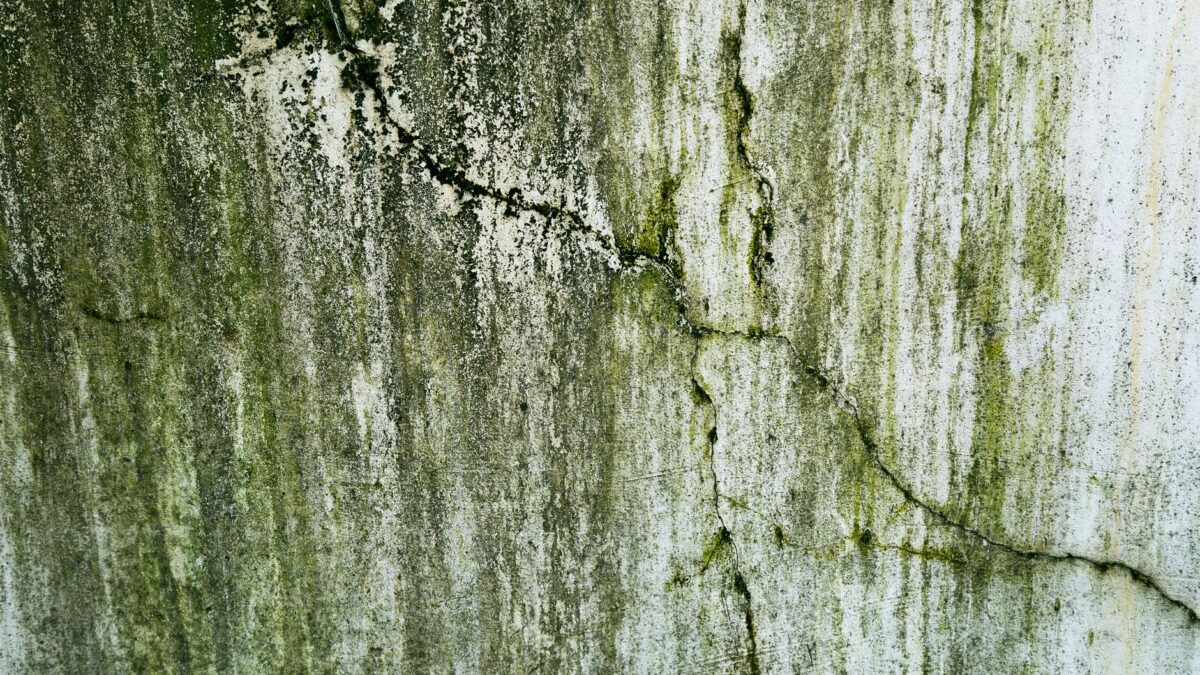
Mold removal costs little more than cleaning supplies and protective gear when the patch is smaller than about 10 square feet (roughly 3 feet by 3 feet) on a hard surface, which the U.S. Environmental Protection Agency says most homeowners can clean themselves. Professional mold remediation is quoted per job or per square foot and runs from a few hundred dollars for one small area to several thousand dollars when mold covers a basement, attic, crawl space or the inside of walls. The size of the area, how hidden it is and what has to be torn out decide the price.
What decides the price of professional mold remediation?
The area affected is the biggest factor, followed by how much material has to be removed and replaced. A remediation contractor usually prices these parts of the job:
- Size of the contaminated area and how many rooms it spans.
- Access: crawl spaces, attics and wall cavities take more labor than an open bathroom ceiling.
- Containment with plastic sheeting and negative air pressure so spores do not spread to clean rooms.
- Removal of porous materials such as drywall, insulation and carpet, which cannot be cleaned once mold grows into them.
- HVAC ductwork, which needs specialized cleaning if mold has spread into the system.
- Repairs and rebuilding after removal, which some contractors price separately.
- Testing before or after the work, often done by a separate inspector.
Prices vary widely by region, so get two or three written quotes that list the same scope of work. A rough estimate of the area and supplies helps before you call: the mold cleanup calculator sizes the job and lists what a DIY cleanup needs.
When can you remove mold yourself?
You can handle mold yourself when the patch is under about 10 square feet, sits on a hard, nonporous surface such as tile, glass, sealed wood or metal, and the cause is a known, fixed problem like shower condensation. The EPA’s mold guidance uses the 10-square-foot line as its general cutoff for do-it-yourself cleanup.
A typical DIY cleanup follows these steps:
- Fix the moisture source first, or the mold returns.
- Wear an N95 respirator, gloves and goggles without vents.
- Scrub hard surfaces with detergent and water, then dry them completely within 24 to 48 hours.
- Bag and throw away moldy porous items such as ceiling tiles or carpet padding.
- Ventilate the room while you work and afterward.
If you choose a disinfectant, use one product at a time and follow its label. Never mix bleach with ammonia, vinegar or other cleaners, because the combination releases toxic gas. Bleach is not needed on most hard surfaces, and it does not reach mold roots in porous materials.
When do you need a professional?
Call a remediation company when any of the following is true:
- The mold covers more than about 10 square feet.
- It grew after sewage backup or flooding with contaminated water.
- You smell mold but cannot see it, which suggests growth inside walls, under floors or in ductwork.
- It is in the HVAC system. The EPA advises against running a system you suspect is contaminated.
- Someone in the home has asthma, allergies or a weakened immune system and should not be exposed during cleanup.
- The mold keeps coming back after cleaning, a sign of an unresolved moisture problem.
For hidden mold, an independent inspection first can save money because it shows where the problem is and how large it is. Our guide to when a mold inspection is worth paying for explains what testing can and cannot tell you.
How do you choose a remediation contractor?
Ask for a written scope of work that names the areas, containment method, materials to be removed and how the work area will be cleaned and checked afterward. Ask about licensing: some states license mold remediation contractors, and others do not regulate the trade. Check that the company carries liability insurance.
Be cautious when the same company tests for mold and then sells the remediation, since the person reporting the problem also profits from fixing it. Many homeowners hire an independent inspector for testing and a separate contractor for the removal.
Does homeowners insurance pay for mold removal?
Homeowners insurance often covers mold that results from a sudden, covered event such as a burst pipe, and often excludes mold from long-term leaks, humidity or poor maintenance. Policies differ, many have mold limits, and flood damage usually needs separate flood insurance. Read the mold section of your policy and photograph the damage before cleanup starts if you plan to file a claim.
How do you keep mold from coming back?
Mold returns wherever moisture stays. Keep indoor relative humidity below 60%, ideally between 30% and 50%, repair leaks promptly, run bathroom and kitchen exhaust fans, and dry wet materials within 24 to 48 hours. A dehumidifier helps in damp basements, though it cannot remove growth that is already there; this article on what a dehumidifier can and can’t do for mold covers sizing and limits.
Quick answers
Is black mold more expensive to remove?
The color of mold does not set the price. Contractors use the same removal methods for all common household molds, so cost depends on area, location and materials, not species.
Can you paint over mold?
No. Paint hides mold without killing it, and it keeps growing underneath. Clean or remove the moldy material and fix the moisture before painting.
Do you need mold testing before removal?
Not for visible mold. The EPA says sampling is usually unnecessary when you can see the growth. Testing helps when you suspect hidden mold or need proof the cleanup worked.