35-Year Study Links Acorn Crops to Tick Surges Two Years Later
A 35-year Cary Institute study finds mice and acorn crops predict nymphal tick numbers better than deer do. See what the Lyme disease findings show.
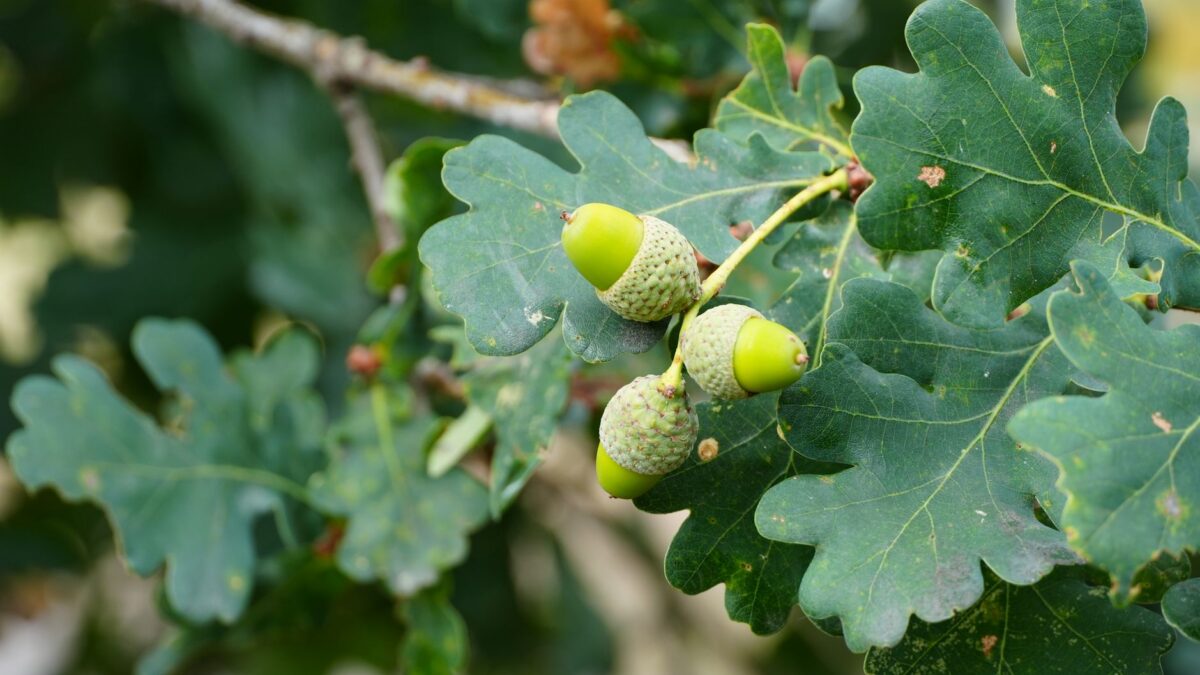
A heavy acorn crop can predict a rise in young, disease-carrying ticks two years later, according to a long-running study at the Cary Institute of Ecosystem Studies in Millbrook, New York. The same research found no statistically significant link between deer numbers and nymphal tick abundance at the site, challenging an assumption held since Lyme disease was first recognized in the 1980s.
The findings appear in a paper in Proceedings of the National Academy of Sciences that collects nine surprising results from more than 35 years of monitoring. Nymphs are immature ticks that cause much of the Lyme disease transmission to people.
Mice, not deer, track tick numbers
Researchers once expected more deer to mean more ticks, since deer provide blood meals for adult female ticks. On the institute’s 2,000-acre forested property in Dutchess County, the full data set showed no such connection. “We had detected a weak positive relationship between deer and subsequent nymph abundance over short subsets of the data,” said lead author Richard Ostfeld, “but the whole data set in its entirety shows no such thing.”
Mouse numbers tracked tick numbers much more closely. Years with especially large mouse populations were followed by approximately 40% more nymphal ticks the next year. White-footed mice are good blood meals for tick larvae and are highly effective at passing the Lyme bacterium, Borrelia burgdorferi, to feeding ticks. Ticks infected as larvae keep the bacteria as they grow into nymphs.
How acorns fit in
Oak trees periodically produce very large acorn crops in synchronized events called masting. The extra food lets mouse populations expand the following year, and the added mice support more young ticks. The researchers found that a heavy acorn crop can reliably predict an increase in nymphal ticks two years later.
More ticks do not always mean more infected ticks
Mouse abundance did not consistently predict what share of nymphs carry the bacteria. Early data suggested both would rise together, but the pattern faded as more years were recorded. Ostfeld said of the discrepancy: “It kept me up at night.”
The explanation appears to involve other forest animals. Skunks, squirrels and opossums also feed ticks but are mostly much less effective at passing on the bacterium. When they are abundant, more larvae feed on hosts unlikely to infect them, which can lower the share of infected nymphs even when mice are plentiful.
Ticks survive temperature extremes
Laboratory work had suggested intense heat or severe cold could kill blacklegged ticks. In natural habitats, ticks survived these conditions. Researchers believe they retreat into deeper soil or beneath fallen leaves, where conditions are milder than at the surface.
Warmer years tend to be followed by fewer nymphal ticks than usual. Warmer conditions also generally favor mice, which can lead to more ticks. These opposing effects make the net result of climate change hard to predict.
Why it matters
Lyme disease is the most frequently reported tick-borne illness in the United States, with nearly 500,000 Americans diagnosed each year, according to the Cary Institute. Antibiotics can treat it. Untreated infection may affect the joints, heart and nervous system, and some patients have symptoms that persist.
The authors say tracking mice, and potentially acorn crops, could give an early warning of high tick years, and that public health officials may be better able to anticipate periods of greater exposure. The results come from one site in New York, and the paper compares mouse and deer data at that location only.
What remains unanswered
Ostfeld said a warming climate has not yet made life better for ticks even though it benefits mice. He said researchers need to know what to expect from warmer and drier conditions versus warmer and wetter ones, and noted that the time of year when it is very warm also matters to ticks, oaks and acorn production. Monitoring at the site began in 1991, and the researchers intend to keep following how ticks and their hosts respond to changes in climate, surrounding landscape and invasive species.
Source: ScienceDaily