How to Get Dog Poop Out of Carpet: Steps That Prevent a Stain
Get dog poop out of carpet by lifting solids, blotting with cool soapy water and finishing with an enzyme cleaner. Fixes for diarrhea and old stains.
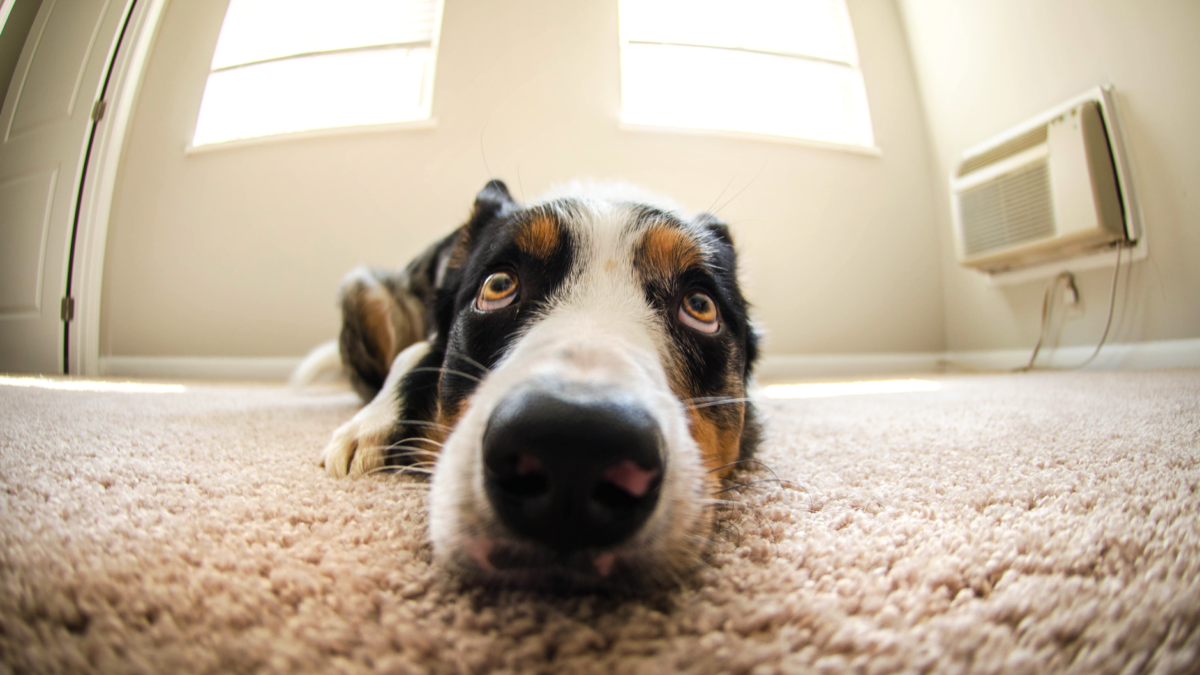
To get dog poop out of carpet without a stain, remove the solids first, blot the spot with cool water and a little dish soap, rinse, and finish with an enzyme cleaner made for pet messes. Work from the outside of the spot toward the center, blot instead of rubbing, and keep heat away until the stain is gone. Most fresh accidents come out completely if you treat them within the first hour.
The same method works for cat poop, vomit and hairballs.
What should you do first when a pet has an accident on carpet?
Lift off as much solid material as you can before any liquid touches the carpet. Water spreads poop into the fibers and the pad underneath, which makes a small spot larger.
- Put on disposable gloves.
- Pick up firm poop with a paper towel or a plastic bag turned inside out over your hand.
- For softer material, slide a flat tool such as a dull knife, a spoon or a stiff piece of cardboard under it and lift it straight up.
- Do not press down or scrub at this stage.
If the mess has dried, let it stay dry. Break up crusted material gently with a spoon or a dull knife and vacuum the loose bits with a vacuum you can clean afterward.
How do you clean the stain after the solids are gone?
A mild detergent solution followed by clean water handles most of the remaining residue. Mix about 1 tablespoon (15 ml) of clear, unscented liquid dish soap into 2 cups (about 500 ml) of cool water.
- Test the solution on a hidden part of the carpet, such as inside a closet, and blot with a white cloth to check for color transfer.
- Dampen a white cloth or paper towel with the solution. Do not pour it onto the carpet.
- Blot from the outer edge of the stain toward the middle so the stain does not spread.
- Switch to a clean part of the cloth and repeat until no more color transfers.
- Rinse by blotting with a cloth dampened in plain cool water. Soap left in the carpet attracts dirt and can make the spot look darker later.
- Press a thick, dry towel on the spot and stand on it for a minute to pull out moisture.
Use cool or lukewarm water. Poop, vomit and other body fluids contain proteins, and hot water or a steam cleaner can bond those proteins to the fibers and set the stain.
Why use an enzyme cleaner on pet accidents?
Enzyme cleaners break down the proteins and other organic matter that soap leaves behind, and that leftover matter is what causes odor and invites pets to go in the same place again. Look for a product labeled for pet stains and odors, and check that it is safe for your carpet type.
- Follow the label for how much to apply and how long to leave it. Many need to stay wet for a set time to work.
- Apply enough to reach as deep as the mess went. A thin mist on the surface will not treat the backing.
- Do not use a regular spot cleaner or disinfectant right before or after the enzyme product unless the label says it is compatible, because some chemicals stop the enzymes from working.
Avoid ammonia-based cleaners on pet accidents. Ammonia smells similar to urine to many animals and can draw them back to the spot. If urine was part of the accident, the steps in our guide to removing pet urine smell from carpet cover the pad and subfloor as well.
How do you clean diarrhea or vomit out of carpet?
Runny messes need absorbent material before any cleaning, because you cannot pick them up in one piece. Scrape up what you can with a flat tool, then cover the rest with a thick layer of baking soda, cornstarch or clean cat litter. Leave it for 15 to 30 minutes, then scoop and vacuum it up.
After that, follow the dish soap, rinse and enzyme steps above.
Diarrhea or vomiting that keeps happening, or that comes with blood, lethargy or refusal to eat, is a reason to call your veterinarian. If you think your pet swallowed something toxic, the ASPCA Animal Poison Control Center has a hotline and a list of common household hazards.
How do you remove an old or dried pet stain?
Old stains need rehydrating before they will lift. Remove any crust, then lightly dampen the spot with cool water and let it sit for several minutes so the residue softens.
- Work through the dish soap and rinse steps, repeating them two or three times if color keeps transferring.
- Apply an enzyme cleaner generously and let it work for the full time on the label. Some products suggest covering the spot with plastic so it stays wet longer.
Some carpet makers allow 3% hydrogen peroxide on light, colorfast carpet for a leftover shadow. It can bleach dyes, so test it in a hidden spot first, use it on its own, and never combine it with other cleaners. Wool and other natural fibers are more sensitive, so check the manufacturer’s care guide before using anything stronger than soap and water. The blotting technique is the same one used for getting red wine out of carpet, where old stains also take patience.
What mistakes make a pet stain worse?
- Rubbing or scrubbing, which pushes the mess deeper and frays carpet fibers.
- Using hot water, a steam cleaner or a hair dryer before the stain is gone.
- Pouring cleaner straight onto the carpet, which soaks the pad and leaves a ring as it dries.
- Mixing cleaning products. Bleach mixed with ammonia, vinegar or other acids releases toxic gases. Use one product at a time and rinse between them.
- Covering the spot with a scented spray instead of cleaning it. The smell returns, and so may the pet.
Read every product label, keep windows open or a fan running while you work, and store cleaners where pets and children cannot reach them. For human exposure to a cleaning product, call Poison Control at 1-800-222-1222 in the US.
When should you call a professional carpet cleaner?
Call a professional when an accident soaked through to the pad, when a large area is affected, or when the carpet is wool, silk or labeled dry-clean only. If the carpet is under warranty, check the warranty terms before using any spot cleaner, since some makers specify which products are allowed.
Quick answers
Can you use vinegar on dog poop stains?
Diluted white vinegar is a common home rinse for synthetic carpet after the soap step, but it can damage wool and some stone or natural fibers. Use it alone, never with bleach or other cleaners, and follow it with an enzyme product for odor.
How long does an enzyme cleaner take to work?
Enzyme cleaners usually need to stay wet on the stain for the time listed on the label, often from several minutes to an hour or more, and then dry fully.
Does baking soda remove poop stains?
Baking soda absorbs moisture and some odor from wet messes, but it does not break down the stain itself. Vacuum it up before you use soap and water, the same way you would for greasy food spills on carpet.
Why does my dog keep going in the same spot?
Dogs return to places that still smell like urine or feces to them, even when people cannot smell anything. A full enzyme treatment of the carpet and pad reduces repeat accidents, and a vet visit can rule out a medical cause.