Does a Dehumidifier Help With Mold? What It Can and Can’t Do
Dehumidifiers are great at keeping mold from starting, and useless at removing mold that's already there. Here's how to size one and where it pays off.
Yes, a dehumidifier helps prevent mold by keeping the air too dry for it to grow, but it won’t remove mold that’s already there. Mold that’s already growing still needs to be cleaned or removed, and leaks still need fixing. Aim for indoor humidity of 30% to 50%, which is the range EPA and ENERGY STAR recommend, and choose a unit by its pints-per-day capacity for how damp the space is. Dehumidifiers are most useful in basements, laundry rooms and other spaces that stay damp.
How a dehumidifier works
Most home dehumidifiers work like a small air conditioner. A fan pulls room air over cold coils, moisture condenses on them, and the water drips into a bucket or out through a drain hose. The drier air is warmed slightly and blown back into the room. A built-in humidistat switches the unit on and off to hold the humidity you set.
Mold needs moisture. The EPA says keeping indoor humidity below 60%, and ideally between 30% and 50%, helps prevent mold growth. A dehumidifier is a direct way to hit that range in a room that won’t stay dry on its own.
What a dehumidifier can and can’t do
| It can | It can’t |
|---|---|
| Lower room humidity so new mold is less likely to grow | Remove mold already on walls, wood or fabric |
| Reduce musty smells caused by damp air | Fix a leaking pipe, roof, foundation crack or flood |
| Help dry a room after a small spill or leak, alongside fans | Dry soaked drywall or carpet padding fast enough on its own |
| Make conditions worse for dust mites | Clean the air of particles. That’s an air purifier’s job. |
If you already have mold, clean small patches first. See how to get rid of mold on walls. If you use a cleaner, follow the label, ventilate, and never mix bleach with ammonia, vinegar or other products.
If someone swallows, inhales or gets a cleaning product in the eyes, call Poison Control at 1-800-222-1222 (US) or emergency services.
Sizing: pints per day
Dehumidifiers are rated by how many pints of water they can remove in 24 hours. ENERGY STAR’s sizing chart matches capacity to how damp the space is without dehumidification. Its minimum recommended ranges for portable units are:
| Condition | Typical signs | ENERGY STAR minimum (pints/day) |
|---|---|---|
| Slightly to moderately damp (50–75% RH) | Musty smell in humid weather | 20–30 for smaller spaces; 30+ for larger |
| Very damp (75–90% RH) | Always smells musty, damp spots on walls or floor | 25–40 for smaller spaces; 40+ for larger |
| Wet (90–100% RH) | Visible moisture, sweating walls, seepage | 30–50 for smaller spaces; 50+ for larger |
ENERGY STAR also says it’s better to oversize than undersize. A unit that’s too small runs constantly and still can’t keep up.
Watch out for rating changes. The US Department of Energy changed the test method for dehumidifiers, and newer ratings use cooler test conditions. The same size of machine may show a lower pint figure than older models or listings did. Compare models rated under the same method, and check the maker’s spec sheet.
Features worth checking
- Adjustable humidistat with a humidity readout. If yours doesn’t show humidity, use a separate hygrometer.
- Continuous drain or built-in pump. In a basement, a hose to a floor drain or sump saves you from emptying a bucket daily. A pump can push water up to a sink.
- Low-temperature operation and auto-defrost. ENERGY STAR notes that frost can form on the coils below about 65°F. Units with an anti-frost sensor shut off automatically. This matters in cool basements.
- Auto restart after a power cut.
- Energy efficiency. ENERGY STAR-certified models use about 20% less energy than conventional ones for the same moisture removal. Efficiency is listed as an integrated energy factor in liters per kWh. Higher is better.
- Washable filter and noise level, especially if the unit runs near living space.
Where it makes sense
Basements
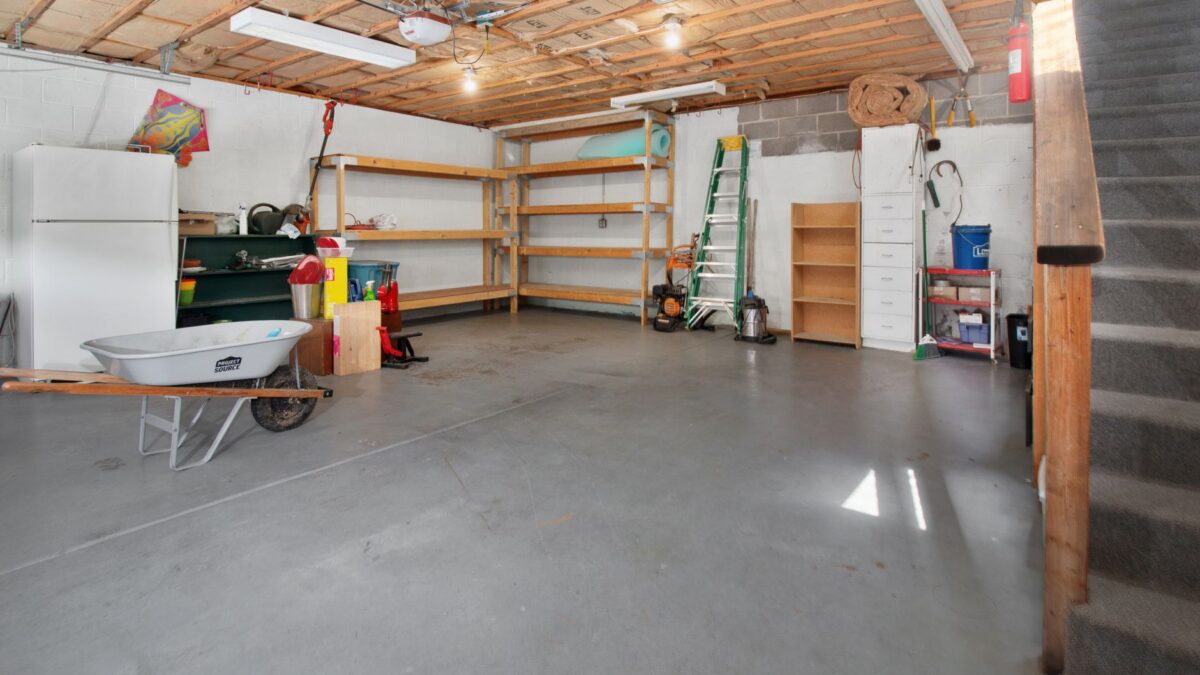
This is the classic use. Basements are cool and often damp from the ground. Close basement windows and doors while it runs, as ENERGY STAR advises, and route the drain hose away from electrical cords.
Bathrooms
A working exhaust fan vented outdoors is usually the better fix. A small dehumidifier can help in a windowless bathroom, but don’t use it in place of fixing a broken fan.
Laundry rooms and closets
Useful where you dry clothes indoors or where closets sit on cold exterior walls.
Crawl spaces
Crawl spaces usually need more than a portable unit. Moisture barriers, drainage and sealed or conditioned designs are jobs for a contractor, along with dehumidifiers built for crawl spaces.
Whole-home systems
ENERGY STAR says whole-home dehumidifiers suit humid climates with central air, especially in relatively sealed homes where humidity is consistently above 55%. They should be sized and installed by an HVAC professional.
Keep it clean
- Empty and rinse the bucket often so it doesn’t grow slime.
- Wash or replace the air filter as the manual says.
- Keep the coils free of dust.
- Check the drain hose for kinks and clogs.
For related smells, see how to get rid of a musty smell in the house. ENERGY STAR’s dehumidifier page has its full sizing chart.
Bottom line
A dehumidifier is one of the best ways to keep mold from growing in damp spaces, but it’s prevention, not cleanup. Set it to 30% to 50%, size it by pints per day for how damp the space is (when in doubt, go bigger), use a drain hose in basements, and still fix leaks and clean existing mold.
FAQ
What humidity should I set my dehumidifier to?
Between 30% and 50%. ENERGY STAR suggests 30% to 40% in cold-climate winters to avoid window condensation.
Will a dehumidifier kill mold?
No. It makes conditions worse for growth, but existing mold must be cleaned or removed.
Should a dehumidifier run all the time?
Let the humidistat control it. It will cycle on and off to hold your setting.
Can I use one in a cold basement?
Yes, but choose a model rated for low temperatures with auto-defrost, since coils can frost below about 65°F.