How to Get Rid of Mold on Walls (Painted, Drywall and Tile)
Small mold patches on painted walls and tile are a DIY job. Here's how to clean them safely, what to do about drywall, and how to stop the mold from coming back.
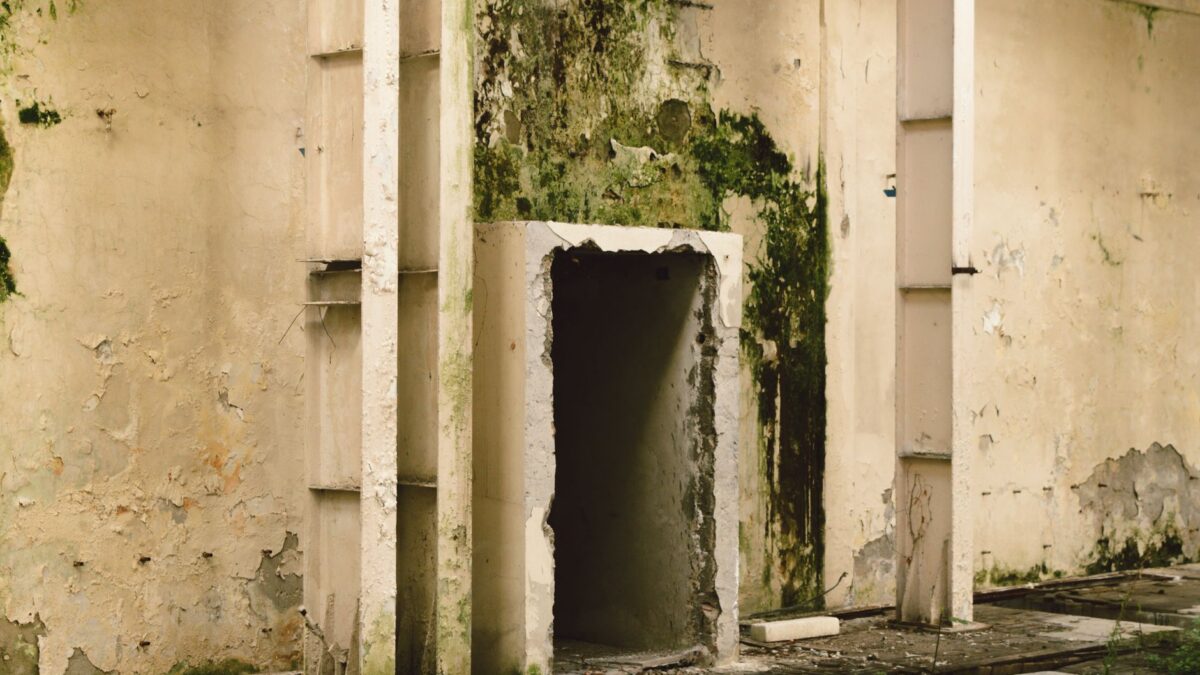
For a small patch of mold on a painted wall or tile, scrub it with dish detergent and warm water, wipe it clean, and dry the surface completely. Most important, fix the moisture that let it grow. The EPA says areas under about 10 square feet (roughly 3 by 3 feet) are usually a DIY job. Bigger areas, mold after flooding, or mold inside the drywall call for a professional. Never mix bleach with ammonia, vinegar or any other cleaner.
First: what kind of wall is it?
The surface decides whether you can clean the mold or must replace the material. Mold sits on top of hard, sealed surfaces, but it can grow into porous ones.
| Wall surface | Can you clean it? | What to do |
|---|---|---|
| Glossy or semi-gloss paint | Usually yes | Detergent and water, then dry. Repaint later with a mold-resistant paint if you like. |
| Flat or matte paint | Often, gently | Use a soft sponge. Scrubbing hard can lift the paint. |
| Ceramic or porcelain tile | Yes | Scrub tile and grout. Replace caulk that stays stained. |
| Bare or soaked drywall | Often no | Mold grows into the paper facing. Wet, crumbling or deeply stained drywall usually has to be cut out. |
| Wallpaper | Rarely | Mold often grows behind it. Peel back a corner to check. |
The EPA notes that porous materials such as ceiling tiles and carpet may need to be thrown away, because mold can grow into their crevices and may not come out completely. Drywall works the same way.
What you need
- Dish detergent and a bucket of warm water
- Sponges or a soft scrub brush, plus rags or paper towels you can throw away
- Long rubber, nitrile or similar gloves
- Goggles without vent holes
- An N95 respirator that fits properly
- A fan, dehumidifier or open window to dry the wall afterward
- Trash bags for used rags
How to clean mold off a wall
- Ventilate. Open a window and run the exhaust fan if the room has one. Keep children and pets out.
- Protect yourself. Put on gloves, goggles and an N95. Dead mold can still trigger allergies, so the goal is to remove it, not just kill it.
- Lightly mist the spot with plain water. This keeps spores from drifting while you work. Don’t soak drywall.
- Scrub with detergent and water. Work from the outside of the patch toward the center. Rinse your sponge often in clean water.
- Wipe with clean water to remove soap residue.
- Dry the area completely. Run a fan or dehumidifier. The EPA advises drying water-damaged areas within 24 to 48 hours to prevent mold from growing.
- Bag and toss used rags and paper towels. Wash reusable cloths separately on hot if their care labels allow it.
- Check again in a few days. If the spots return quickly, there is still moisture in or behind the wall.
What about bleach?
The EPA says it does not recommend bleach for routine mold cleanup. Detergent and water physically remove the growth, and that is what matters. If you still want to use bleach on a hard, non-porous surface like tile or glossy paint, the CDC says to use no more than 1 cup of household laundry bleach per gallon of water. Read the product label too, open windows, and wear gloves and goggles.
Bleach is a poor choice for drywall, bare wood and other porous materials. It doesn’t remove growth from inside the material, and the extra water can feed the problem.
Never mix bleach with ammonia, vinegar, toilet-bowl cleaners, rust removers or any other cleaner. These combinations release toxic gases. Use one product at a time and rinse the surface with water before switching. See our list of cleaning products you should never mix.
Homemade cleaners clean but do not disinfect. Only EPA-registered products can make disinfection claims. If you use one, follow its label exactly, including the contact time.
If someone swallows, inhales or gets a cleaning product in the eyes, call Poison Control at 1-800-222-1222 (US) or emergency services.
Don’t paint over mold
Paint, primer or caulk over mold will usually peel, and the growth carries on underneath. Clean and dry the wall first. Once it is fully dry and the moisture problem is fixed, a mold- and mildew-resistant primer or paint can help in damp rooms. It’s an extra layer of protection, not a fix.
Fix the moisture or it comes back
Mold needs water. Find the source before you do anything cosmetic.
- Exterior walls and corners: These are usually cold spots where condensation forms. Move furniture a few inches away from the wall so air can circulate.
- Bathrooms and kitchens: Run exhaust fans while you cook or shower, and for a while after.
- Humidity: The EPA recommends keeping indoor humidity below 60%, ideally between 30% and 50%. An inexpensive hygrometer will tell you where you are. A dehumidifier helps in basements and damp rooms.
- Leaks: Look for stains spreading from a ceiling, window, pipe or roof line. A plumber or roofer fixes these, not a sponge.
- Windows: Heavy condensation on windows often goes along with mold on nearby walls.
When to call a professional
- The moldy area is larger than about 10 square feet.
- The wall got wet in a flood or from sewage or other contaminated water.
- You smell mold but can’t see it. It may be inside the wall cavity.
- You suspect mold in your heating or cooling system. The EPA says not to run the HVAC system if you know or suspect it is contaminated.
- Someone in the home has asthma, a weakened immune system or a chronic lung condition. Talk to a doctor before cleanup.
If you hire a contractor, ask about their mold cleanup experience and references. The EPA’s Brief Guide to Mold, Moisture and Your Home is a useful free reference.
Bottom line
For small patches on hard surfaces, detergent and water, protective gear and fast drying do the job. Bleach is optional and only for non-porous surfaces, at no more than 1 cup per gallon, and never mixed with anything. Moldy drywall usually has to go. And mold always comes back until you fix the moisture.
FAQ
Is vinegar or bleach better for mold on walls?
Neither is needed for most small jobs. Detergent and water remove the growth. If you try either one, use it alone, never together, and rinse with water between products. Avoid vinegar on natural stone.
Can I just paint over mold with mold-resistant paint?
No. The EPA says not to paint or caulk moldy surfaces. Clean the wall, let it dry completely and fix the moisture first. Then paint.
Do I need to test the mold before cleaning it?
Usually not. If you can see mold, the EPA says sampling is usually unnecessary, and there are no federal limits to compare results against. Read more in black mold vs. mildew.
Why does mold keep coming back on the same wall?
Something keeps that spot damp. Common causes are a cold exterior wall, poor airflow behind furniture, high humidity or a slow leak. Fix that, and the mold has nothing to grow on.