How to Get Tree Sap Off Hands, Clothes, Carpet and Your Car
Pine sap from a Christmas tree is sticky but not permanent. Use oil on hands, alcohol on fabric and patience on paint, and keep flammable products away from heat.
To get tree sap off your hands, rub in a little cooking oil or an alcohol-based hand sanitizer, then wash with soap and warm water. On clothes, harden the sap with ice, scrape off what you can, dab the rest with rubbing alcohol on a cotton ball, then wash. Rubbing alcohol and hand sanitizer are flammable: use them away from candles, fireplaces and space heaters, with a window open.
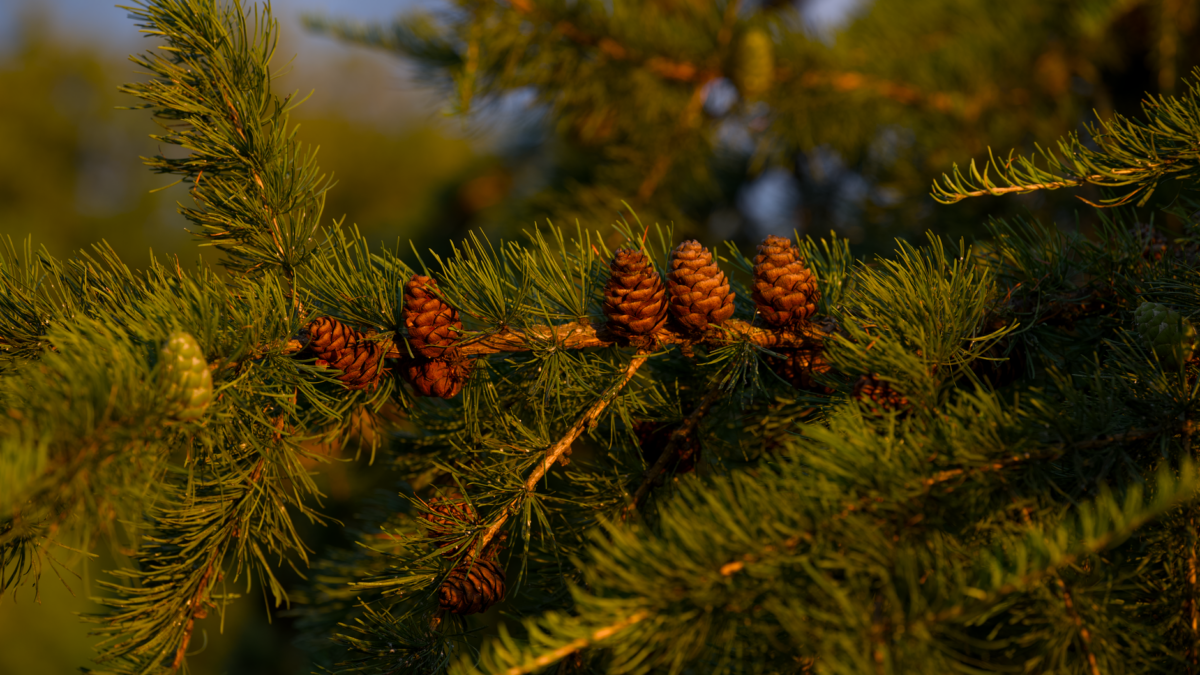
Sap from pine, fir and spruce trees is a sticky resin. It doesn’t dissolve well in water, which is why scrubbing with soap alone smears it around. Oil and alcohol break it down instead.
What you need
- Vegetable oil, olive oil or coconut oil (for skin)
- Alcohol-based hand sanitizer or 70% rubbing alcohol (isopropyl)
- Cotton balls or a clean white cloth
- Ice cubes in a plastic bag, and a dull knife or spoon
- Liquid dish soap and laundry detergent
Sap on hands and skin
- Wipe off any big blobs with a paper towel.
- Rub a teaspoon of cooking oil into the sap for a minute or two. The resin softens and rolls off.
- Alternatively, rub in hand sanitizer until the sap loosens.
- Wash with dish soap or hand soap and warm water to remove the oil or alcohol and sap residue.
- Moisturize afterward; alcohol is drying.
Avoid harsh solvents such as paint thinner on skin. For children’s hands, oil is the gentlest choice. Keep sanitizer and alcohol away from eyes; if any gets in, rinse with water and call Poison Control at 1-800-222-1222 (US) for advice.
Sap on clothes
- Check the care label. Dry-clean-only fabrics, silk, acetate and some synthetics can be damaged by alcohol. Take those to a cleaner and point out the stain.
- Harden it. Hold a bag of ice on the sap for a few minutes, or put the garment in a plastic bag in the freezer for an hour.
- Scrape. Lift off the hardened bits with a dull knife or spoon.
- Spot test. Dab rubbing alcohol on an inside seam and check for color change.
- Treat. Lay the stain face down on a paper towel and dab the back with a cotton ball soaked in alcohol or a little hand sanitizer. Change the paper towel as it picks up resin. Work in a ventilated room, away from flames.
- Pretreat and wash. Rub in a bit of liquid laundry detergent or dish soap, then wash in the warmest water the label allows.
- Air-dry and check. Repeat if a mark remains before the garment goes in the dryer.
Let any alcohol evaporate before laundering, and don’t put solvent-soaked items in the dryer.
Sap on carpet and upholstery
Freeze the sap with an ice bag, then scrape or snip off loose bits (trim only the very tips of carpet fibers if needed). Test rubbing alcohol in a hidden corner. If it’s safe, dab, don’t pour, with a white cloth, then blot with a cloth dampened in a few drops of dish soap and water, and rinse by blotting with plain water. Wool carpets and some upholstery fabrics are sensitive; check the manufacturer’s care instructions or the upholstery cleaning code. For needle-and-wax combinations on the floor around the tree, see removing candle wax from carpet.
Sap on the car
Sap often lands on the roof when you carry the tree home. Paint and clear coat need more care than fabric.
- Wash the area with car-wash soap and water first.
- Soften the sap with warm water and a soft microfiber cloth held on it for a few minutes.
- Use a bug-and-tar or sap remover made for automotive paint, following its label, or check your vehicle owner’s manual for approved products.
- Rinse, dry and apply wax to the spot to protect the finish.
Rubbing alcohol is sometimes used on fresh sap on paint, but it can strip wax and, if left on, may affect some finishes. Test on an inconspicuous area and rinse promptly. Never scrape paint with a blade.
Quick reference
| Surface | First choice | Avoid |
|---|---|---|
| Skin | Cooking oil, then soap and water | Paint thinner, acetone on large areas |
| Cotton, denim, polyester | Freeze, scrape, rubbing alcohol, detergent wash | Dryer heat before the stain is gone |
| Silk, acetate, dry-clean only | Professional cleaner | Alcohol and acetone |
| Carpet and upholstery | Freeze, scrape, tested alcohol, soap rinse | Soaking the backing |
| Car paint | Automotive sap or tar remover | Blades, abrasive pads |
Bringing the tree home with less mess
- Wear old gloves and a jacket you don’t mind getting sticky.
- Lay an old sheet or tarp on the car roof and under the tree stand.
- Wrap the trunk in a plastic bag when you carry it through the house.
- Keep a small bottle of cooking oil and a rag near the door for hands.
If you’re switching to an artificial tree to avoid the sap altogether, our guide on cleaning an artificial Christmas tree covers keeping it dust-free.
Bottom line
Oil for skin, alcohol for most fabrics, automotive products for paint. Freeze and scrape first, spot test, and keep rubbing alcohol and sanitizer away from heat and flame. Check before you dry anything.
FAQ
Does butter or peanut butter remove sap from hands?
Any oil or fat can loosen sap, so butter works in a pinch. Cooking oil is simpler and less messy, and you should still wash with soap afterward.
Can I use nail polish remover on sap?
Acetone can dissolve sap, but it damages acetate and some synthetics and can strip finishes. It is also highly flammable. Try oil or rubbing alcohol first.
Will sap wash out in the washing machine?
Usually not on its own. Pretreat with alcohol and detergent first, or the sap may spread or stick to other items.
How do I get sap off a pet’s fur?
Work a little cooking oil into the fur, then wash with a pet-safe shampoo. Don’t use alcohol, sanitizer or solvents on pets, and call your vet if a large area is matted.