How to Get Gravy Out of a Tablecloth (Cotton, Linen and Blends)
Gravy stains need a two-part attack: something for the fat and something for the protein. Here's the order that works, and why the dryer is your enemy until the mark is gone.
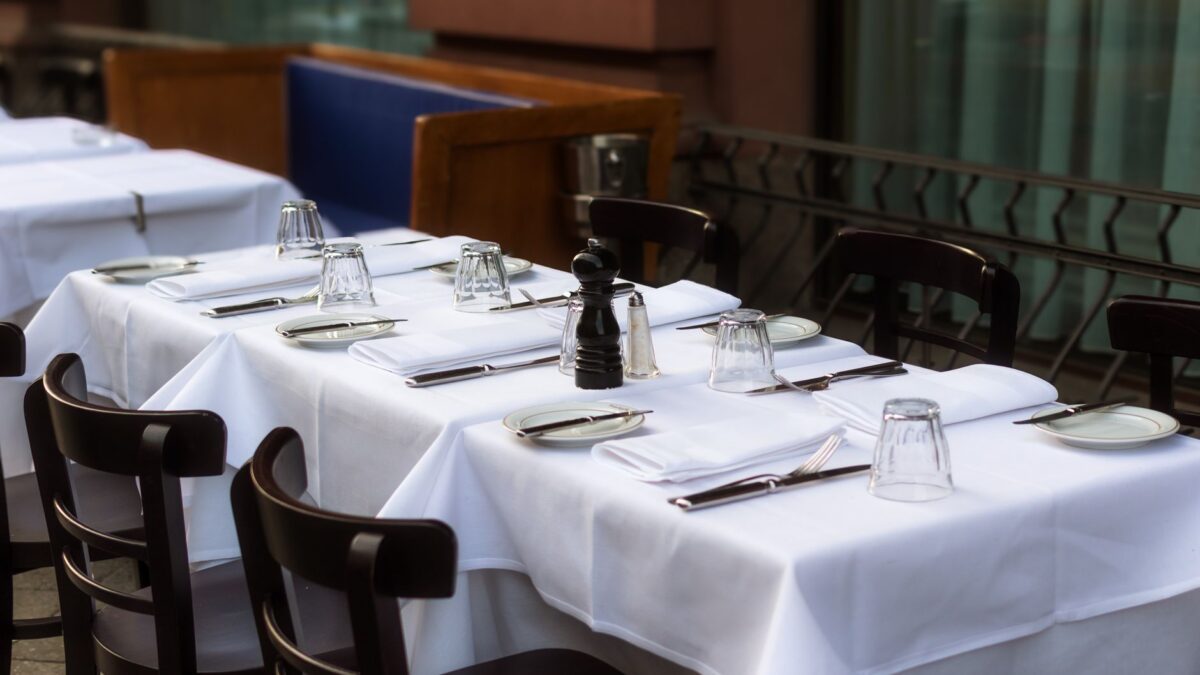
To get gravy out of a tablecloth, scrape off the excess, rinse the back of the stain with cold water, work in a little liquid dish soap or an enzyme stain remover, let it sit 15–30 minutes, then wash in the warmest water the care label allows. Check the spot before drying; heat from the dryer can set a grease stain so it becomes very hard to remove.
Gravy is tricky because it is two stains at once. The fat and oil need a detergent that breaks up grease, and the meat juices and flour behave like a protein and starch stain, which hot water can set. That’s why the order matters: cool first, then soap, then warmer water in the wash.
What you need
- A spoon or dull knife
- Paper towels or a clean white cloth
- Liquid dish soap (a plain, dye-free one is ideal on light linens)
- An enzyme laundry detergent or prewash stain remover
- Oxygen bleach (sodium percarbonate) for stubborn stains on colorfast fabric
Step by step: fresh gravy stains
- Scrape, don’t rub. Lift off thick gravy with a spoon. Rubbing pushes fat deeper into the weave.
- Blot. Press a paper towel on the front and back to soak up liquid fat.
- Flush from the back with cold water. Hold the stained area under a cold tap with the stain facing down, so water pushes the gravy out the way it came in.
- Apply dish soap or a pretreatment. Work a few drops of liquid dish soap or an enzyme prewash product into both sides with your fingers or a soft brush.
- Wait. Leave it 15–30 minutes. For heavy stains, you can soak the cloth for several hours in cool water with enzyme detergent.
- Wash. Launder using the warmest water the care label allows, with a good detergent.
- Check before drying. Grease stains are hard to see when fabric is wet. Let the cloth air-dry, look in good light, and repeat if any shadow remains.
The American Cleaning Institute’s holiday laundry advice follows the same pattern: pretreat oil-based food stains such as gravy and butter with a prewash product before washing, and air-dry until you’re sure the stain is gone.
Old or set-in gravy stains
If the tablecloth went through the dryer or sat in a drawer, the stain may be oxidized (yellowish) and the fat has bonded to the fibers. Don’t give up.
- Rewet the area and work in dish soap. Let it sit for 30 minutes.
- Soak overnight in cool water with an enzyme detergent.
- For white or colorfast cotton and linen, try an oxygen bleach soak, mixed and timed according to the product label. Test colored fabric on a hidden spot first.
- Wash and air-dry. Several rounds may be needed.
By fabric
| Fabric | Best approach | Cautions |
|---|---|---|
| Cotton (white) | Dish soap, enzyme detergent, warm or hot wash per label; oxygen bleach for leftover marks | Chlorine bleach can yellow old grease stains rather than remove them; use only if the label allows |
| Cotton (colored) | Dish soap, enzyme detergent, warm wash | Test oxygen bleach on a seam; hot water can fade dyes |
| Linen | Same as cotton; linen releases stains well | Avoid harsh wringing; follow the label on temperature; heavier linen may shrink |
| Polyester and blends | Dish soap and enzyme pretreatment; polyester holds onto oil, so be patient | Hot dryer heat sets oily stains in synthetics easily |
| Vintage, lace, hand-embroidered | Cool water, mild soap, gentle soaking, hand washing | Test everything first; consider a professional for heirlooms |
A note on bleach
Chlorine bleach is not a grease remover, and on some fabrics it can make an oil stain turn yellow. If you do use bleach on white cotton, follow the label, rinse first so no other product is in the fabric, and never mix bleach with vinegar, ammonia or other cleaners. Bleach also damages wool, silk and spandex. For more on reading those symbols, see our guide to laundry care symbols.
If gravy hits carpet or upholstery
Scrape, blot, then dab with a cloth dampened in a mix of a few drops of dish soap in a cup of warm water. Rinse by blotting with plain water and press dry. Check the upholstery cleaning code first; “S” fabrics shouldn’t get water. The method for oily spots on carpet is covered in our grease stain guide.
Prevent the next one
- Use a washable tablecloth or a runner on the busiest stretch of the table.
- Put the gravy boat on a saucer or small plate.
- Keep a stain stick or a small bottle of dish soap handy so you can pretreat after dinner rather than the next week.
- Wash table linens soon after the meal; stains that sit become harder to lift.
- Store linens clean and fully dry to avoid yellowing and musty smells.
Bottom line
Scrape, rinse from the back with cold water, pretreat with dish soap or an enzyme product, then wash warm and air-dry. Keep the tablecloth out of the dryer until the stain is fully gone, and repeat the treatment if needed.
FAQ
Should I use hot or cold water on a gravy stain?
Start with cold to rinse out the protein and starch without setting them. After pretreating with soap or an enzyme product, wash in the warmest water the care label allows to help remove the fat.
Does baking soda remove gravy?
Sprinkling baking soda or cornstarch on a fresh spot can absorb some of the grease before washing. It won’t remove the stain by itself; follow with dish soap and a wash.
My tablecloth went in the dryer. Is the stain permanent?
Not necessarily. Set-in grease often loosens after dish soap, an overnight enzyme soak and, for colorfast whites, an oxygen bleach soak. It may take several rounds.
Can I use dish soap on linen?
Yes, a small amount of plain liquid dish soap is generally fine on linen. Rinse it out thoroughly and wash per the care label.