How to Get Rid of Dust Mites: What Actually Works
Dust mites live in almost every home, mostly in bedrooms. These allergy-group-backed steps reduce them far more than sprays or gadgets.
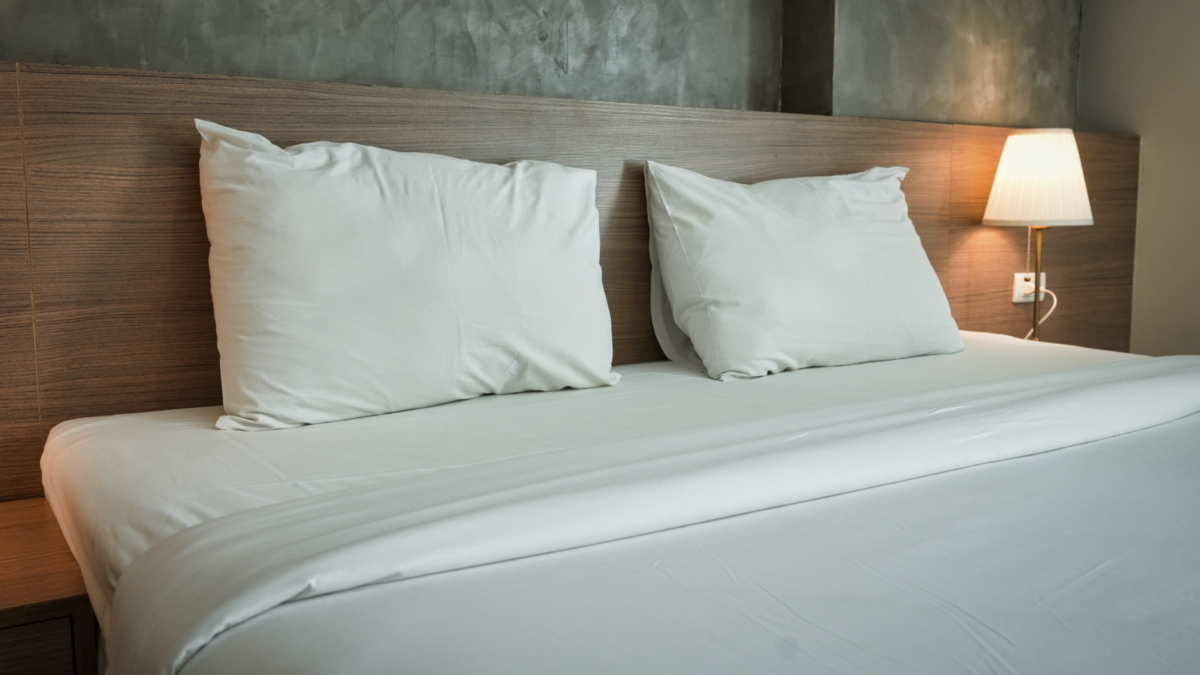
You can’t get rid of dust mites completely, but you can cut their numbers a lot. The Asthma and Allergy Foundation of America (AAFA) recommends washing sheets and blankets weekly in water at least 130°F, putting zippered allergen-barrier covers on mattresses and pillows, keeping indoor humidity between 30% and 50%, and vacuuming weekly with a HEPA vacuum. Bedrooms matter most. Sprays and gadgets matter much less than these basics.
What dust mites are and where they live
Dust mites are tiny relatives of spiders, too small to see. They feed mainly on the flakes of skin people shed every day. They do well in warm, humid rooms, especially around 70°F and above with humidity over 50%. According to AAFA, they’re found in nearly every home, and the bedroom usually has the most.
They live in mattresses, pillows, bedding, carpets, curtains, upholstered furniture and stuffed toys. The allergy trigger is their waste and body fragments, which settle in fabric and get stirred up when you make the bed or vacuum. If you think you have a dust mite allergy, an allergist can confirm it and discuss treatment.
What you need
- Zippered allergen-barrier covers for the mattress, box spring and pillows
- Washable bedding that can handle hot water
- A hygrometer to measure humidity, and a dehumidifier or air conditioner if needed
- A vacuum with a HEPA filter
- Damp microfiber cloths for dusting
The routine that works
- Encase the mattress and pillows. Use zippered covers with pores too small for mites and their waste to pass through. AAFA points to products that are Certified Asthma & Allergy Friendly. Covers don’t replace washing, because mites still live in the sheets and blankets on top.
- Wash bedding weekly in hot water. AAFA says at least 130°F. Many home water heaters and “hot” settings are set lower, so check yours. A dryer on a hot setting adds extra heat for items whose label allows it. See how often to wash sheets.
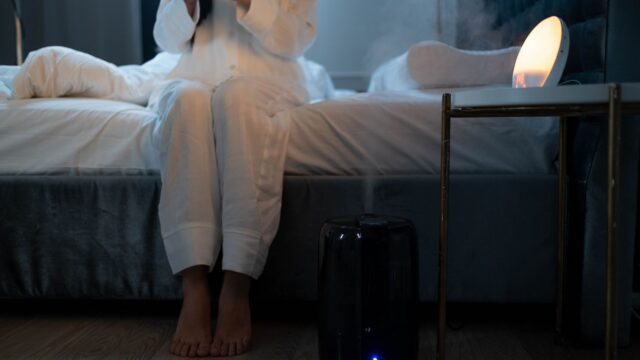
- Bring humidity down. Keep it between 30% and 50%. Use a dehumidifier or air conditioner in humid months, and don’t overdo it with a humidifier in winter.
- Vacuum weekly with a HEPA vacuum. AAFA also suggests vacuuming the mattress every one to three months, and more often without fully enclosed covers. Vacuuming alone won’t remove all mites, so combine it with washing.
- Dust with a damp cloth. Dry dusters push allergens back into the air. Reduce clutter on bedroom surfaces, since dust collects there.
- Let someone else clean if possible. AAFA suggests that a person without a dust mite allergy clean the bedroom. If you have to do it yourself, wear an N95 mask and stay out of the room for 20 to 30 minutes after.
Bigger changes, if allergies are bad
| Item | Lower-mite option | Notes |
|---|---|---|
| Wall-to-wall carpet | Hard floors with washable throw rugs | Most useful in the bedroom |
| Heavy curtains | Roll-up shades or washable curtains | Wash curtains on the label’s warmest setting |
| Upholstered furniture | Leather, wood or vinyl | Vacuum fabric pieces often |
| Down-filled bedding | Washable synthetic fill | AAFA lists down among items to remove where possible |
| Stuffed toys | Fewer toys, washable ones | Wash in hot water per the label |
| Old pillows | Replace | AAFA suggests replacing pillows about every 2 years |
For more on pillows, see how to wash a pillow.
Myths and shortcuts
“A spray will kill them”
Anti-mite sprays and powders exist, but AAFA’s core advice is barrier covers, hot washing, humidity control and HEPA vacuuming. If you choose to use a spray, it isn’t a substitute for those, and you should follow its label exactly, ventilate, and keep it away from children and pets. Never combine it with other cleaners.
If someone swallows, inhales or gets a cleaning product in the eyes, call Poison Control at 1-800-222-1222 (US) or emergency services.
“An air purifier will fix it”
Dust mite allergens are fairly heavy and settle quickly into fabric. They don’t stay airborne long. AAFA suggests a certified filter in the furnace and air conditioner and a freestanding air cleaner in the bedroom as part of a plan, and warns against devices that use heat, electrostatic ions or ozone. See do air purifiers help with allergies.
“Cold water is fine if the detergent is good”
Detergent removes allergens from fabric, but AAFA’s guidance for killing mites is water of at least 130°F. For items that can’t take heat, washing still removes much of the allergen.
“Mites mean my house is dirty”
Mites are found in nearly every home. Humidity and fabric matter more than how tidy you are.
A simple weekly schedule
- Weekly: hot-wash sheets, pillowcases and blankets; HEPA-vacuum floors and rugs; damp-dust the bedroom.
- Monthly: vacuum upholstered furniture and curtains; check humidity readings.
- Every 1–3 months: vacuum the mattress; wash mattress and pillow covers per their labels.
- Seasonally: change HVAC filters as the manufacturer directs. Our guide to reducing dust at home covers filter ratings.
AAFA’s dust mite allergy page has more detail.
Bottom line
Focus on the bed. Encase the mattress and pillows, hot-wash bedding weekly at 130°F or more, keep humidity under 50%, and HEPA-vacuum weekly. Those steps do far more than sprays or gadgets. If symptoms continue, an allergist can help.
FAQ
Can you see dust mites?
No. They’re too small to see with the naked eye.
Does freezing kill dust mites?
Some people freeze small items like stuffed toys that can’t be washed hot, but hot washing is the method AAFA describes. Wash items after freezing to remove allergens.
Do dust mites bite?
No. They don’t bite. Reactions come from allergens in their waste and body parts.
How long until symptoms improve?
It varies from person to person. Consistent weekly washing and humidity control are what make a difference over time.