How to Reduce Dust in Your House: Sources, Filters and a Simple Routine
Most dust is tracked in, shed from fabric or stirred up by dry dusting. These cheap changes and a realistic schedule keep it from coming right back.
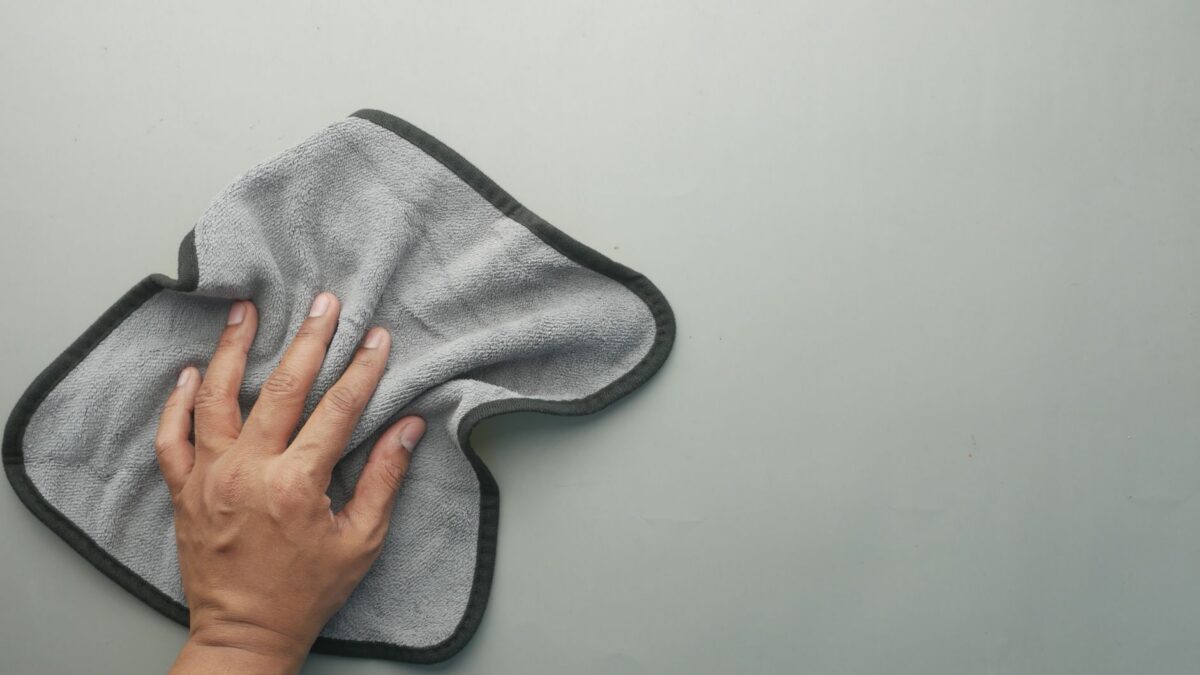
The best ways to reduce dust are to stop it coming in (doormats, shoes off at the door), trap it instead of moving it (damp microfiber cloths and a vacuum with a good filter), and upgrade your HVAC filter. The EPA suggests MERV 13 or the highest rating your system can handle. Dust from top to bottom, vacuum last, and stick to a simple weekly routine. An air purifier helps with airborne particles, but it won’t clean the dust that has already settled.
Where household dust comes from
Household dust is a mix of things from inside and outside:
- Soil and grit tracked in on shoes and paws
- Outdoor particles and pollen that drift in through doors, windows and gaps
- Skin flakes, hair and pet dander
- Fibers from carpets, bedding, towels, clothing and upholstery
- Cooking and burning (candles, fireplaces, toasters)
- Paper and cardboard
Dust mites feed on the skin flakes in dust, so less dust also means fewer mites. See how to get rid of dust mites.
What you need
- Microfiber cloths, slightly dampened with water
- A vacuum with a HEPA or high-efficiency filter, and its crevice and brush attachments
- A doormat outside and another inside each entry
- The right-size HVAC filter at the highest MERV rating your system can handle
- Optional: a portable air purifier for the bedroom or main living space
How to dust so it stays gone
- Declutter surfaces first. Fewer objects means fewer places for dust to collect, and dusting goes faster.
- Work top to bottom. Ceiling fans, light fixtures and the tops of shelves and door frames first, then furniture, then baseboards and floors last. Dust falls as you go.
- Use a damp cloth, not a feather duster. Dry dusters flick dust back into the air. A barely damp microfiber cloth traps it. Fold the cloth to a fresh side often.
- Don’t forget the dust traps: lampshades, blinds, vents, the tops of TVs and electronics (power them off and wipe with a dry or barely damp cloth as the manual allows), and behind appliances.
- Wipe baseboards. They catch the dust that settles from everything above. See how to clean baseboards.
- Vacuum last, slowly. Make overlapping passes on carpets and rugs. Vacuum upholstery and under cushions.
- Empty the bin or change the bag outdoors if you can, and clean or replace filters as the manual says.
The HVAC filter: an easy upgrade
If you have forced-air heating or cooling, the filter cleans the air every time the system runs. The EPA recommends a filter rated at least MERV 13, or as high as your system and filter slot can accommodate. Most systems can handle MERV 13 if the filter is replaced often. An HVAC technician can confirm what your system can handle.
| Filter rating | What it means |
|---|---|
| Low MERV (thin fiberglass) | Mainly protects the equipment and catches large particles |
| Mid MERV (pleated) | Catches more dust and pollen |
| MERV 13 | The EPA’s suggested minimum for capturing fine particles at home |
| Higher than your system allows | Can restrict airflow. Check with an HVAC tech. |
The EPA says to replace filters according to the manufacturer’s directions, often every 60 to 90 days, and sooner if they look heavily soiled. Set a phone reminder. A clogged filter does little good.
Stop dust at the door
- Two doormats: a coarse one outside to scrape off grit and an absorbent one inside.
- Shoes off inside, or at least wiped on the mat.
- Wipe pet paws after walks, and brush pets outdoors.
- Keep windows closed on high-pollen or smoky days, and check local air quality before airing out the house.
- Weatherstrip leaky doors and windows, which also helps your heating bill.
Fabrics hold dust
Carpets, heavy drapes, piles of throw pillows and stuffed toys all collect dust and release it when disturbed. You don’t have to remove them, but:
- Wash bedding weekly, and curtains and throws on a regular schedule per their labels.
- Vacuum upholstery and mattresses regularly.
- Choose washable rugs in high-traffic areas.
Where an air purifier fits in
A portable air cleaner with a HEPA filter can reduce fine airborne particles, such as smoke, pollen and pet dander, in the room where it runs. It can’t pick up dust that has already settled on your shelves and floor, so it adds to cleaning rather than replacing it. The EPA advises choosing a unit sized to your room by its clean air delivery rate (CADR) and avoiding devices that intentionally produce ozone. See how to choose an air purifier and the EPA’s Guide to Air Cleaners in the Home.
A realistic dust schedule
| How often | Task |
|---|---|
| Weekly | Damp-dust main surfaces, vacuum floors and rugs, wash bedding, shake out doormats |
| Every 2 weeks | Vacuum upholstery, wipe electronics, dust blinds and lampshades |
| Monthly | Ceiling fans, light fixtures, door frames, baseboards, vents and returns |
| Every 1–3 months | Check or change the HVAC filter as the maker directs; clean vacuum filters per the manual |
| Seasonally | Wash curtains and throws per label; vacuum behind and under furniture |
For vacuum features that matter for dust, such as sealed systems and filter types, read how to choose a vacuum cleaner.
Bottom line
Keep dust out at the door, trap it with damp cloths and a well-filtered vacuum, and clean from top to bottom. Change your HVAC filter on schedule and use MERV 13 if your system can handle it. An air purifier helps in bedrooms and living rooms, but it’s a supplement to cleaning, not a shortcut.
FAQ
Why does my house get dusty so fast?
Common reasons are a dirty or low-rated HVAC filter, lots of fabric and carpet, pets, outdoor dirt tracked in, and leaky doors or windows.
Is it better to dust or vacuum first?
Dust first, from top to bottom, then vacuum so you pick up whatever fell.
Do dryer sheets or furniture polish repel dust?
Polish can leave a film that makes surfaces look cleaner for a while, but a damp microfiber cloth removes dust without buildup.
Will running the HVAC fan reduce dust?
Running the fan pushes more air through the filter, which can help if you use a good filter. It also uses more electricity, so weigh the cost.