Automatic Car Wash vs Hand Wash: Brush, Soft-Touch, Touchless or DIY?
Every wash method trades convenience against paint wear, chemicals and water. Here is how brush, soft-touch, touchless and hand washing compare.
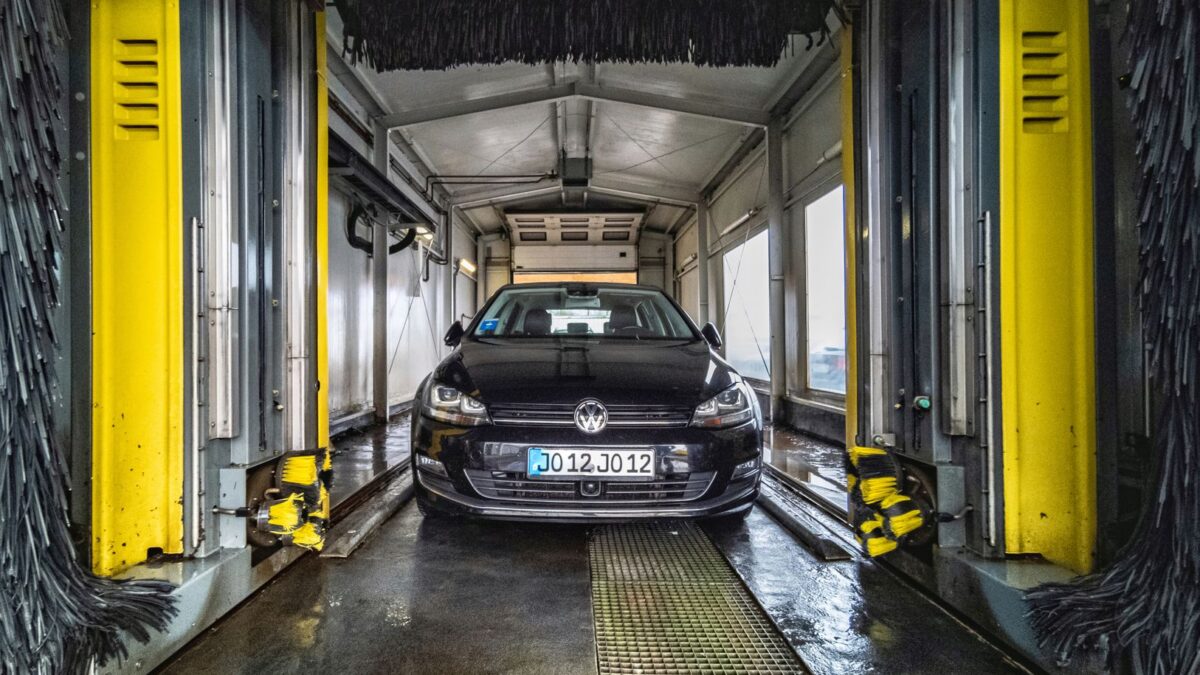
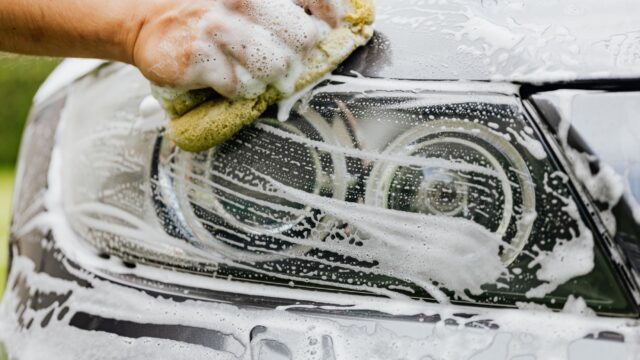
A careful hand wash (two buckets, clean mitts, car shampoo) is usually the gentlest option for paint, but only when done properly; a sloppy hand wash with one gritty sponge can scratch as much as a poorly kept machine. Touchless automatic washes avoid physical contact but rely on stronger chemicals and high pressure, and may leave a film of grime. Soft-touch and brush washes clean more thoroughly and quickly, but any material that touches dirty paint can leave fine swirl marks, especially if it isn’t well maintained. Many owners use a mix: hand washing when they have time, a touchless wash with an underbody rinse in winter.
The four options at a glance
| Method | How it works | Strengths | Drawbacks |
|---|---|---|---|
| Hand wash (DIY) | You wash with mitts, buckets and car shampoo | Gentlest when done right; you control products and pressure; reaches every area | Time and effort; scratches if you use dirty tools; runoff rules may apply at home |
| Touchless automatic | High-pressure water and detergents, no brushes | Nothing rubs the paint; fast; good for salt rinses | Stronger chemicals can wear down wax and sealant faster; road film often remains |
| Soft-touch / soft-cloth automatic | Foam or cloth strips plus detergents | Cleans better than touchless; fast | Contact can cause fine swirls if the material holds grit or isn’t maintained |
| Older brush-style washes | Rotating bristle brushes | Fast, usually inexpensive | Highest risk of swirl marks and scratches on dark paint |
Also common: self-serve wash bays, where you use a coin-operated pressure wand. The wand is handy for rinsing, but the foaming brushes in those bays are used on muddy trucks all day; many detailers avoid putting them on paint.
Swirl marks: where they come from
Swirl marks are fine circular scratches in the clear coat, most visible on dark paint in sunlight. They’re caused by dirt being dragged across the surface. That can happen in any method:
- Automatic washes with contact material that isn’t clean or well maintained.
- Hand washes using a single bucket, a dropped mitt, a kitchen sponge or a bath towel for drying.
- Dry wiping a dusty car with a cloth.
Light swirls can usually be polished out, but polishing removes a little clear coat each time, so prevention is better. Our at-home car wash guide explains the two-bucket method that keeps grit out of your mitt.
Chemicals and your wax
To clean without touching, touchless washes generally use stronger detergents, sometimes in two steps with different pH. These can shorten the life of wax or sealant. Hand washing with a pH-balanced car shampoo is gentler on protection. Whichever you choose, avoid using dish soap as a regular car wash at home: it cuts grease well, which is exactly why it strips wax and sealant. If you use automatic washes often, plan to reapply protection more often; see how to wax a car.
Water use and runoff
Water use varies a lot. At home, a hose left running uses far more than one that’s shut off between rinses or fitted with a shut-off nozzle. Commercial washes often recycle part of their water, and in many places they’re required to send wastewater to the sanitary sewer for treatment, not the storm drain.
Driveway wash water usually flows to storm drains, which in many areas lead to streams and lakes without treatment, carrying soap, oil, metals and grime. That’s why some cities and states restrict driveway washing or ask residents to wash on grass or gravel. Rules vary, so check your local water or stormwater utility before making home washing a habit. Washing on a lawn, using a biodegradable car shampoo in moderation, and using a bucket instead of a running hose all help.
Cost, as of October 2026
Prices vary widely by region, wash type and package, so treat these as rough ranges from published price guides rather than firm numbers. A basic automatic wash is commonly advertised at somewhere around $7 to $20 in many US areas, higher in big-city locations, with premium packages (wax, underbody, tire shine) higher. Many chains sell unlimited monthly memberships, often in the $20 to $40 range, which can make sense if you wash more than twice a month. Hand washing at home costs the price of shampoo, mitts and towels, which last many washes, plus your time. Professional hand washing and detailing costs considerably more. Check local menus before deciding.
What to choose when
| Situation | Good fit |
|---|---|
| New, dark or freshly polished paint | Careful hand wash |
| Winter road salt, freezing weather | Touchless wash with underbody rinse; hand wash on mild days |
| Light dust between proper washes | Rinse-only or touchless |
| Heavy mud or grime | Pre-rinse with a pressure wand, then hand wash |
| Ceramic coating or paint protection film | Follow the installer’s or maker’s care instructions, which often favor hand washing |
| Little time, apartment living, local runoff restrictions | A well-maintained automatic or touchless wash |
| Roof racks, wide mirrors, aftermarket parts | Hand wash; check the wash’s posted vehicle restrictions |
Using an automatic wash well
- Check your owner’s manual. Many vehicles, especially EVs and cars with automatic wipers or electronic parking brakes, have a “car wash mode” or specific steps for conveyor washes, such as keeping the car in neutral and turning off auto wipers.
- Fold mirrors and remove antennas where possible; retract or remove accessories the wash prohibits.
- Look at the equipment. Clean, well-kept facilities are a better sign than worn, dirty cloth.
- Dry spots afterward with a clean microfiber towel if the dryer misses them, but only on a car that’s already clean.
Bottom line
There’s no single winner. A careful hand wash is gentlest and most thorough; touchless washes are a sensible no-contact option, especially for salt in winter, at the cost of stronger chemicals; and soft-touch or brush washes trade some swirl risk for speed and a better clean. Follow your manual, keep the paint protected, and choose the method that you’ll actually do regularly.
FAQ
Do touchless car washes damage paint?
They don’t rub the paint, so they’re less likely to cause swirls, but their stronger detergents can wear down wax and sealant faster. Reapplying protection more often helps.
Are automatic car washes safe for ceramic coatings?
Coating makers and installers give different advice, and some warranties require specific care. Check the coating’s care instructions before using an automatic wash.
How often should I wash my car?
Every two weeks or so is a common rule of thumb for daily drivers, with more frequent rinses in winter salt, pollen season or after bird droppings and sap. See how to remove tree sap for spot problems.
Is it illegal to wash my car in the driveway?
It depends on where you live. Some places restrict wash water reaching storm drains or limit water use during droughts. Check your local rules.