How to Get Rid of Spiders in the House (and Which Ones to Worry About)
Spiders come indoors for shelter and food. Take away both and most leave on their own. Here is a calm plan, plus how to recognize the two US spiders that need more care.
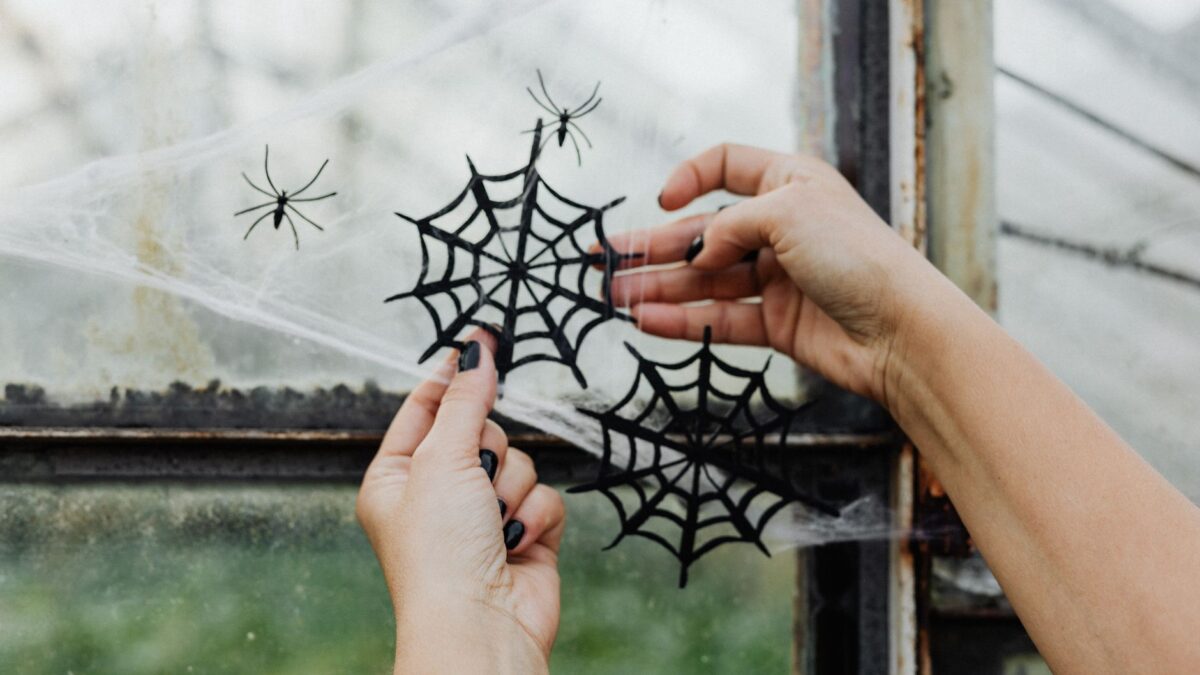
To get rid of spiders in the house, vacuum webs and egg sacs, reduce clutter, cut down the insects they feed on, and seal gaps around windows, doors and pipes. Most house spiders are harmless and even helpful, so sprays are rarely needed. The main exceptions in the US are black widows and brown recluses: avoid handling them, and get medical care promptly if you think one has bitten you.
What you need
- A vacuum with a hose and crevice tool
- A long-handled duster or broom for high corners
- Sticky monitoring traps
- Caulk, weatherstripping and door sweeps
- Window screens in good repair
- Gloves for basements, garages and stored boxes
Why spiders come inside
Spiders are predators. They show up where there is shelter and food, which means quiet corners, clutter and other insects. Many species live their whole lives indoors; others wander in during late summer and fall. If you see lots of spiders, it often means you also have lots of small insects, usually attracted by outdoor lights or moisture.
Step 1: Remove webs and egg sacs
- Vacuum webs, spiders and egg sacs from ceilings, corners, window frames, behind furniture and under shelves.
- Empty the vacuum or seal the bag and put it in an outdoor trash can, so egg sacs don’t hatch inside.
- Repeat weekly for a few weeks, then make it part of regular cleaning. Our guide to cleaning baseboards covers the edges spiders like.
For a single spider you’d rather keep alive, trap it under a cup, slide paper underneath and release it outside.
Step 2: Take away shelter
- Clear clutter in basements, garages, closets and under beds. Our guide to decluttering your home has a room-by-room plan.
- Store items in sealed plastic bins rather than open cardboard boxes.
- Shake out shoes, gloves and clothes that have been stored in garages or sheds before wearing them.
- Move firewood, leaves and stacked materials away from the house walls.
- Trim plants touching the house.
Step 3: Cut the food supply
- Switch outdoor lights to warmer or yellow bulbs, or turn them off when not needed; bright lights draw insects that spiders follow.
- Keep window screens in good repair.
- Fix moisture problems in basements and crawl spaces that attract insects.
- Deal with other pests such as ants or flies; fewer insects means fewer spiders.
Step 4: Seal the gaps
Caulk cracks around window frames and where pipes, cables and vents pass through walls. Add weatherstripping and door sweeps to exterior doors, including the garage door. This also cuts drafts and keeps out other pests.
Step 5: Monitor with sticky traps
Sticky traps placed flat along walls, behind furniture and in basements show which spiders you have and where. Check them regularly. They are especially useful if you are worried about brown recluses, because they can show whether recluses are present before anyone gets bitten. Keep traps away from pets and children.
Do you need a spray?
Usually not. Sprays don’t stop new spiders from wandering in, and indoor treatments often miss them in hidden spots. If you do use a product, choose an EPA-registered one labeled for spiders and for the place you plan to use it, and follow the label exactly. The label is the law. Keep children and pets out of treated areas as directed. If someone swallows, inhales or gets a pesticide in the eyes, call Poison Control at 1-800-222-1222 (US) or emergency services.
Black widows and brown recluses
These are the two US spiders of most medical concern. Both are shy and bite mainly when pressed against skin, such as when you put on a shoe or reach into a box.
| Black widow | Brown recluse | |
|---|---|---|
| Appearance | Shiny black, often with a red hourglass marking under the abdomen | Light to medium brown, with a darker violin-shaped mark on the front body section |
| Where in the US | Found across North America; most common in the southern and western US | Mostly Midwestern and southern states |
| Where in the home | Garages, sheds, woodpiles, under outdoor furniture | Undisturbed boxes, closets, attics, basements |
| Bite symptoms (per CDC/NIOSH) | Pain at the bite that can spread to the chest, abdomen or whole body | Stinging and local pain; often a small white blister; can develop into a sore |
Many brown spiders are mistaken for brown recluses, and many skin wounds blamed on spiders are something else. If you are not sure what you have, a local extension office can often identify a spider from a sample or a clear photo. The CDC’s NIOSH has an overview of venomous spiders.
If you think you’ve been bitten
- Get medical care promptly if you suspect a black widow or brown recluse, or if you’re not sure what bit you.
- Seek emergency care for severe pain, stomach cramping, trouble breathing or swallowing, or a wound that grows or shows spreading redness.
- Clean the bite with soap and water. If you can do so safely, bring the spider (in a sealed container) or a photo to help with identification.
- For questions, call Poison Control at 1-800-222-1222.
When to call a pro
Call a licensed pest professional if you find several brown recluses on sticky traps, black widows in or near living areas, or if spiders keep returning despite cleaning and sealing. A pro can inspect wall voids, crawl spaces and attics.
Bottom line
Most house spiders are harmless. Vacuum webs and egg sacs, clear clutter, cut back the insects they eat and seal gaps. Use sticky traps to monitor, and skip routine spraying. Learn to recognize black widows and brown recluses, wear gloves in storage areas, and see a doctor promptly for any suspected bite from them.
FAQ
Do peppermint oil or vinegar sprays repel spiders?
There is little reliable evidence that they do. Removing webs, clutter and insects, and sealing gaps, works better.
Why do I see more spiders in the fall?
Many male spiders wander in search of mates in late summer and fall, and some species move indoors as it cools.
Are daddy longlegs dangerous?
No. The long-legged spiders often called daddy longlegs or cellar spiders are not considered a medical concern.
Should I kill every spider I see?
Not necessarily. Harmless spiders eat other pests. Vacuum or relocate them if you prefer, and focus on prevention.