How to Get Rid of Clothes Moths: Clean, Wash or Freeze, Then Store Smart
The moths you see flying are not the ones eating your sweaters. Here is how to find the larvae, kill them with heat or cold, use pheromone traps wisely and avoid mothball mistakes.
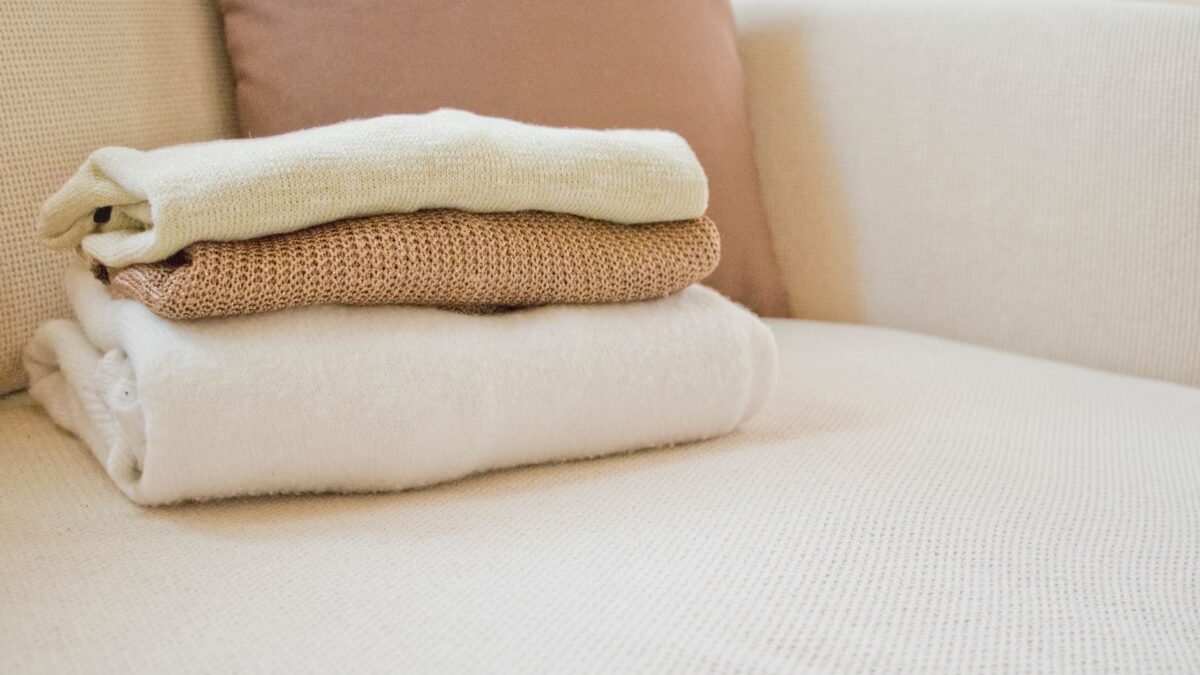
To get rid of clothes moths, find and remove the larvae: empty the closet or drawer, then wash, dry-clean or freeze every item made of wool, silk, fur, feathers or other animal fibers, and vacuum shelves, corners and carpet edges thoroughly. Store clean items in sealed containers. Pheromone traps help you monitor, but they do not end an infestation, and mothballs are pesticides that must be used only as the label says.
It is the larvae, not the adult moths, that make holes. They feed on keratin, the protein in animal fibers, and are drawn to soiled clothes with sweat, food or skin oils on them.
What you need
- A flashlight
- A vacuum with a crevice tool
- Laundry detergent, or access to a dry cleaner for dry-clean-only items
- Freezer bags or sealed plastic bags
- Airtight plastic bins or zippered garment bags
- Pheromone traps for monitoring (optional)
Clothes moth or pantry moth?
Small moths in the kitchen are usually pantry moths, which feed on grains, flour, nuts and dried fruit, not clothes. They need a different fix: clearing out infested food and storing dry goods airtight. See how to organize a pantry for that. Clothes moths are small, buff or golden, and tend to flutter or run in dark closets rather than fly toward lights.
Webbing vs casemaking clothes moths
| Type | Signs | Where to look |
|---|---|---|
| Webbing clothes moth | Silky webbing and tunnels on fabric; small droppings the color of the fabric | Under collars, in folds and seams, under furniture, on wool rugs |
| Casemaking clothes moth | Larvae carry a small tube-shaped case made of silk and fibers | Same places; cases may be stuck to fabric or walls |
Treatment is the same for both. Damage is often in hidden places: under collars, the undersides of rugs and the backs of stored sweaters.
Step 1: Empty and inspect
- Take everything out of the affected closet, drawers or storage boxes.
- Check each item in good light for holes, webbing, cases, larvae or eggs. Pay attention to wool, cashmere, silk, fur, felt, feathers and blends.
- Look beyond clothes: wool rugs, upholstery, piano felts, wall hangings, taxidermy and pet hair collecting in corners can all feed larvae.
- Separate items into wash, dry-clean, freeze and discard piles. Badly damaged pieces may not be worth saving.
Step 2: Kill eggs and larvae
Washing or dry cleaning
Washing removes eggs and larvae and the soil that attracts them. Use the warmest water the care label allows, and dry with heat if allowed. Dry cleaning also works for dry-clean-only items. Check our guide to laundry care symbols before washing wool or silk.
Freezing
Freezing is useful for items you can’t wash, such as delicate knits or wool accessories.
- Seal the item in a plastic bag and squeeze out excess air.
- Put it in a freezer at 0°F (-18°C) or colder. Maine’s Board of Pesticides Control says temperatures below 0°F are almost always lethal after 72 hours. If your freezer runs warmer, or the item is thick, leave it longer; a week or more is a common safety margin.
- Let the bag come back to room temperature before opening, so condensation forms on the outside of the bag, not on the fabric.
- Brush or shake the item outdoors, then store it clean.
Step 3: Clean the closet
- Vacuum thoroughly: shelves, corners, baseboards, carpet edges and under furniture. Larvae hide in lint and pet hair.
- Wipe shelves and drawers with warm soapy water and let them dry.
- Empty the vacuum into a sealed bag and put it in an outdoor trash can.
- Repeat vacuuming every week or two for a while to catch anything that hatches.
Step 4: Store clothes so moths can’t reach them
- Store only clean clothes. Wash or dry-clean wool before putting it away for the season.
- Use airtight bins or sealed bags for off-season wool and silk.
- Wear and air items often. Moths prefer dark, undisturbed places.
- Keep closets uncrowded so you can spot problems early. Our guide to organizing a closet includes seasonal rotation.
Pheromone traps: for monitoring, not cure
Pheromone traps attract adult male clothes moths. They tell you whether moths are present and whether numbers are falling after cleaning. They do not catch females or larvae, so they will not end an infestation by themselves. Place them in closets and near wool rugs and replace them as the package directs.
Cedar: what it can and can’t do
Cedar closets, blocks and hangers have a pleasant scent, but their effect on moths is limited and fades as the oils evaporate. Cedar may discourage some activity but is not a reliable way to kill eggs or larvae. Use it as a supplement to clean storage, not instead of it. Sanding cedar blocks refreshes the scent for a while.
Mothballs: pesticides with strict label rules
Mothballs and flakes contain naphthalene or paradichlorobenzene, both registered pesticides. University of Florida IFAS points out that their labels are legally enforceable, and registered labels generally limit use to airtight containers, with the vapors held inside with the clothing. Common problems come from ignoring that:
- Don’t scatter mothballs in open closets, drawers, attics or around the yard. The fumes build up in living spaces, and outdoor use (for snakes or squirrels) is not allowed by the label.
- Don’t mix naphthalene and paradichlorobenzene products.
- Keep them away from children and pets. Mothballs can look like candy.
- Air out clothes outdoors before wearing them.
- Some labels warn that paradichlorobenzene can damage certain plastics.
UF/IFAS has a clear guide to using mothballs correctly. If someone swallows, inhales or gets a mothball product in the eyes, call Poison Control at 1-800-222-1222 (US) or emergency services.
When to call a pro
Call a licensed pest professional if moths keep turning up after a careful clean, if wool carpets or upholstery are heavily infested, or if you have valuable textiles. For heirlooms, a museum conservator or professional cleaner may be a better first call.
Bottom line
Empty and inspect, then wash, dry-clean or freeze animal-fiber items to kill eggs and larvae. Vacuum the closet carefully and repeat for a few weeks. Store only clean clothes in sealed containers. Use pheromone traps to monitor, treat cedar as a nice extra, and use mothballs only in airtight containers exactly as the label says.
FAQ
Do clothes moths eat cotton or polyester?
They mainly feed on animal fibers. They may damage blends or synthetics that are heavily soiled, but wool, silk and fur are their main targets.
Does lavender keep moths away?
Like cedar, it may have a mild effect at best. It does not kill eggs or larvae. Clean storage matters far more.
How long does it take to get rid of clothes moths?
A thorough clean can solve a small problem quickly, but keep vacuuming and checking traps for a couple of months, since eggs can hatch after your first clean.
Can I just put my sweaters in the dryer?
Heat kills larvae, but many wool items shrink in a hot dryer. Follow the care label, and use freezing for items that can’t take heat.