How to Clean a Glass Stove Top Without Scratching It
Glass and ceramic cooktops stay clear with a daily wipe, a cooktop cleaning cream and a razor scraper used the way manufacturers describe. Sugary boil-overs are the one spill that cannot wait.
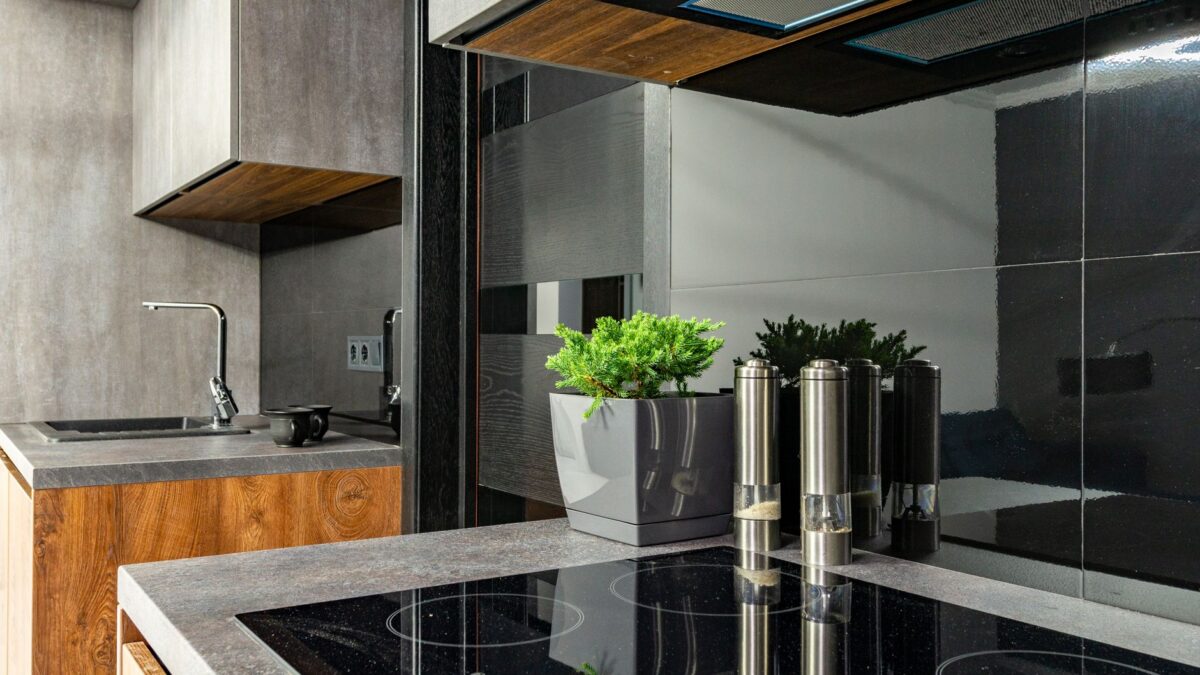
To clean a glass stove top, let it cool, wipe it with a damp microfiber cloth and dish soap, then use a cooktop cleaning cream for haze and a single-edge razor scraper held at a shallow angle for burnt-on spots. Never use steel wool, scouring powder or a dull or nicked blade. The exception to “let it cool”: sugary spills and melted plastic should be scraped off right away, carefully, because they can pit the glass as they cool.
Glass-ceramic tops on radiant and induction cooktops are tough but scratch more easily than they look. A few minutes after cooking saves a lot of scraping later.
What you need
- Microfiber cloths or a soft sponge
- Dish soap and warm water
- A ceramic/glass cooktop cleaning cream (check that your manufacturer approves its use)
- A single-edge razor scraper made for cooktops, with a sharp, undamaged blade
- An oven mitt (for hot sugary spills)
- Paper towels
Daily wipe (two minutes)
- Wait until the surface is cool, or at least the hot-surface light is off.
- Wipe with a damp cloth and a drop of dish soap to remove grease and drips.
- Dry with a clean microfiber cloth to prevent water spots and streaks.
Doing this after each meal keeps residue from being cooked on again the next time you use the burner, which is how most stubborn brown rings form.
Burnt-on spills: the razor scraper method
Most glass cooktop manufacturers approve a razor scraper. GE and Café use-and-care guides describe holding it at about 45 degrees to the glass; some other manuals specify around 30 degrees. If your manual gives an angle, follow it. In all cases the blade should be sharp and free of nicks.
- Let the cooktop cool (except for sugar or plastic; see below).
- Apply a little cooktop cream to the residue to soften and lubricate it.
- Hold the scraper at a shallow angle and push gently across the residue in short strokes. Let the blade do the work; heavy pressure is not needed.
- Wipe away loosened residue with a damp paper towel.
- Polish with a few more drops of cream and a clean paper towel or cloth, then buff dry.
Keep the scraper’s blade cover on when stored, and out of reach of children.
Sugary boil-overs and melted plastic
Jam, syrup, candy and sugary sauces are the exception to the wait-until-cool rule. GE notes that sugary spills or melted plastic can pit the glass unless removed while still hot. Samsung gives similar advice.
- Turn off the burner and move the pan off the zone.
- Put on an oven mitt. The glass is very hot, and there is a real burn risk.
- Use the razor scraper to push the spill to a cool area of the cooktop.
- Let it cool, then wipe it up and finish with the normal cleaning steps.
If sugar has already cooled and hardened on a zone, some manufacturers advise warming the zone slightly before scraping. Don’t use that burner for cooking until all residue is gone.
What is safe and what scratches
| Use | Avoid |
|---|---|
| Microfiber cloth, soft sponge | Steel wool and metal scouring pads |
| Dish soap and water | Scouring powders and gritty cleansers not labeled for glass cooktops |
| Cooktop cleaning cream | Green-backed abrasive sponges |
| Sharp razor scraper at a shallow angle | Dull or nicked blades, knives, metal spatulas |
| Baking soda paste, gently, for light stains | Chlorine bleach, ammonia-based glass sprays on a hot surface, oven cleaner |
General glass sprays are not designed for cooktops and are not needed; stick to the cleaners your manual lists. Commercial oven cleaner is far too harsh for cooktop glass.
About baking soda and vinegar
A layer of baking soda with a warm, damp towel on top for 15 minutes can help lift light, greasy film, and a gentle rub with the paste is unlikely to harm the glass. Rinse and dry well so no white haze is left. You can wipe with diluted white vinegar afterward to clear streaks, but use the two separately; mixed together they mostly neutralize each other. See our explainer on baking soda and vinegar cleaning for where each works best.
Preventing scratches and stains
- Lift, don’t slide cookware, especially cast iron and stoneware with rough bottoms.
- Use flat, clean pan bottoms. Grease or burnt residue on the base of a pan transfers onto the glass and bakes on.
- Don’t use the cooktop as a counter. Grit under a heavy object can scratch it.
- Keep plastic away from hot zones; bags and utensils melt quickly.
- Match pan size to burner to reduce boil-overs reaching other zones.
Pans with a burnt base are often the culprit behind brown rings. Our guide to cleaning a burnt pan shows how to fix the bottom by material.
Chemical safety
Follow the directions on any cooktop cleaner, wear gloves if the label suggests it, and keep the kitchen ventilated. Do not combine different cleaning products. If someone swallows, inhales or gets a cleaning product in the eyes, call Poison Control at 1-800-222-1222 (US) or emergency services.
Bottom line
Wipe a glass cooktop when cool after each use, keep a cooktop cream and a sharp razor scraper for burnt spots, and scrape sugary spills off immediately with an oven mitt on. Skip steel wool, powders and dull blades, and your manual’s guidance on angle and cleaners always wins.
FAQ
Will a razor blade scratch my glass cooktop?
A sharp, undamaged blade held at a shallow angle, as described in many manufacturer manuals, should not scratch it. Dull or nicked blades, or using the corner, can.
How do I get rid of white haze or rings?
Hard-water spots and leftover cleaner cause most haze. Use a cooktop cream, then buff dry. Rings that stay after cleaning may be marks from pan bottoms or permanent discoloration from metal transfer.
Can I use Windex on a glass stove top?
It is not designed for cooktops, so check your manual before using it. Dish soap and water, then a cooktop cream your manufacturer approves, is the safer routine.
Are induction tops cleaned the same way?
Yes. Induction cooktops use similar glass-ceramic, and the same tools and cleaners apply. They usually have fewer burnt-on spills because the glass heats only from the pan.