How to Get Stains Out of White Clothes Without Ruining Them
Treat stains early, match the method to the stain type, and avoid heat and chlorine bleach on some fabrics. A step-by-step guide to brighter white clothes.
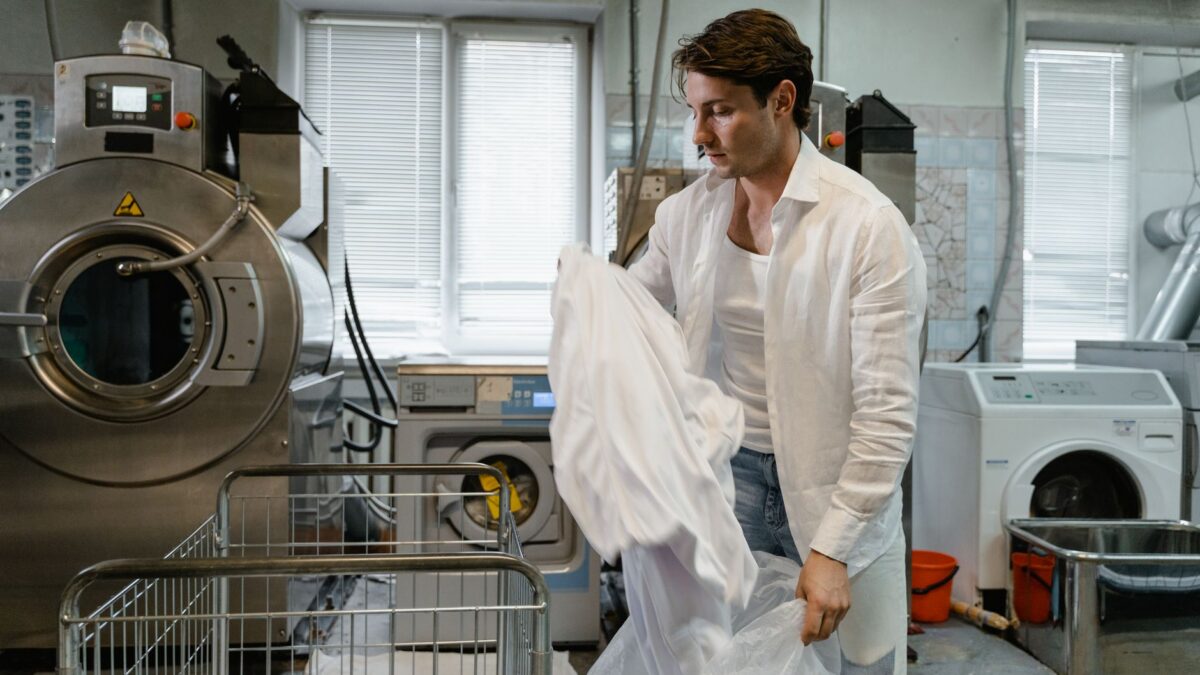
To get stains out of white clothes safely, act quickly, rinse from the back with cold water, treat the stain with the right product for its type, and wash without drying until the stain is gone. Heat sets many stains, and the wrong bleach can turn white fabric yellow or weaken it, so the order of steps matters.
Start with the care label
Check the label before you use anything. It tells you the fibers, the maximum wash temperature and whether bleach is allowed. Cotton and linen usually tolerate stronger treatment. Wool, silk and some synthetics do not, and chlorine bleach can damage or yellow them. If the label says dry-clean only, take the item to a professional.
The universal first steps
- Remove excess. Lift off solids with a spoon or dull knife. Blot liquids with a clean cloth. Do not rub, which pushes the stain deeper.
- Rinse from the back. Run cold water through the back of the stain so it flushes out, not further in.
- Pretreat. Apply liquid laundry detergent or a stain remover directly to the spot, work it in gently and let it sit for 10 to 15 minutes.
- Wash, then check. Wash on the warmest setting the label allows. Check the stain while the item is still wet.
- Do not machine-dry until it is gone. Heat can set the stain for good. If a mark remains, treat it again and air-dry.
Match the method to the stain
- Protein stains (blood, sweat, egg, milk): use cold water first, since hot water sets protein. An enzyme detergent helps break these down.
- Grease and oil (butter, salad dressing, cooking oil): work a few drops of dish soap into the spot, let it sit, then wash in warm water. For more detail, see how to remove grease stains from clothes.
- Tannin stains (coffee, tea, wine, juice): flush with cold water, then soak in an oxygen-based bleach solution mixed to the package directions. These guides cover coffee stains and red wine.
- Underarm yellowing: this is a buildup of sweat, deodorant and body oils. Soak in warm water with oxygen bleach or an enzyme laundry booster, then wash.
- Mud and grass: let mud dry, brush it off, then pretreat with detergent. Grass often responds to an enzyme detergent.
- Ink and makeup: blot with rubbing alcohol on a pad placed under the stain, then wash. Test on a hidden area first.
Oxygen bleach vs chlorine bleach
Oxygen bleach (sodium percarbonate products) is the safer choice for most white and colorfast fabrics. Dissolve it in warm water according to the label and soak the item for a few hours, or follow the product’s directions. It brightens and lifts stains without the harshness of chlorine.
Chlorine bleach can whiten sturdy white cotton, but it can weaken fibers, and on some fabrics, such as silk, wool, spandex and some synthetics, it causes yellowing or damage. Always follow the label, dilute as directed and rinse well.
Never mix bleach with ammonia, vinegar or other cleaners, since this can release dangerous fumes. Use one product at a time, ventilate the room and keep products away from children and pets. If someone is exposed to fumes or swallows a product, call Poison Control (1-800-222-1222 in the US) or emergency services.
Common mistakes
- Rubbing the stain instead of blotting
- Using hot water on protein stains
- Drying the item before the stain is gone
- Overloading the washer, which stops detergent reaching the stain
- Using too much detergent, which can leave residue that dulls whites
- Washing whites with colors, which causes a gray or dingy look
Keeping whites bright
Wash whites separately from colors, use the recommended amount of detergent and add an oxygen booster from time to time. Remove sweaty clothes promptly rather than letting them sit in a hamper. Treat spills the same day where possible, and store clean, fully dry items to avoid mildew. If clothes have developed musty spots, see our guide to mold on clothes.
Quick answers
Does baking soda whiten clothes?
It can boost cleaning and help with odors as a laundry booster, but it is not a strong stain remover. Use a proper stain remover or oxygen bleach for set-in marks.
What if the stain is already dry?
Soak the item in cool water with detergent or oxygen bleach for several hours, then pretreat and wash. Old stains may need two or three rounds.
Why did my white shirt turn yellow after bleaching?
Chlorine bleach can react with some fabrics, or with sweat and deodorant residue, and cause yellow marks. Switch to oxygen bleach and rewash.
Is it safe to wash whites in hot water?
Often yes for sturdy cotton, but follow the label. Hot water can shrink some fabrics and set protein stains, so use cold for those first.