How to Remove Grease Stains From Clothes, Carpet, Walls and Concrete
Grease is oil, so water alone won't move it. Absorb what you can, break it up with dish soap, and keep heat away until the stain is really gone.
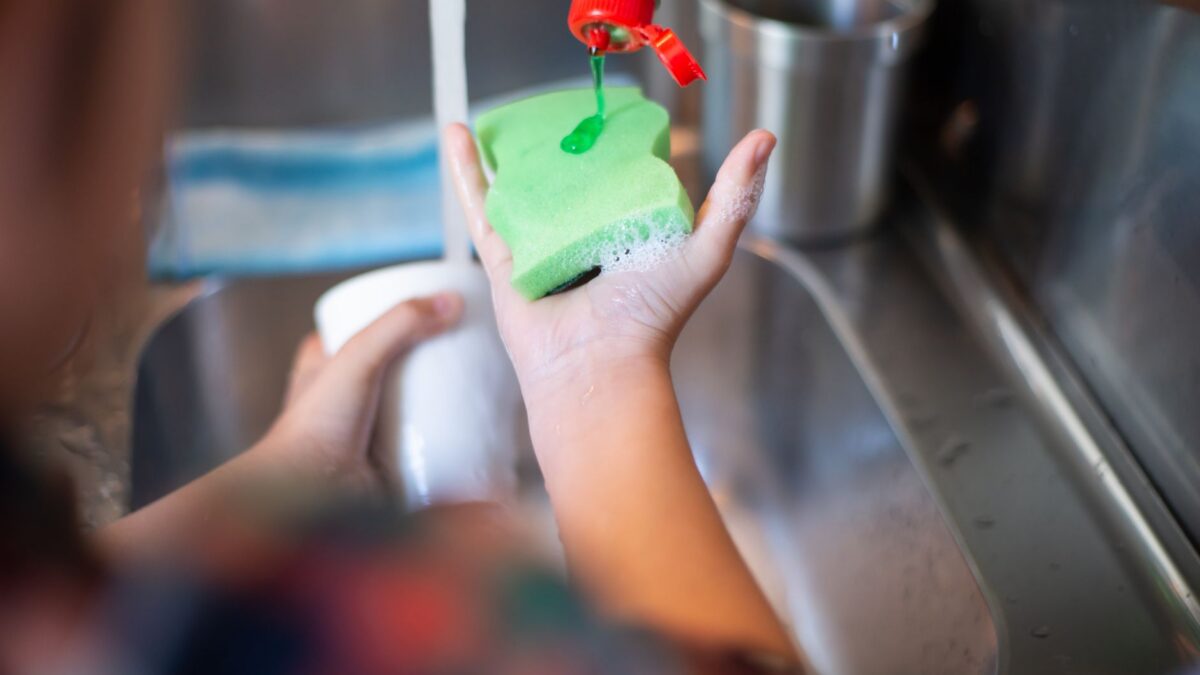
To remove a grease stain, blot off excess oil, cover the spot with cornstarch or baking soda for 15 to 30 minutes, then work in a drop of grease-cutting dish soap and wash or rinse with the warmest water the material can take. On clothes, air-dry and check before using the dryer, since heat can set leftover oil. Solvent-based spot removers work on stubborn marks but are often flammable, so use them sparingly with good ventilation.
Grease and cooking oil don’t dissolve in water. Dish soap works because it’s designed to surround oil and carry it away in rinse water. The order matters: absorb first, then detergent, then rinse.
What you need
- Paper towels or a dull knife for lifting excess grease
- Cornstarch or baking soda (clay cat litter for driveways)
- Clear liquid dish soap
- A soft brush or old toothbrush
- Laundry detergent, ideally a heavy-duty liquid
- Optional: a solvent-based spot remover or dry-cleaning fluid for set stains
Grease stains on clothes
- Blot, don’t rub. Lift surface grease with a paper towel or scrape gently with a dull knife.
- Absorb. Sprinkle cornstarch or baking soda over the stain, wait 15 to 30 minutes, then brush it off. Repeat if the powder looks oily.
- Pretreat with dish soap. Work a few drops of liquid dish soap or heavy-duty liquid laundry detergent into the stain from both sides. Let it sit for 10 to 15 minutes.
- Wash warm. Launder in the hottest water the care label allows. Warm or hot water helps loosen oil more than cold.
- Air-dry and check. Look at the spot in good light while the garment is damp and again when dry. Don’t put it in the dryer until the stain is gone.
- Repeat or escalate. If a shadow remains after drying, repeat the dish soap step. For a persistent stain, extension guides suggest letting the garment dry and then sponging it with a grease solvent before washing again (see the New Mexico State University stain guide).
Old grease stains often show up only after washing, as a darker patch that looks wet. That is oil still in the fabric. Treat it the same way, giving the soap longer to work.
Check the care tag before pretreating delicate fabrics; our guide to laundry care symbols explains the codes. For dry-clean-only items, blot, absorb with powder and take it to a cleaner.
Grease on carpet and upholstery
- Blot up excess grease. Sprinkle cornstarch or baking soda, leave it for 30 minutes, and vacuum.
- Mix about a teaspoon of dish soap in a cup of warm water. Dab it on with a white cloth, working from the edges in, and blot.
- Rinse by blotting with a cloth dampened in plain water. Leftover soap attracts dirt.
- Press with dry towels and let the area dry fully.
- For a stubborn spot, use a carpet spot remover labeled for oil or grease, following the label and testing on a hidden area first.
On upholstery, check the cleaning code on the tag first. A “W” means water-based cleaners are fine; “S” means solvent cleaners only; “X” means vacuum only and leave the rest to a professional.
Grease on painted walls
Kitchen walls and switch plates collect cooking grease. Mix a little dish soap in warm water, wring a soft sponge until it’s barely damp, and wipe the area gently. Rinse with a clean damp sponge and dry with a towel. Test on a hidden area first: flat and matte paints can lose their finish if scrubbed. Avoid abrasive pads. For more on paint finishes, see how to clean walls.
Oil and grease on a concrete driveway
- Absorb fresh oil quickly. Cover the spot with clay cat litter, sawdust or baking soda. Grind it in with your shoe and leave it for several hours or overnight, then sweep it up.
- Scrub with detergent. Wet the area, scrub with a stiff brush and a strong dish soap or a concrete degreaser used as the label directs.
- Rinse carefully. Use as little water as possible and soak up the dirty water with more absorbent rather than hosing it into the street. Storm drains generally carry water to local streams without treatment.
- Dispose properly. Bag used absorbent and check your local rules for disposing of oily waste.
Older, deep stains may only fade, not disappear. Pressure washing helps on sealed concrete but can etch unsealed surfaces.
Which method for which surface
| Surface | First step | Next step | Avoid |
|---|---|---|---|
| Washable clothes | Cornstarch, then dish soap | Hot wash if the label allows | Dryer before the stain is gone |
| Carpet | Absorb and vacuum | Dish soap solution, rinse | Soaking the carpet |
| Painted walls | Barely damp sponge with dish soap | Rinse and dry | Abrasive pads on flat paint |
| Concrete | Cat litter or sawdust | Degreaser and stiff brush | Hosing oil into storm drains |
Solvent and fire safety
Solvent spot removers, dry-cleaning fluids, mineral spirits and rubbing alcohol can cut grease that soap can’t, but many are flammable and give off fumes.
- Read the whole label and follow it exactly, including any glove directions.
- Work outdoors or with windows open and a fan running.
- Keep solvents away from stoves, pilot lights, candles, cigarettes and sparks.
- Never put an item with solvent still in it into a washer or dryer. Let it air out completely outdoors first, then wash.
- Don’t mix solvents with each other or with other cleaners.
- Store products in original containers, out of reach of children and pets.
- If someone swallows, inhales or gets a cleaning product in the eyes, call Poison Control at 1-800-222-1222 (US) or emergency services.
Bottom line
Absorb first, dish soap second, warm water third, and keep the dryer out of it until the stain is gone. Save solvents for the stubborn leftovers and treat them as the flammable products they are. For gravy and other mixed food stains, see getting gravy out of a tablecloth.
FAQ
Can I remove a grease stain after it has been through the dryer?
Often, yes. Apply dish soap, let it sit longer, and wash again in the warmest water the label allows. Repeat a few times before giving up.
Does baking soda remove grease?
It absorbs fresh oil and is a good first step, but it won’t lift a set stain on its own. Follow with dish soap.
Is WD-40 good for grease stains?
It is a petroleum-based product, not a laundry product. Stick to dish soap and products labeled for fabric stains.
How do I get grease off a stovetop backsplash?
Warm water and dish soap on a soft cloth handle most grease. Rinse and dry so a film doesn’t attract more dust.