How to Remove Rust From Metal: Tools, Patio Furniture and Chrome
Light rust comes off with vinegar, baking soda or fine abrasives; heavy rust needs sanding and a rust converter. Steps for tools, patio furniture and chrome.
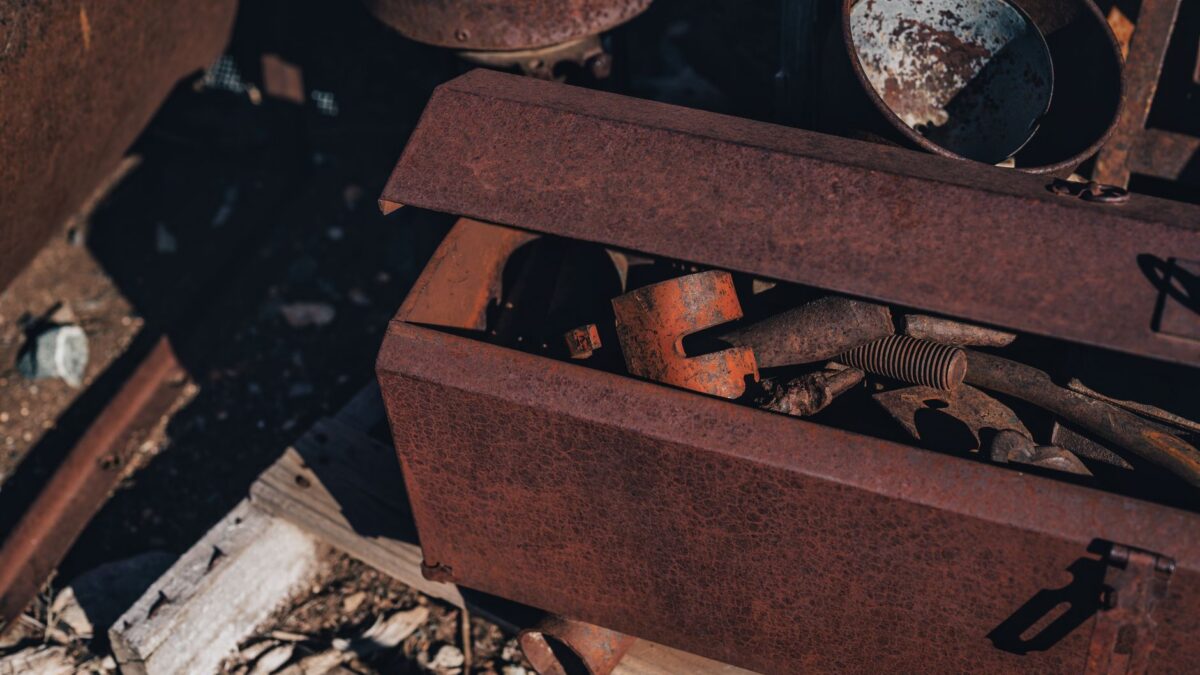
Surface rust on tools, outdoor furniture and chrome comes off with household acids such as white vinegar, a paste of baking soda and water, or gentle abrasion with steel wool, a wire brush or sandpaper. Deep, flaking rust needs more work: sanding to bare metal, then a rust converter or primer and paint. Chrome is a thin plating over metal, so it takes the gentlest method that works.
Whatever the method, wear gloves and eye protection, work in a ventilated space, and never mix cleaners with each other. Use one product at a time and rinse the metal before trying another.
How do you remove rust from tools?
Soak small tools such as wrenches, pliers and hand planes in undiluted white vinegar. Light rust usually loosens within a few hours, and heavier rust can take overnight. Check the tool often, since a long soak can start to pit clean steel. Lift it out, scrub with a brush or a ball of aluminum foil, rinse with water, and dry it at once.
Dry the metal thoroughly right away. Wet steel starts to rust again within hours. Wipe on a thin film of oil, such as mineral oil or a light machine oil, and store tools somewhere dry.
For tools too big to soak, wrap a vinegar-soaked cloth around the rusty part, or scrub with a paste of baking soda and water. A wire brush or a drill attachment removes heavier scale. Wood handles should stay out of the soak because vinegar and water swell and dull them.
What removes rust from outdoor furniture?
Steel and wrought iron furniture needs mechanical removal. Brush away loose flakes with a wire brush, sand the area to bare, shiny metal, and wipe off the dust with a damp rag. Then choose one of two routes.
- Apply a rust-inhibiting primer made for metal, let it dry as the label directs, and finish with an outdoor metal paint.
- Where rust is stubborn and hard to sand, such as in tight corners, brush on a rust converter. These products chemically change rust into a paintable surface. Follow the label, then prime and paint.
Rust on cushions and fabric is a different problem, and so is mildew; see this guide to mildew in outdoor cushions. For cleaning frames by material before repair, the patio furniture cleaning guide covers metal, plastic, wicker and teak.
Aluminum does not rust, though it can form a white powdery oxide. Brushing it off and washing the frame is enough, and rust-removal acids can damage it.
How do you remove rust from chrome?
Start with the mildest option. Chrome plating is thin, and harsh scrubbing can scratch or remove it. Wash the part with dish soap and water first, since some brown spots are dirt.
- Crumple a piece of aluminum foil, dip it in water or white vinegar, and rub the rust spot gently. The foil is softer than the chrome, so it removes rust without cutting the plating in the same way harder pads can.
- Make a paste of baking soda and water, apply it with a soft cloth or an old toothbrush, wait several minutes, then rub and rinse.
- For stubborn spots, use a commercial chrome polish or rust remover labeled safe for chrome, and follow the label.
Avoid coarse steel wool and abrasive scouring powders. If the plating itself is peeling or pitted, the rust is coming from the metal underneath, and polish will not fix it. Bumpers and wheels in that state usually need re-plating or replacement.
Which rust removers are worth using?
Household options are cheap and work on light rust. Commercial removers fall into two broad groups. Acid-based gels and liquids, often made with phosphoric acid or oxalic acid, dissolve rust; chelating and soak products do similar work with less fuss. Rust converters stay on the surface and turn it into a stable, paintable layer.
Read and follow the manufacturer’s label and safety data sheet. Acid products can burn skin and eyes and damage some finishes. Keep them away from children and pets, and never combine them with bleach or other cleaners, which can release dangerous fumes. If a product is swallowed or gets in the eyes, call Poison Control at 1-800-222-1222 in the United States.
How do you stop rust from coming back?
- Dry metal after rain or washing.
- Keep a coat of paint, wax or oil on bare steel.
- Store tools in a dry place and use moisture absorbers in closed toolboxes.
- Touch up chips in paint early, before rust spreads under the coating.
- Cover outdoor furniture or bring it in during wet seasons.
Rust that has spread to sinks, concrete or fabric needs different products. Look at how to remove rust stains from fabric, sinks, tubs and concrete for those cases, and for cooking iron, see cleaning and re-seasoning a cast iron skillet.
Quick answers
Does vinegar remove rust?
Yes, on light surface rust. The acid dissolves iron oxide over several hours. Rinse and dry afterward and oil the bare metal, because vinegar leaves it open to fresh rust.
Is it safe to use steel wool on chrome?
Coarse steel wool scratches chrome. Use aluminum foil, a baking soda paste or a chrome polish instead.
Can rusty metal be painted without removing the rust?
Loose rust has to go first. Paint over flaking rust peels with it. A rust converter or rust-inhibiting primer can be applied over tight, sanded rust, following the product directions.