How to Clean a Dyson Filter (and Other Cordless Vacuum Filters)
Cold water, no detergent and a full day of drying: the simple routine that keeps a stick vacuum's suction strong and protects its motor.
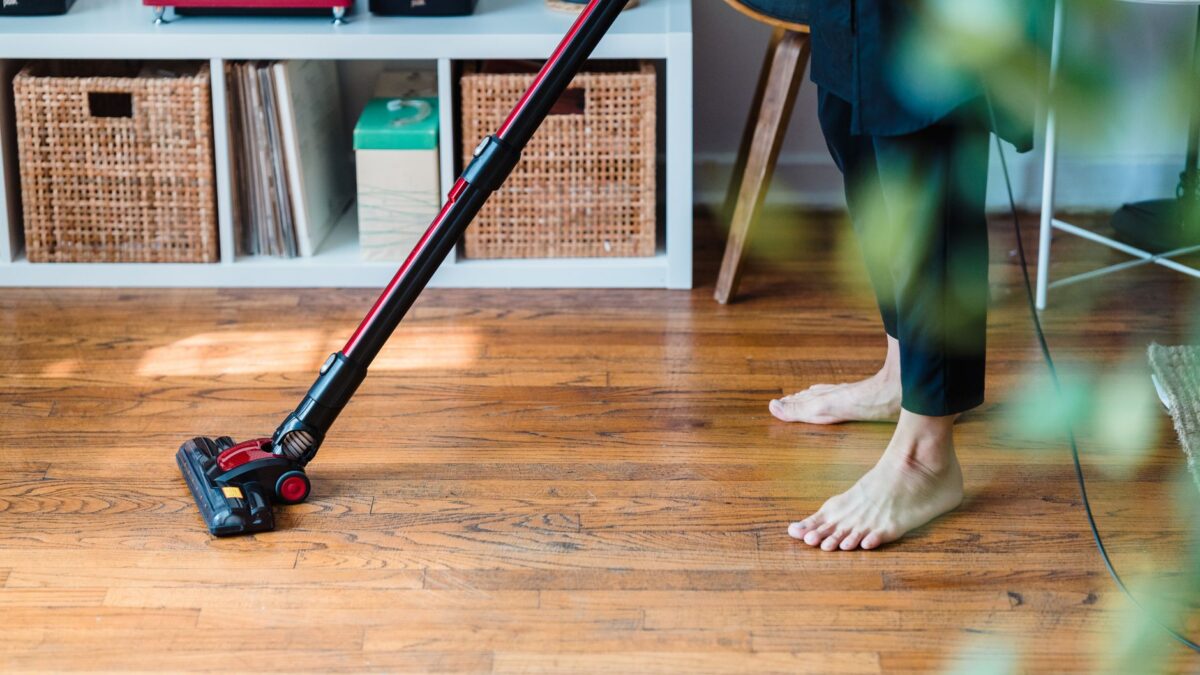
Most cordless stick vacuum filters, including Dyson’s washable ones, are cleaned by rinsing under cold water only, with no detergent, until the water runs clear, then leaving the filter to dry completely for at least 24 hours before refitting. Dyson’s support guidance says to clean the filter at least once a month. The one rule never to break: don’t put a damp filter back in, because moisture can damage the motor.
The same basic method applies to many other brands, but filters differ — some are washable, some must be replaced, and some have a washable pre-filter in front of a non-washable HEPA filter. Always check your model’s manual first. The Clean Machine is independent and not affiliated with any vacuum maker.
Signs your filter needs cleaning
- Suction feels weaker even with an empty bin.
- The vacuum pulses, cuts out or sounds strained.
- A warning light or app alert shows a filter or blockage message.
- A dusty or musty smell comes from the exhaust.
- The filter looks gray, caked or matted.
Before blaming the filter, check the bin, the wand and the brush head for blockages — hair and debris in the brush bar are just as common a cause.
What you need
- A sink with cold running water
- A trash bag or bin for tapping out dust (outdoors is best)
- A dry, well-ventilated spot out of direct heat
- Your model’s manual or the maker’s support page
Step by step: washing a washable filter
- Switch off and unplug. Remove the vacuum from its charger or dock.
- Empty the bin so dust doesn’t fall back into the machine.
- Remove the filter as shown in the manual. On many stick vacuums it twists or pulls out from the top or rear of the main body.
- Tap off loose dust into a bin bag, ideally outdoors. Don’t bang it hard against a surface; that can damage pleats or seals.
- Rinse under cold water only. Let water run through the filter, turn it, and repeat. Some manuals say to gently squeeze or tap a foam pre-filter; follow your model’s instructions. Keep going until the water runs clear.
- Skip the soap. Detergent can leave residue in the filter media. Dyson specifically says to use no detergent.
- Shake out excess water gently.
- Air-dry for at least 24 hours in a warm, well-ventilated place, positioned so water can drain out. If it’s still damp, give it longer.
- Refit only when completely dry.
What not to do
| Don’t | Why |
|---|---|
| Use hot water or detergent (unless your manual allows it) | Can damage filter media or leave residue |
| Put it in a dishwasher or washing machine | Heat and agitation can warp or tear the filter |
| Dry it with a hair dryer, on a radiator, in an oven, microwave or tumble dryer | Heat can deform the filter and seals; also a fire risk |
| Refit it damp | Moisture can reach the motor and electronics, and the filter can go musty |
| Wash a filter marked non-washable | Water can ruin paper or HEPA media; replace it instead |
| Run the vacuum without a filter | Dust can go straight into the motor |
Washable vs replaceable filters
Look on the filter itself or in the manual. Common setups:
- Single washable filter unit. Combines pre- and post-motor filtration; wash the whole unit as directed.
- Washable pre-filter + washable post-motor filter. Both rinse in cold water; each needs full drying.
- Washable foam/mesh pre-filter + non-washable HEPA. Rinse the foam; tap the HEPA clean or replace it on schedule.
- Disposable filter. Replace at the interval the maker gives, or sooner if heavily soiled.
Even washable filters don’t last forever. If one is torn, warped, permanently discolored or still smells after washing and drying, buy a genuine or compatible replacement for your exact model.
Have a spare to avoid downtime
The 24-hour drying time is the main inconvenience. A practical fix is to keep a second filter: swap in the spare when you wash the first. If you don’t have one, wash the filter in the evening after your last vacuuming of the day.
How often to clean it
Dyson recommends at least monthly for its cordless filters, and more often if you vacuum fine dust (plaster, ash, flour) or mostly use boost mode. Other makers give their own intervals. A simple routine:
| Task | How often |
|---|---|
| Empty the bin | After each use |
| Clear hair from the brush bar | Weekly, or when you see wrapping |
| Wash a washable filter | At least monthly (or per manual) |
| Wipe the bin and cyclone shroud | Monthly, with a dry cloth unless the manual allows water |
| Replace non-washable filters | Per manual |
Other parts to clean while you’re at it
- Brush bar: remove it if possible and cut away wrapped hair with scissors, taking care not to cut bristles.
- Bin: some can be rinsed with cold water — only if the manual says so, and only when fully detached from the motor. Dry completely before refitting.
- Wand and tools: check for blockages by looking through them.
Regular filter care is one of the easiest ways to extend a vacuum’s life — see how long vacuums last. If you also own a robot, its filter usually works differently; see how to clean a robot vacuum.
Bottom line
Rinse washable filters in cold water with no soap until the water runs clear, then let them dry for at least a full day before refitting. Never use heat or a dishwasher, never refit a damp filter, and replace filters that are marked non-washable. For your exact model, follow the maker’s instructions, such as Dyson’s cordless filter care page.
FAQ
Can I use soap to clean my vacuum filter?
Dyson says no detergent for its washable filters, and many other makers say the same. Use cold water only unless your manual says otherwise.
Can I speed up drying with a hair dryer?
No. Heat can warp the filter and its seals. Air-dry for at least 24 hours, or use a spare filter in the meantime.
My vacuum still has low suction after washing the filter. Why?
Check for blockages in the wand, brush head and bin inlet, and make sure the filter is fully dry and seated properly. A worn battery can also reduce power in cordless models.
How do I know if my filter is washable?
Look for a “washable” mark or a tap-and-water symbol on the filter, and check the manual. If in doubt, contact the maker rather than guessing.