Is a Wet-Dry Vacuum Worth It? Shop Vacs vs Hard-Floor Washers
Two very different machines share the wet-dry name. Here's who each one suits, what to compare and how to keep it from smelling.
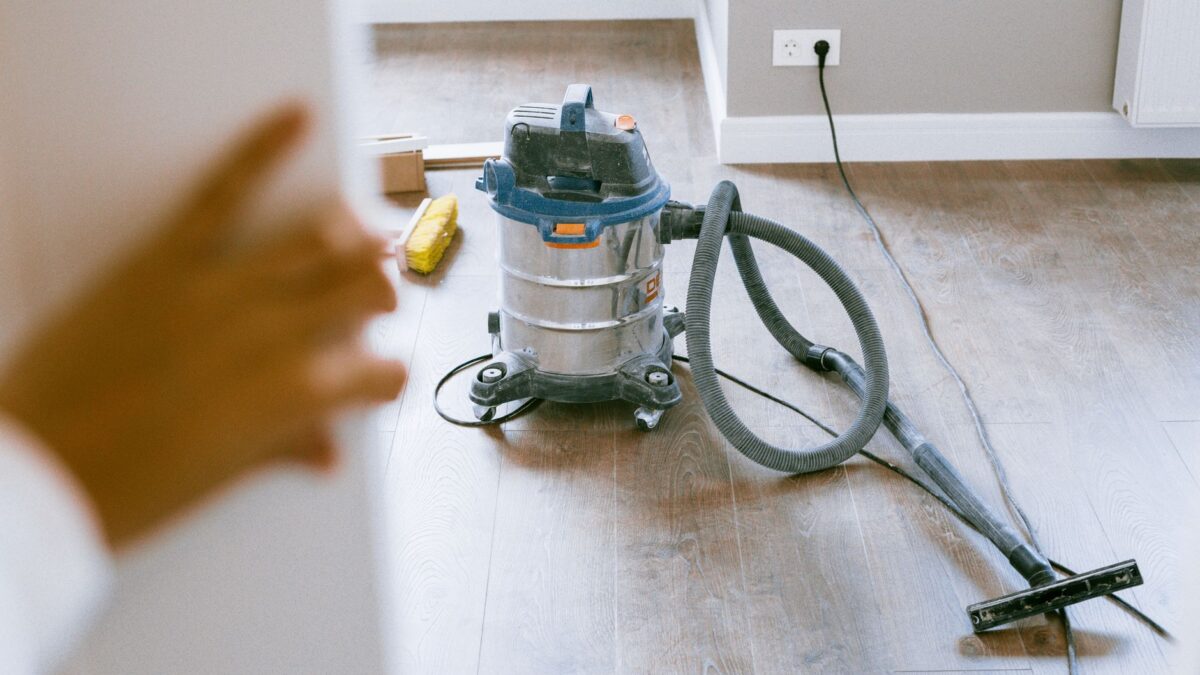
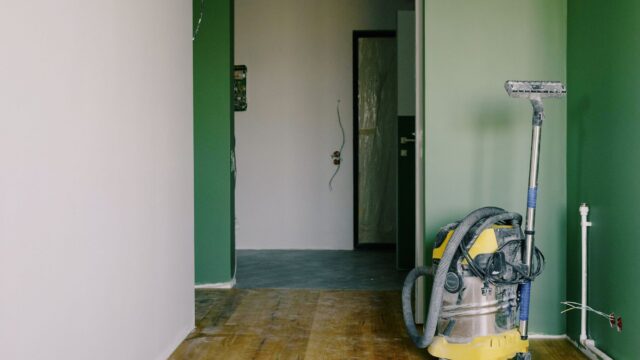
“Wet-dry vacuum” covers two very different machines. A shop vac (a drum-style wet/dry utility vacuum) is worth owning if you deal with garage and workshop debris, spills, small leaks, clogged drains or a basement that sometimes takes on water. A wet-dry hard-floor cleaner (a cordless floor washer that vacuums and mops in one pass) is worth it if you have large areas of sealed hard floor and mop often. Neither is a must-have for every home, and both can start to smell unless you empty and dry them after every wet use.
Two machines, two jobs
| Shop vac (wet/dry utility) | Wet-dry hard-floor cleaner | |
|---|---|---|
| Main use | Spills, water, debris, garage, car, workshop | Daily vacuum-and-mop of sealed hard floors |
| How it works | Powerful suction into a large drum; a float shuts off suction when full | Sprays clean water/solution, scrubs with a wet roller, sucks dirty water into a separate tank |
| Floors | Any surface for pickup; not a floor cleaner | Sealed hard floors that allow damp cleaning; not carpet |
| Power source | Usually corded; some cordless | Usually cordless |
| Key specs | Tank capacity (gallons), motor/peak HP rating, hose diameter and length, filter types | Clean and dirty tank sizes, runtime, self-cleaning cycle, roller drying, weight |
| Ongoing costs | Filters, bags (optional) | Rollers, filters, maker-approved solution |
When a shop vac is worth it
- Water emergencies: an overflowing washer, a leaking water heater, a small basement seep.
- DIY projects: sawdust, drywall offcuts, screws and wood chips (check whether fine dust like drywall or plaster needs a special fine-dust filter or bag).
- Car interiors and garages.
- Clearing clogs in some sink or tub drains, as an alternative to harsh chemical drain openers.
- Outdoor cleanups such as leaves on a patio.
Shop vac specs to compare
- Tank size: larger tanks hold more water but are heavy to empty when full. A drain spout helps.
- Hose diameter: wider hoses resist clogging with chunky debris; narrower hoses suit detail work.
- Filters: many shop vacs need the dry cartridge filter removed or swapped for a foam sleeve before wet pickup; others use a filter rated for both. Follow the manual exactly.
- Peak horsepower: a marketing figure that isn’t a reliable comparison of real-world suction. Compare airflow and water lift figures if listed.
- Noise: shop vacs are loud; hearing protection is sensible for long jobs.
When a hard-floor cleaner is worth it
- Large areas of sealed tile, sealed stone or other water-resistant hard floor.
- Homes with kids or pets where sticky spills and paw prints are a daily thing.
- People who find a mop and bucket hard on the back.
Check your floor first. Many hardwood, laminate and vinyl plank makers limit how much moisture can be used and which cleaners are allowed. A machine that leaves floors damp can be a problem on these surfaces. See how to clean laminate floors and how to clean hardwood floors for what each tolerates.
Hard-floor cleaner specs to compare
- Tank sizes and how easy the dirty tank is to empty and rinse.
- Self-cleaning cycle that flushes the roller and lines in the dock.
- Roller drying (heated or air) — wet rollers left in a dock are the main source of smells.
- Edge cleaning along baseboards.
- Runtime and charging time.
- Solution: most are designed for the maker’s own formula. Other products can foam or damage the machine.
Preventing the dreaded smell
Both types smell when dirty water sits inside them. After every wet use:
- Empty the tank right away — don’t leave dirty water overnight.
- Rinse the tank with clean water.
- Clean or rinse the filter as the manual allows, and let it dry fully.
- Run the self-clean cycle on floor cleaners, then remove and air-dry the roller if your model allows.
- Leave lids open so the tank can dry before you close it up.
- Wipe hoses and nozzles, and hang hoses so water drains out.
Use only the cleaning products your manual approves. Never mix bleach with vinegar, ammonia or other cleaners in a tank, and rinse with plain water between products. If someone swallows, inhales or gets a cleaning product in the eyes, call Poison Control at 1-800-222-1222 (US) or emergency services.
Safety rules for wet pickup
- Electricity and water: plug corded machines into a GFCI-protected outlet, keep the plug and cord out of water, and never stand in water near live electrical outlets or appliances. If water has reached outlets or the electrical panel, keep out and get the power shut off by a qualified person.
- Don’t vacuum flammable liquids (gasoline, solvents), hot ashes or embers, or hazardous materials unless the machine is specifically rated for them.
- Sewage or floodwater carries contamination; wear protective gear and consider professional cleanup.
- Dry everything quickly. The EPA advises drying wet materials within 24–48 hours to prevent mold; see its guide to mold, moisture and your home. For damp spaces afterward, a dehumidifier helps — see does a dehumidifier help with mold?
Is it worth the money?
Ask yourself:
- How often do you deal with water, spills or workshop debris? Once a year may not justify the storage space.
- How much sealed hard floor do you mop each week? If it’s a small kitchen, a regular mop may be fine.
- Do you have storage space for a drum or a floor-cleaner dock?
- Will you commit to emptying and drying it after each use?
If you only need occasional heavy-duty water extraction, renting a machine or borrowing one may be the better value — the same logic as buying vs renting a carpet cleaner.
Bottom line
A shop vac is a strong buy for homeowners with garages, workshops, basements or a history of leaks. A wet-dry floor cleaner is worth it for large, sealed hard floors you mop often. Check your floor’s care guide, use the right filter for wet pickup, follow electrical safety rules, and always empty and dry the tanks after use.
FAQ
Can I use a shop vac as a regular house vacuum?
You can for hard floors and debris, but it’s bulky and loud, and many models don’t filter fine dust as well as a sealed household vacuum unless fitted with a fine-dust filter.
Do I need to remove the filter for wet pickup?
It depends on the model. Many manuals say to remove the paper cartridge or swap to a foam sleeve; others use wet/dry rated filters. Follow your manual.
Can a wet-dry floor cleaner be used on carpet?
Generally no. Most are designed for sealed hard floors and small area rugs only if the manual says so. Use a carpet cleaner for carpets.
Why does my floor cleaner smell?
Dirty water left in the tank and damp rollers. Empty and rinse after each use, run the self-clean cycle and let parts air-dry.