How to Wash Fruit and Vegetables: Plain Water, Baking Soda and What Not to Use
Running water and a little friction clean most produce. Learn when a baking soda soak is optional, how to handle greens and melons, and why soap and bleach are out.
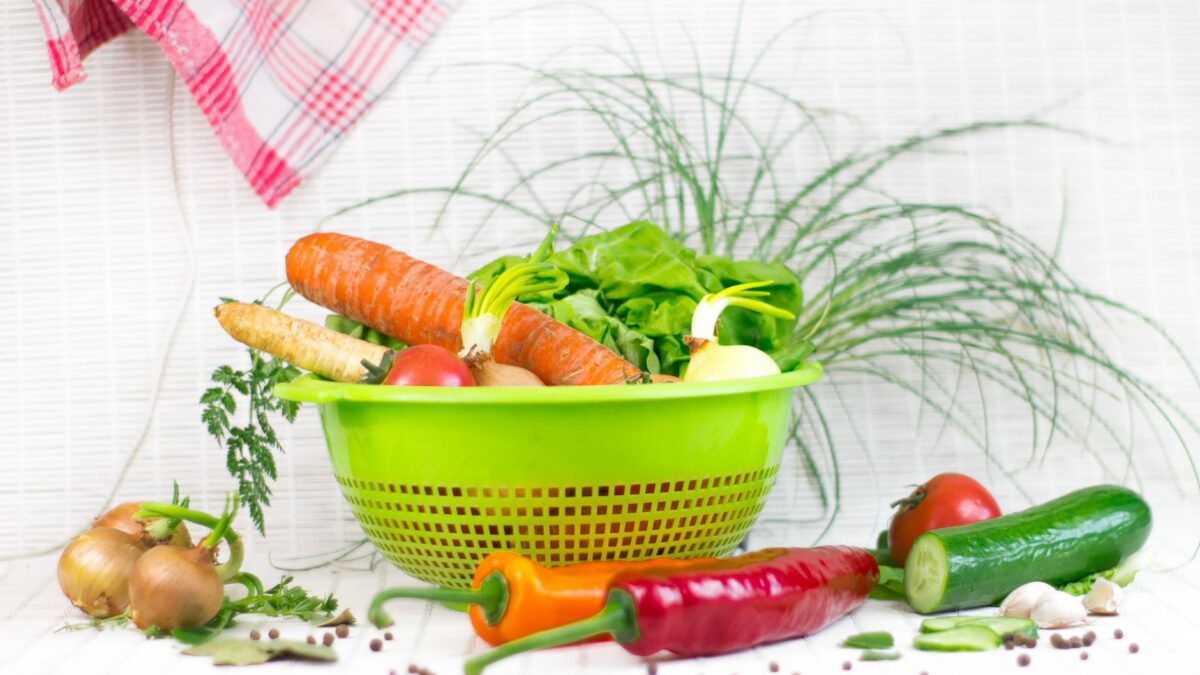
For almost all fruit and vegetables, the best method is the simplest: rinse under cool running water, rub or scrub the surface, then dry with a clean cloth or paper towel. A baking soda soak is an optional extra, not a requirement, and soap, detergent, bleach and commercial disinfectant sprays should never go anywhere near food.
Why washing produce matters
Fruit and vegetables pick up soil, dust and microbes while growing, during harvest and while being handled in shops and at home. Washing removes dirt and reduces the surface germs and residues that come along with it. It does not make produce sterile, which is why washing is one step among several, along with clean hands, clean surfaces and sensible storage.
Wash produce even if you plan to peel it. A knife or peeler passing through the skin can drag surface germs into the flesh. This applies to melons, cucumbers, avocados, citrus and root vegetables alike.
The basic method that works for nearly everything
- Wash your hands with soap and warm water for at least 20 seconds before you start.
- Start with a clean sink, board and knife. A sink that was holding raw meat or dirty dishes a minute ago can undo your work, so rinse and scrub it first.
- Trim first. Cut away bruised or damaged spots, where germs can hide.
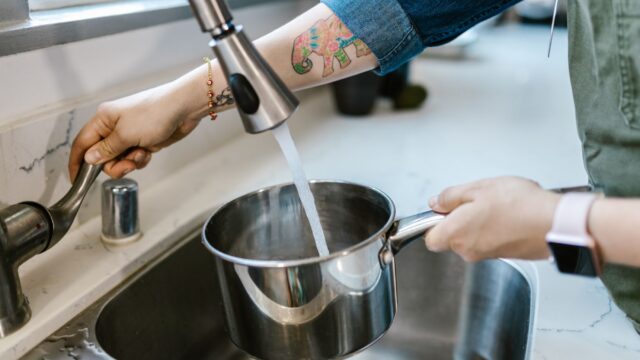
- Rinse under cool running water. Hold the produce in your hands or in a colander and turn it so every surface is covered. Cool tap water is fine; very hot water can soften the skin and encourage uptake of anything on the surface.
- Rub the surface. Use your hands for soft items such as tomatoes, peaches and grapes. Friction does a lot of the real cleaning.
- Dry it. A clean towel or paper towel removes more of what is left on the surface.
Firm produce: scrub with a brush
Potatoes, carrots, beets, turnips, cucumbers, squash and similar items have tough skins and can take a clean vegetable brush. Scrub under running water, paying attention to crevices, stem ends and any dimples. Keep the brush for produce only, rinse it after use and let it dry fully between uses.
Melons, cantaloupe and other rough-skinned fruit need particular care. Scrub the rind before cutting, because the knife carries anything on the outside into the fruit you will eat. Citrus, avocados and mangoes follow the same rule: wash the outside even though you do not eat it.
Leafy greens, herbs and berries
- Lettuce and cabbage: remove and discard the outer leaves, then rinse the rest leaf by leaf under running water.
- Spinach, kale and herbs: swish in a clean bowl of cool water, lift the leaves out so grit stays behind, and repeat with fresh water if you still see soil. Then spin or pat dry.
- Bagged greens labelled “ready to eat”, “washed” or “triple washed”: these do not need rewashing, and extra handling at home can add contamination rather than remove it.
- Berries and grapes: rinse gently just before eating or using. Washing earlier and storing them damp speeds up mould.
- Mushrooms: wipe with a damp cloth or give a quick rinse and dry at once.
Does baking soda help?
Baking soda in water is safe to use on produce, and a short soak can help loosen some surface residues from smooth-skinned items such as apples. It is not necessary for food safety, and it does not reach anything that has soaked into the flesh. If you like using it, dissolve about 1 teaspoon (5 g) in 2 cups (about 500 ml) of cool water, soak firm produce for a few minutes, then rinse well under running water and dry.
Do not soak soft or delicate items such as berries for long, as they absorb water and spoil faster. If you want to understand what baking soda is actually doing in cleaning generally, the guide to baking soda and vinegar cleaning explains where it earns its place.
What not to use
- Soap, dish detergent and household cleaners: produce is porous and can absorb residue that is not meant to be eaten.
- Bleach or disinfectant sprays and wipes: these are not food-safe. Never mix different cleaning products under any circumstances.
- Commercial produce washes: they are not shown to do better than plain running water, so they are an unnecessary expense.
- Standing water in a bowl for everything: a still bowl can recirculate dirt. Running water is better for most items, and a bowl is best kept for leafy greens, with the water changed.
Common mistakes to avoid
- Washing everything the moment you get home, then storing it damp.
- Placing washed produce back into the dirty bowl or colander it started in.
- Cutting produce on a board that has just held raw meat, poultry or fish.
- Skipping the wash for items you will peel.
- Leaving cut fruit and vegetables out at room temperature for long periods; refrigerate cut produce promptly.
Fruit left in a bowl can also draw insects, so if you are seeing small trails in the kitchen, see the advice on getting rid of ants in the kitchen.
Quick answers
Should I wash produce before storing it?
Usually not. Wash just before you eat or cook, since moisture left on the surface speeds spoilage. The exceptions are items you scrub clean for handling convenience, which you should dry thoroughly before putting away.
Do organic fruit and vegetables need washing?
Yes. Organic produce is grown in soil and handled like any other produce, so the same rinsing and scrubbing apply.
Is it safe to eat unwashed produce if I peel it?
It is better to wash first. Peeling removes the outer skin, but the knife or peeler can transfer surface germs into the part you eat.
Can washing remove every pesticide residue?
No method removes everything, but running water, friction and peeling where suitable all lower surface residue. Eating a varied diet of fruit and vegetables is considered worthwhile for health, so wash well and keep eating them.