Flooded Basement: What to Do First, Stay Safe and Dry It Out
Flooded basement? Put safety first, shut off power only when it is safe, remove water, dry everything fast and prevent mold. Here is a clear step-by-step plan.
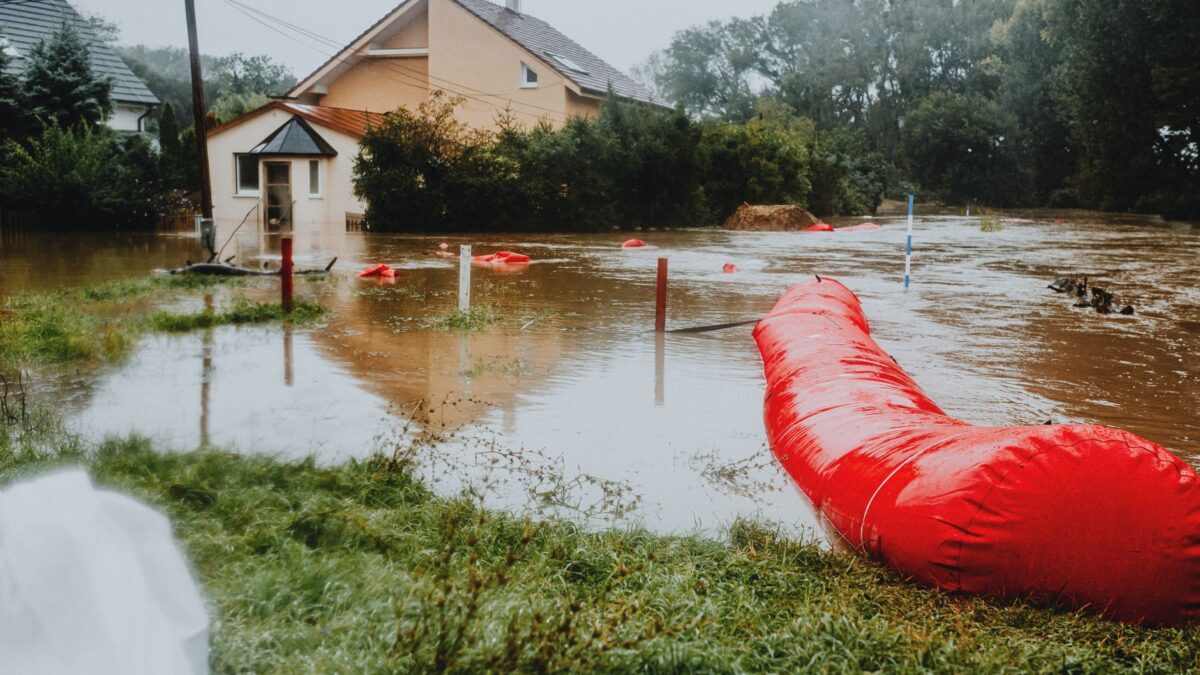
In a flooded basement, the first priority is safety, not the water. Stay out if the water is deep or touches outlets, appliances or the electrical panel, turn off power only if you can do it from a dry spot, stop the source of the water, then remove the water and dry everything within about 24 to 48 hours to limit mold. When in doubt, call your utility, an electrician or emergency services.
Step 1: Check for danger before you go in
- Electricity. Water and power are a deadly mix. Do not walk into standing water if outlets, cords, appliances or the panel could be live. If the panel is dry and you can reach it without stepping in water, switch off the main breaker. If it is not safe to reach, leave the house and call your electric utility or an electrician.
- Gas. If you smell gas, leave at once and call the gas company or emergency services from outside. Do not use switches or flames.
- Contamination. Water from sewage backups, rivers or storm drains can carry germs. Treat it as unsafe and wear rubber boots, gloves and a mask.
- Structure. Deep water pushes on walls and floors. Do not stay below ground if you see cracks, bulging walls or sagging ceilings.
Step 2: Find and stop the source
If a pipe, water heater or washing machine hose is the cause, shut off the water to it or the main shutoff for the house. If the cause is groundwater, heavy rain or a sewer backup, you cannot stop it yourself, so move to protecting belongings and calling help. If water is also coming through the ceiling, read what to do when water is leaking from the ceiling.
Step 3: Document and call your insurer
Before you move or throw anything out, take photos and video of the water level and damaged items. Call your insurance company soon, since many standard homeowners policies treat flood damage and sewer backup differently from a burst pipe. Ask what is covered and whether you need to keep damaged items.
Step 4: Get the water out
Once power is off and it is safe to enter:
- Use a sump pump or a wet/dry vacuum made for water. Use pumps and tools that plug into a safe, dry, grounded circuit, or run them from a generator placed outdoors, never in the house or garage.
- If water is deep, remove it gradually, in stages, rather than all at once. Draining too fast while the soil outside is still saturated can stress walls and floors.
- Mop or squeegee what is left, then move wet items outside or upstairs.
A water heater that was submerged may need inspection before you relight it. If it fails or leaks later, see how to flush a water heater as part of regular upkeep.
Step 5: Dry everything out quickly
Mold can begin to grow within a day or two on damp materials, so speed matters.
- Open windows and doors when the weather is dry, and run fans to move air.
- Use dehumidifiers to pull moisture from the air. Empty them often.
- Remove wet carpet, padding, and soaked drywall and insulation near the floor. These hold water and are hard to dry in place.
- Throw away porous items that were in contaminated water, such as mattresses, upholstered furniture and cardboard.
- Wash hard surfaces with detergent and water. Never mix cleaners, and always follow label directions and ventilate.
Keep drying until the surfaces feel dry and the room’s humidity stays low. If you see or smell mold, our mold cleanup calculator can help you estimate supplies and scale. Large areas, or mold after contaminated water, are often a job for professionals.
Step 6: Know when to call a professional
- Water touched electrical equipment, or you are unsure the power is safe.
- Sewage or floodwater is involved.
- Walls look damaged or the water keeps coming back.
- The affected area is large, or mold covers more than a small patch.
Quick answers
How long does a basement take to dry?
It varies with the amount of water, humidity and airflow. Surfaces may feel dry within days, but hidden moisture in walls can take longer, so keep checking.
Is it safe to use a regular vacuum?
No. Use only a wet/dry vacuum labeled for water. A regular household vacuum is not made for it and can be a shock risk.
Can I keep my belongings?
Hard items such as metal and plastic can often be cleaned. Porous items soaked in contaminated water are usually best thrown away.