How to Flush a Water Heater: Tank Drain, Anode Rod and Tankless Descaling
Sediment makes tank heaters noisy and less efficient. Here is how to drain one safely, check the anode rod, descale a tankless unit and set a safe temperature.
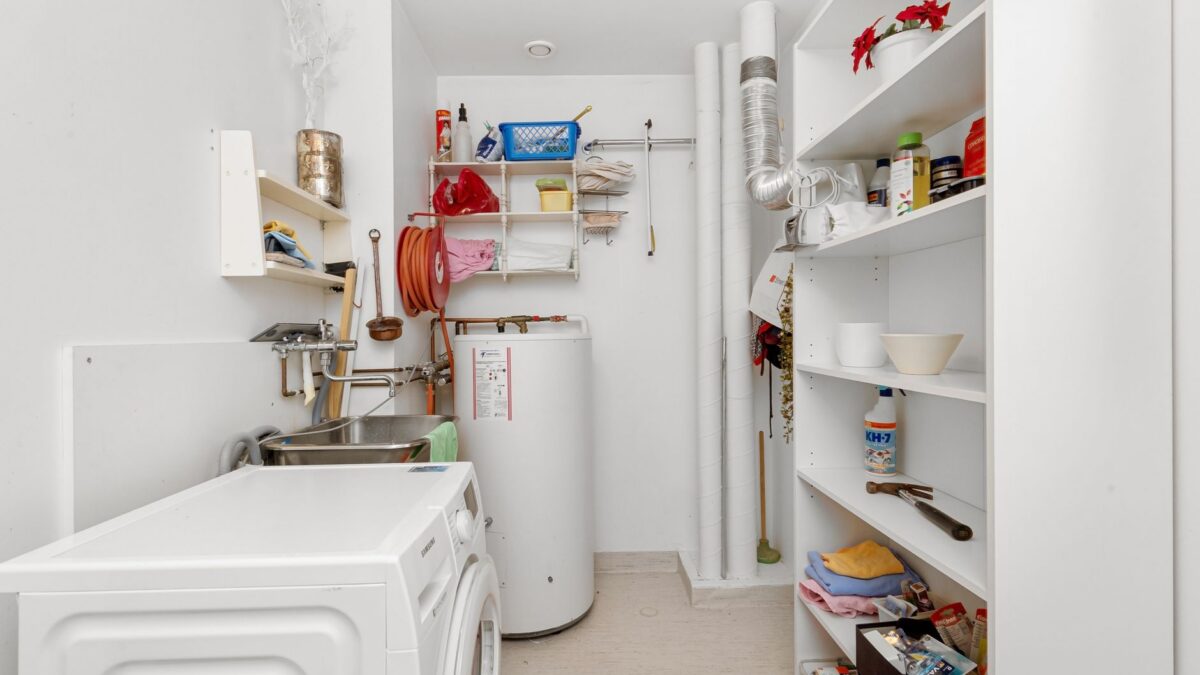
Flush a tank water heater about once a year, or as often as the manual says, and more often with hard water. The basic job: turn off the power (electric) or set the gas control to pilot or vacation, shut the cold supply, let the water cool, drain it through a hose from the bottom valve, briefly run cold water through to stir up sediment, then refill completely before turning the heat back on. The key warning: tank water can be scalding, and an electric heater must be full before power is restored.
Why flush at all
Minerals in water settle at the bottom of a tank as sediment. Over time that layer can make popping or rumbling noises, reduce hot water capacity and make the burner or elements work harder. Flushing removes loose sediment. It will not fix a heater that is already leaking from the tank itself; a leaking tank needs replacement.
Know your heater type
| Type | How to shut down | Maintenance |
|---|---|---|
| Electric tank | Switch off the breaker | Drain and flush; inspect anode rod; elements can burn out if powered while empty |
| Gas tank | Turn control to pilot or vacation (per label) | Drain and flush; inspect anode rod; keep area around burner and vent clear |
| Tankless (gas or electric) | Power off; close isolation valves | Descale per maker; clean inlet water filter screen |
| Heat pump water heater | Power off per manual | Drain tank; clean air filter per manual |
Always read the label on the heater and the owner’s manual first. Many are available on the manufacturer’s site by model number.
What you need
- A garden hose long enough to reach a floor drain, sump or outdoors below the heater level
- A flat screwdriver or pliers for the drain valve
- A bucket for checking the water
- Gloves and safety glasses
- Towels for drips
How to flush a tank water heater
- Turn off the heat source. Electric: switch off the breaker. Gas: set the control to pilot or vacation as the label instructs. Do not attempt to work on gas lines or venting yourself.
- Let the water cool. Waiting a few hours, or overnight, greatly reduces scald risk. Alternatively, use hot water normally for a while after shutting off the heat.
- Close the cold water supply valve on the pipe entering the top of the heater.
- Attach the hose to the drain valve near the bottom and run the other end to a drain or outdoors. Make sure the end is lower than the valve and is not where people or pets walk.
- Open a hot water tap somewhere in the house to let air in so the tank drains smoothly.
- Open the drain valve. Let the tank drain. Be patient; sediment can slow it down.
- Flush. With the drain still open, briefly open the cold supply to stir up sediment, then close it again. Repeat until the water coming out runs clear into a bucket.
- Close the drain valve and remove the hose.
- Refill. Open the cold supply and leave the hot tap open until water flows steadily with no sputtering air. That means the tank is full.
- Restore heat. Turn the breaker back on, or return the gas control to its setting following the lighting instructions on the label.
- Check for leaks at the drain valve over the next day.
If the drain valve is old and plastic, it may drip after closing or break when turned. Have a cap that fits the hose thread on hand, and if it keeps leaking, call a plumber. If you have never flushed an older heater, a heavy sediment load can clog the valve; a plumber can help.
The anode rod
Most tank heaters have a sacrificial anode rod, usually magnesium or aluminum, that corrodes so the steel tank does not. Manufacturers typically suggest checking it every few years. A rod worn down to its core wire needs replacing. Removing one takes a large socket and often a lot of force, and the tank must be partly drained, so many homeowners leave this to a plumber. A rotten-egg smell from hot water only can be linked to a reaction involving the anode rod; ask a plumber or the manufacturer before changing rod types.
The temperature and pressure relief valve
The T&P valve is a safety device that releases water if pressure or temperature gets too high. Manuals often recommend testing it periodically by lifting the lever briefly, which releases very hot water through the discharge pipe. Stand clear. If it drips afterward or does not reseat, call a plumber. Never cap or block the discharge pipe.
Tankless water heaters: descaling
Tankless units do not collect sediment in a tank, but scale can build up inside the heat exchanger, especially with hard water. Most makers specify descaling at an interval that depends on water hardness. The common method uses the service (isolation) valves on the unit, a small submersible pump, hoses and a bucket of descaling solution. Use the solution type the manufacturer approves; some allow white vinegar, others specify their own descaler. Circulate for the time the manual gives, then flush with clean water and clean the inlet filter screen. If your unit lacks service valves, a plumber can install them.
Hard water also shows up around the house; see how to remove hard water stains.
Set a safe temperature: 120°F
The U.S. Department of Energy says 120°F is enough for most households and that higher settings waste energy through standby heat loss and raise scald risk. Check the dishwasher manual first: some models without a booster heater need hotter water. Households with someone who has a weakened immune system or chronic respiratory illness may be advised to keep the tank hotter; in that case, a plumber can fit mixing valves at taps to reduce scald risk. The DOE’s water heating page has more.
How often
- Tank heaters: once a year is a common recommendation; follow the manual.
- Hard water areas: more often, as the manual allows.
- Tankless: descale on the maker’s schedule for your water hardness.
- Anode rod: inspect every few years, or as the maker advises.
Add it to your home maintenance checklist. If your heater is near the end of its expected life, read how long appliances last before investing in repairs.
When to call a professional
- You smell gas, see scorch marks, or the pilot will not stay lit.
- Water leaks from the tank body, not just a fitting.
- The T&P valve discharges on its own.
- Rusty hot water, persistent rumbling after flushing, or a stuck drain valve.
Bottom line
Turn off the heat, let the tank cool, drain and flush until clear, then refill fully before restoring power or gas. Do it about once a year, descale tankless units per the manual, and keep the thermostat around 120°F unless your household needs otherwise.
FAQ
Can I flush a water heater without turning off the water?
A quick partial drain of a few gallons is sometimes suggested in manuals, but a full flush requires closing the cold supply. Follow your manual.
What happens if I turn an electric heater on while it is empty?
The heating elements can burn out within moments. Always confirm water flows steadily from a hot tap first.
Is sediment harmful to drink?
Do not drink water from a water heater drain. For drinking-water concerns, contact your water utility or have the water tested.
Why is my water heater popping?
Often it is water trapped under sediment boiling off. Flushing can help; if noise continues, have it checked.