How to Clean a Fireplace Safely and When to Call a Chimney Sweep
Learn how to clean ashes, soot, glass doors and brick safely, and which warning signs mean it is time to book a professional chimney sweep and inspection.
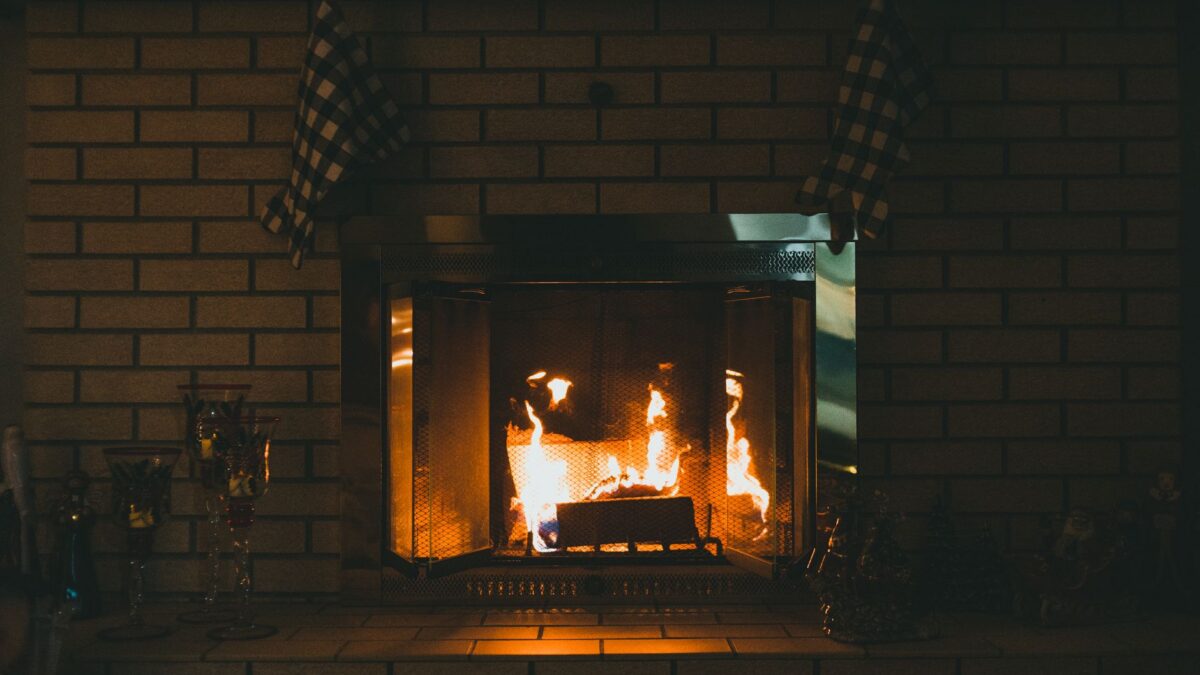
You can clean the inside of a fireplace yourself once it is completely cold: remove the ashes, brush away soot, wash the hearth and clean the glass. The chimney flue above it is different, because creosote buildup and blockages are a fire risk, so have the chimney inspected and swept by a certified professional, usually once a year if you burn regularly.
Before you start: safety and supplies
Only clean a fireplace that has not been used for at least 24 hours, and even then treat the ashes as possibly warm. Hidden embers can stay hot for days. Gather these items:
- A metal ash bucket with a tight lid, and a small shovel
- Heavy gloves, safety glasses and a dust mask or respirator rated for fine dust
- Old drop cloths or newspapers to protect the floor
- A stiff nylon brush and a soft brush
- Mild dish soap, warm water, sponges and cloths
- A vacuum designed for fireplace ash, only when everything is fully cold
Open a window nearby for ventilation, keep children and pets out of the room, and follow the label on any commercial cleaner you choose. Never mix cleaning products with one another.
Step 1: Remove the ashes
- Cover the floor and furniture near the hearth.
- Use the shovel to scoop ashes into the metal bucket, working gently so dust does not float into the room.
- Leave a thin layer, about 1 inch (2.5 cm), if you plan to burn wood again soon, since it insulates the fire bed. Remove everything if you will not use the fireplace for a while.
- Close the lid and store the bucket outdoors on a non-combustible surface, away from the house, garage, decks and firewood, for several days before disposal.
Never put ashes in a paper bag, cardboard box, plastic bin or vacuum cleaner that is not made for ash. Ordinary household vacuums can spread fine dust and may catch fire from a hidden ember.
Step 2: Scrub soot from the firebox
Brush loose soot from the walls and floor of the firebox using the stiff brush. For stubborn black marks, mix a small amount of mild dish soap into warm water, scrub with a sponge or brush, and wipe with a damp cloth. Work in small sections and avoid soaking porous brick or stone, because excess water can stain and weaken mortar.
Do not use harsh abrasives or steel wool on firebrick, since they can scratch or damage it. Allow the firebox to dry completely before the next fire.
Step 3: Clean the glass doors
- Make sure the glass is completely cool.
- Remove loose soot with a dry cloth or paper towel.
- Use a product made for fireplace glass and follow its directions, or wipe with a damp sponge and a little mild dish soap.
- Rinse with a clean damp cloth and dry with a lint-free cloth.
Spraying cleaner on hot glass can cause streaks or even cracking, and some cleaners are not meant for use on hot surfaces.
Step 4: Wash the hearth and surround
Wipe brick, stone or tile with warm water and mild soap. For smoke stains on painted walls above the opening, wash gently with a cloth and rinse. Wood mantels usually need only a dry or barely damp cloth. If you notice water stains on the wall or ceiling near the chimney, read about what to do when water leaks from the ceiling, as a damaged chimney cap or flashing can let rain in.
Why the chimney itself needs a professional
Burning wood leaves creosote, a tarry or flaky residue that sticks to the flue and can ignite. Birds’ nests, leaves and debris can also block the chimney and allow smoke or carbon monoxide to enter your home. You cannot see most of this from the fireplace, so a trained sweep uses brushes and cameras to inspect the whole flue.
Many fire safety organizations recommend a yearly inspection for homes that use a fireplace or wood stove. Having it done before the cold season begins gives you time to book an appointment and make repairs.
Signs it is time to call a chimney sweep
- Black, shiny, tar-like or crusty deposits inside the flue
- A strong smoky smell, especially in humid weather
- Smoke coming into the room when you light a fire
- A fire that burns poorly or smokes a lot
- Cracked or crumbling bricks, loose mortar or rust on the damper
- Animal sounds, droppings or debris in the fireplace
- A chimney that has not been inspected for a year or longer, or you have just moved into a home
If you smell gas or suspect carbon monoxide, leave the building and call emergency services. Install working carbon monoxide and smoke alarms near bedrooms and test them regularly.
Burn cleaner to keep it cleaner
Use dry, seasoned hardwood, and never burn trash, painted or treated wood, or cardboard. Build small, hot fires instead of smoldering ones, since slow, smoky fires produce more creosote. If you maintain other household vents, the guide on how to clean a dryer vent covers another common source of home fires.
Quick answers
How often should I clean the inside of the fireplace?
Remove ashes when they get deep, or after each few fires, and do a full scrub at the end of the burning season.
Can I use a regular vacuum on ashes?
No. Use a metal bucket and shovel, or a vacuum made for ash that is used only when everything is fully cold.
Is a gas fireplace maintenance-free?
No. Gas fireplaces also need regular professional servicing, including checks of the vents, burner and seals.