How to Unclog a Drain Without Chemicals: Plunger, Snake and P-Trap
Most household clogs are hair, grease and soap. A plunger, a cheap drain snake or a quick P-trap cleanout fixes the majority without harsh chemicals.
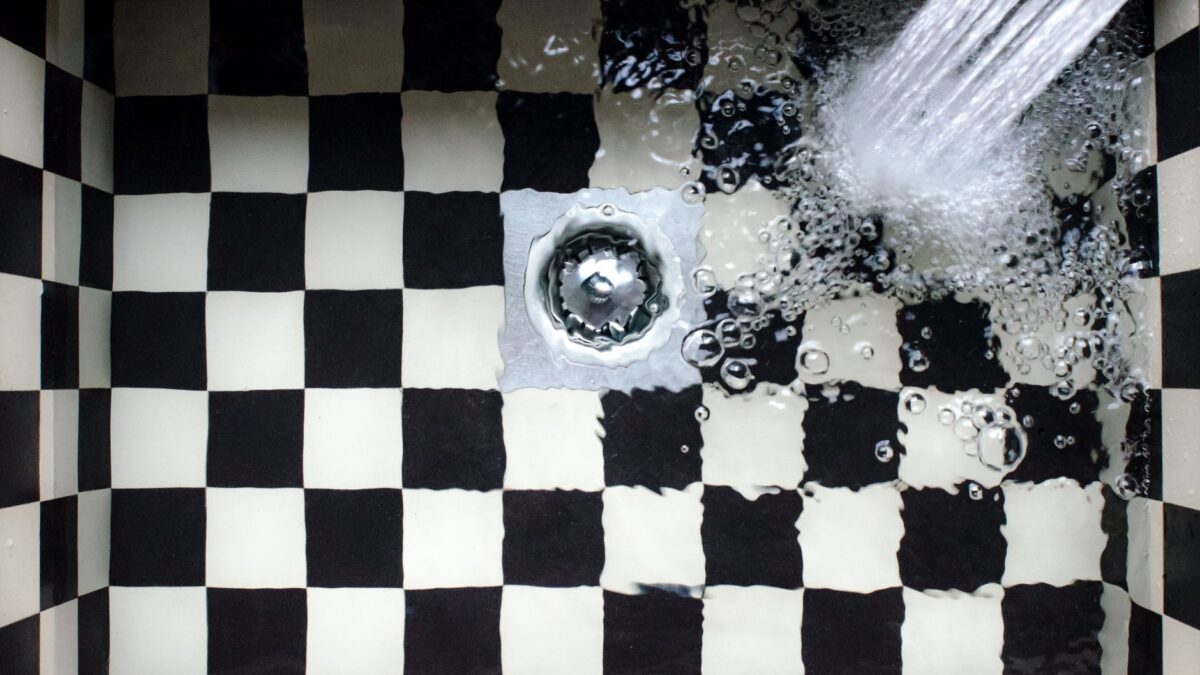
For most clogged sinks, tubs and showers, start with a plunger (cup plunger for flat drains, flange plunger for toilets), then a hand drain snake or plastic barbed strip for hair, and finally remove and clean the P-trap under the sink. Use hot tap water rather than boiling water, which can soften plastic pipes and crack porcelain. Chemical drain openers are corrosive and can burn skin and eyes, so leave them for last, or skip them.
What usually causes the clog
- Bathroom sinks: hair, toothpaste and soap residue caught on the pop-up stopper.
- Showers and tubs: hair and soap scum, usually within the first foot of pipe.
- Kitchen sinks: cooking grease that hardens in the pipe and traps food scraps, coffee grounds and eggshells.
- Toilets: too much paper, wipes (even ones labeled flushable can cause trouble), and small objects.
If several fixtures drain slowly at once, or water backs up in a tub when you flush a toilet, the clog is likely in the main line. That is a job for a licensed plumber, not a plunger.
What you need
- A cup plunger (sinks, tubs) and a flange plunger (toilets)
- A hand drain snake (auger), about 15 to 25 feet, or a plastic barbed hair-removal strip
- A bucket, old towels and rubber gloves
- Channel-lock pliers for a stubborn P-trap nut
- A small wet rag to block the overflow hole
Which tool for which drain
| Drain | First try | Next step | Avoid |
|---|---|---|---|
| Bathroom sink | Remove and clean the stopper | Barbed strip or snake; clean P-trap | Plunging without blocking the overflow |
| Shower | Pull hair from the strainer | Barbed strip, then snake | Boiling water on plastic drains |
| Bathtub | Clean the stopper linkage | Snake through the drain | Mixing chemical products |
| Kitchen sink | Plunge (block the second bowl) | Clean P-trap; snake into the wall pipe | Pouring grease down the drain |
| Toilet | Flange plunger | Closet (toilet) auger | Boiling water; drain chemicals |
Step 1: Plunge properly
- Remove the stopper if it lifts out, and clean off any hair.
- Block the overflow hole with a wet rag. In a double kitchen sink, plug the other drain. Otherwise the plunger just pushes air out the other opening.
- Add a few inches of water so the plunger cup is submerged. Water transmits pressure; air does not.
- Seal the cup over the drain and push down gently first to remove air, then make 10 to 15 firm, quick strokes, keeping the seal.
- Pull up sharply on the last stroke and see whether the water drains. Repeat a few times before moving on.
For a toilet, use a flange plunger, which has a soft extension that fits the bowl outlet. Plunge with steady strokes and do not keep flushing a clogged toilet, which can overflow it.
Step 2: Snake the drain
- Feed the snake’s tip into the drain, turning the handle clockwise as you push.
- When you feel resistance, keep cranking: you are either at a bend or at the clog. Work it back and forth.
- Pull the snake out slowly; it often brings a hair clog with it. Have a bag ready.
- Run hot tap water for a minute to flush the line.
A plastic barbed strip is cheap and works well for hair in bathroom sinks and showers. For toilets, use a closet auger with a protective sleeve so you do not scratch the porcelain.
Step 3: Clean the P-trap
- Put a bucket under the U-shaped pipe beneath the sink.
- Loosen the two slip nuts by hand or with pliers wrapped in a rag to avoid cracking plastic.
- Remove the trap, empty it into the bucket and clean out debris with an old brush.
- If the trap was clear, snake into the pipe going into the wall.
- Reassemble, making sure the washers are seated, then run water and check for drips.
What about boiling water and baking soda?
Boiling water can melt a fresh grease clog in a metal pipe, but it is risky elsewhere. Many plastic drain pipes and their glued joints are not meant for water at a full boil, and a sudden temperature change can crack a porcelain toilet bowl or sink. Use the hottest water from your tap instead, and never pour boiling water into a toilet.
Baking soda and vinegar fizz, but the reaction mostly produces water, salt and carbon dioxide; it is not strong enough to dissolve hair or a solid grease plug. It is fine as a mild freshening routine but not a clog fixer. Our explainer on baking soda and vinegar cleaning covers what the fizz really does.
Enzyme or bacterial drain maintenance products are slow and better for preventing buildup than clearing a full blockage. Follow the label.
Why chemical drain openers are risky
- Many contain strong alkalis such as sodium hydroxide or acids such as sulfuric acid, which can cause serious burns to skin and eyes.
- If they do not clear the clog, you are left with a sink full of corrosive liquid, and plunging can splash it.
- Some generate heat and can damage plastic pipes, old metal pipes or porcelain.
- Never mix drain openers with each other or with bleach, and never use a second product after the first fails. Dangerous gases or violent reactions can result. See never mix these cleaning products.
If you already used one, tell a plumber before they work on the drain. Wear gloves and eye protection, ventilate, and follow the label exactly. If someone swallows, inhales or gets a cleaning product in the eyes, call Poison Control at 1-800-222-1222 (US) or emergency services.
Keep drains clear
- Use mesh strainers in the shower and bathroom sink, and empty them often.
- Wipe grease from pans into the trash, not the sink.
- Keep coffee grounds, rice, pasta and eggshells out of the kitchen drain and disposal. Odor tips are in how to get rid of a garbage disposal smell.
- Flush only toilet paper.
Bottom line
Plunge with the overflow blocked, snake out hair, and clean the P-trap before considering any chemical. Use hot tap water rather than boiling water, and never combine drain products. Call a licensed plumber for repeated clogs, sewage smells, multiple slow drains or a backup into a tub or floor drain.
FAQ
Can I use the same plunger for the sink and toilet?
It is better not to, for hygiene and fit. A cup plunger seals flat drains; a flange plunger fits a toilet outlet.
Does dish soap and hot water unclog a toilet?
Sometimes it helps a soft clog slide through, but use hot tap water, not boiling. If it does not work within a short wait, use a flange plunger or closet auger.
Why does my drain clog again after a week?
The clog was probably pushed further rather than removed, or the problem is further down the line. Snake it or call a plumber.
Are enzyme drain cleaners safe?
They are generally gentler than caustic openers, but they work slowly and are meant for maintenance. Follow the label and never mix them with other products.