How Long Do Appliances Last? Fridge, Washer, Dryer, Dishwasher and More
Published lifespan charts are averages, not promises. Here is what the commonly cited figures say and how to tell when an appliance is nearing the end.
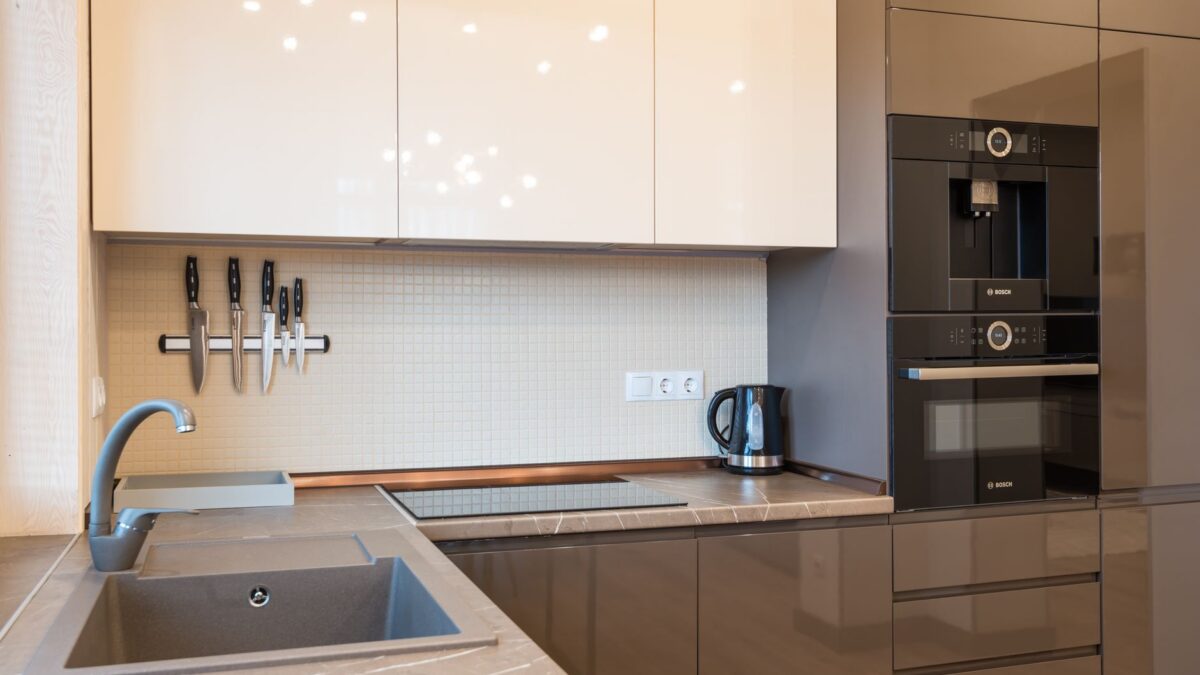
Most major appliances last roughly 9 to 15 years. Home-inspection charts commonly put dishwashers and microwaves near 9 years, refrigerators at about 9 to 13, clothes dryers around 13, and ranges at 13 to 17, while tank water heaters are often listed at about 10 to 14 years. These are averages that assume normal use and basic maintenance, so treat them as a planning guide, not a deadline: a well-kept machine can outlast them, and a neglected one can fail early.
Typical lifespans at a glance
The figures below come from the InterNACHI estimated life expectancy chart, which home inspectors use as a reference, and from older National Association of Home Builders (NAHB) study figures that are still widely reproduced. The two sources do not always agree, which is a useful reminder that no single number applies to every home.
| Appliance | Commonly cited lifespan | Source |
|---|---|---|
| Refrigerator | About 9–13 years | InterNACHI |
| Dishwasher | About 9 years (NAHB lists about 10) | InterNACHI / NAHB |
| Clothes washer | About 5–15 years (NAHB lists about 10) | InterNACHI / NAHB |
| Clothes dryer | About 13 years | InterNACHI |
| Electric range | About 13–15 years | InterNACHI |
| Gas range | About 15–17 years | InterNACHI |
| Microwave | About 9 years | InterNACHI |
| Tank water heater | Roughly 10–14 years, varying by gas or electric | NAHB figures |
InterNACHI notes that its figures are guidelines, not guarantees, and that they assume regular maintenance and normal wear rather than heavy use, harsh conditions or neglect.
What makes an appliance wear out sooner
- Heavy use. A washer that runs two loads a day for a family of six works far harder than one in a single-person apartment.
- Hard water. Mineral scale builds up in dishwashers, washers, coffee makers and water heaters, which strains heating elements and valves.
- Skipped cleaning. Dusty refrigerator coils, clogged dishwasher filters and lint-packed dryer vents all make machines run hotter and longer.
- Poor installation. An unlevel washer, a kinked drain hose or a fridge pushed tight against a wall with no airflow adds stress.
- Power problems. Electronic control boards are sensitive to surges; follow the maker’s guidance on outlets and surge protection.
- Location. Appliances in unheated garages or humid basements may face temperatures outside the range in the manual.
Simple habits that help appliances last
- Read the manual’s maintenance page. It tells you what to clean, how often and which cleaners are safe for that model.
- Clean filters and screens on schedule. That means the dryer lint screen every load, the dishwasher filter as the maker suggests, and range hood filters regularly.
- Keep coils and vents clear. See our guides to cleaning refrigerator coils and cleaning a dryer vent.
- Do not overload. Overstuffed washers and dryers strain motors, bearings and belts.
- Descale where hard water is a problem, using the method and product the manufacturer recommends.
- Fix small problems early. A worn door gasket or a noisy pump is cheaper to repair before it causes a leak or a burned-out motor.
Signs an appliance is near the end
Refrigerator
- Food spoils faster or the fridge struggles to stay at 40°F or below even after cleaning the coils.
- Constant running, frost buildup in a frost-free freezer, or water pooling under the unit.
- Loud clicking or buzzing from the back that keeps getting worse.
Washer and dryer
- Leaks from the tub or pump, not just a loose hose.
- Violent shaking even when level and not overloaded, or grinding noises during spin (often bearings).
- A dryer that takes multiple cycles even with a clean lint screen and a clear vent.
Dishwasher
- Dishes still dirty after you have cleaned the filter and spray arms.
- Rust inside the tub or a door that no longer seals.
- Standing water that returns after you clear the drain path.
Water heater
- Rusty hot water, rumbling or popping from sediment, or moisture around the base of the tank.
- A leaking tank is an emergency: shut off the water supply and the power or gas, and call a licensed plumber.
Age is a clue, not a verdict
An appliance past its typical lifespan is not automatically due for the curb. If it still works well and parts are available, keeping it running is usually the cheapest option. The time to start planning is when a repair is expensive, parts are discontinued, or failures keep repeating. Our guide to whether to repair or replace an appliance walks through the cost math.
Before you pay for any repair on an older machine, it is also worth checking whether the model has been recalled, since some recalls include a free repair or replacement. See how to check if a product is recalled.
Bottom line
Plan on roughly a decade for most major appliances, a bit longer for ranges and dryers, and a bit less for dishwashers and microwaves. Basic maintenance such as clean filters, clear coils and vents, and no overloading is the cheapest way to reach the top of those ranges. When a machine is old and needs a major repair, compare the repair quote with replacement before you commit.
FAQ
Do newer appliances last as long as older ones?
There is no simple answer. Modern machines use less energy and water but have more electronics, and a failed control board can be costly to replace. Maintenance and parts availability matter more than the age of the design.
Which appliance usually lasts the longest?
In the commonly cited charts, gas ranges sit at the top, at around 15 to 17 years, because they have relatively few parts that wear out.
Does an extended warranty make an appliance last longer?
No. It only changes who pays for certain repairs during the contract period. Read what is covered and compare it with the manufacturer’s warranty before buying.
How can I find out how old my appliance is?
Look for the model and serial number label, often inside the door, on the frame or on the back. Many makers encode the manufacture date in the serial number; their support pages or customer service can decode it.