Never Mix These Cleaning Products: Dangerous Combinations and What to Do
A few everyday cleaners turn into toxic gases or corrosive liquids when they meet. Here are the pairs to keep apart, the symptoms to watch for and exactly what to do if it happens.
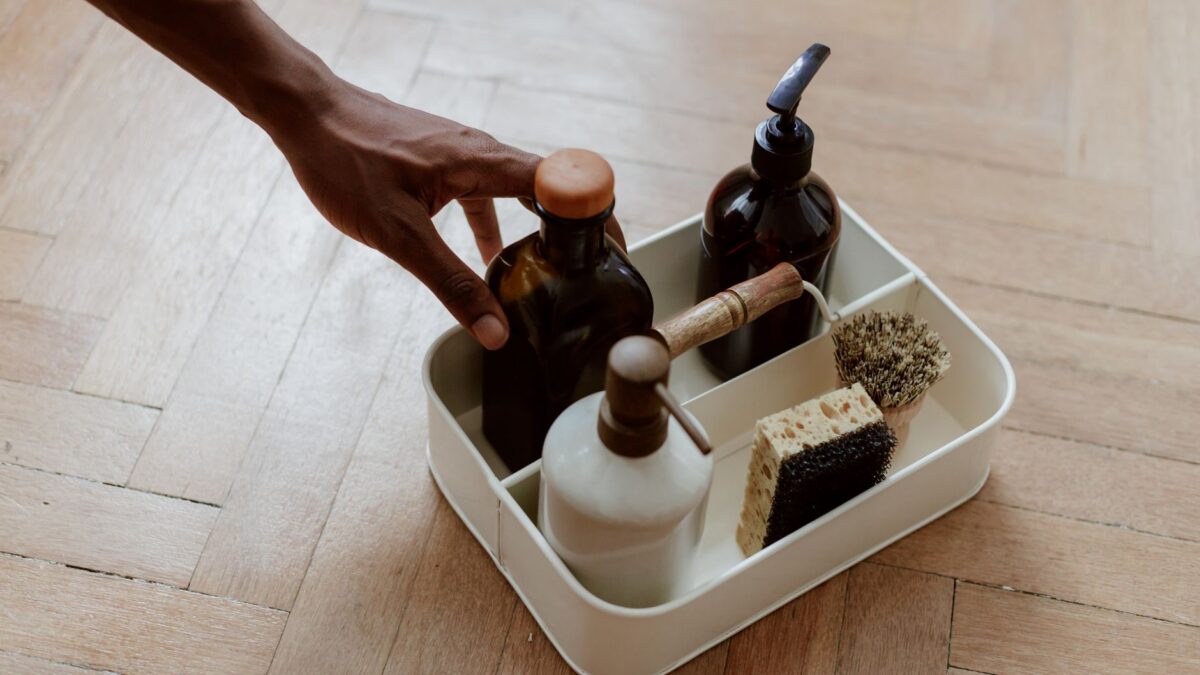
The rule is simple: use one cleaning product at a time, rinse with water, and never combine products in a bucket, a spray bottle or a toilet bowl. The most dangerous pairs are bleach with ammonia, bleach with vinegar or other acids, bleach with rubbing alcohol, hydrogen peroxide with vinegar, and two different drain cleaners. If someone swallows, inhales or gets a cleaning product in the eyes, call Poison Control at 1-800-222-1222 (US) or emergency services.
Most accidents happen because people want a “stronger” cleaner, or because they spray one product right after another without rinsing. Mixing almost never cleans better. It usually just creates fumes you then have to breathe.
The combinations to avoid
| Combination | What can form | Where it sneaks in |
|---|---|---|
| Chlorine bleach + ammonia | Chloramine vapors | Glass cleaners, some multi-surface sprays, and urine (pet accidents, toilets) |
| Chlorine bleach + vinegar or other acids | Chlorine gas | Toilet-bowl cleaners, lime and rust removers, some tub-and-tile sprays, lemon juice |
| Chlorine bleach + rubbing alcohol | Chloroform and other harmful compounds | Disinfecting wipes or sprays that list alcohol, hand sanitizer |
| Hydrogen peroxide + vinegar (same container) | Peracetic acid, which is corrosive | DIY “super cleaner” recipes |
| Two different drain cleaners | Violent heat, splattering and fumes | Pouring an acid-type product on top of a lye-type product that didn’t work |
| Any two commercial cleaners | Unpredictable reactions | “Just a splash” of each into one bucket |
Bleach and ammonia
This is the best-known dangerous pair. Ammonia hides in many window and glass cleaners and in some all-purpose sprays, so read the ingredient panel before you use bleach in the same area. Urine also contains ammonia compounds, which is why you should not pour bleach onto a pet accident on the carpet or a heavily soiled toilet that has just been treated with another product. For pet stains, an enzyme cleaner is the better tool; see our guide on removing pet urine smell from carpet.
Bleach and acids, including vinegar
Acids release chlorine gas from bleach. Vinegar is the obvious one, but many toilet-bowl cleaners, lime-scale removers and rust removers are acidic too. A common trap: you pour bleach in the toilet, then add a blue gel bowl cleaner “for extra power.” Flush and rinse between products, or better, choose one product for the job. Our piece on baking soda and vinegar cleaning explains where vinegar works on its own.
Bleach and rubbing alcohol
Some people combine these thinking two disinfectants are better than one. They are not. Keep alcohol-based wipes, sprays and sanitizers away from bleach solutions and surfaces still wet with bleach.
Hydrogen peroxide and vinegar
Each can be used on its own, and some people use them one after the other on a surface. Mixing them in one bottle makes peracetic acid, which can irritate skin, eyes and the airways. Never store them together in a single container.
Drain cleaners
Drain openers can be strongly alkaline (lye-based) or strongly acidic. If one product fails, do not pour a different one on top. The reaction can heat the water, splash back and release fumes. Tell a plumber exactly what is already in the drain.
Symptoms to watch for
Public health agencies list symptoms such as coughing, wheezing or shortness of breath, burning eyes, nose or throat, chest tightness, headache, dizziness and nausea. The strength depends on how much was mixed, how long you were exposed and how much fresh air was available. Do not try to judge severity yourself if someone is struggling to breathe.
What to do if you mixed products
- Leave the room right away and get everyone, including pets, into fresh air.
- Open windows and turn on the exhaust fan on your way out only if you can do so quickly without breathing more fumes. Close the door behind you.
- Call Poison Control at 1-800-222-1222 (US). Have the product containers or their names ready. Call 911 or local emergency services if anyone has trouble breathing, collapses or has severe symptoms.
- Rinse skin or eyes with plenty of lukewarm running water if they were splashed, and follow the instructions Poison Control gives you.
- Do not go back in to clean up until the room has aired out thoroughly. When you do, wear gloves, dilute the mixture with lots of water and flush it away.
Habits that prevent accidents
- One product per job. If you change products, rinse the surface with clean water first.
- Read the label every time. Look for “do not mix” warnings, signal words (Caution, Warning, Danger) and directions for use. On EPA-registered disinfectants the label also tells you the contact time.
- Ventilate. Open a window or run the exhaust fan, especially in small bathrooms.
- Keep products in their original containers. Unlabeled spray bottles are how mix-ups start.
- Wear gloves when the label says so, and test on a hidden spot first.
- Store safely. Keep cleaners up high or locked, away from children and pets, and separate bleach from acids and ammonia products on the shelf.
- Do not “boost” a product. A product registered by the EPA has been evaluated as sold, not mixed.
Safer ways to get the same result
Most homes need very little: a dish-soap-and-water mix for everyday grime, a baking soda paste for gentle scrubbing, diluted white vinegar on surfaces where it is safe (not natural stone), and a registered disinfectant used by itself, following the label, when you really need to disinfect. If you want help picking lower-hazard products, the EPA’s Safer Choice program lists products that meet its ingredient criteria. Remember that “cleans” and “disinfects” are different things, and homemade mixes are not registered disinfectants.
Bottom line
Pick one product, use it as the label says, rinse, then move on. Keep bleach away from ammonia, acids (including vinegar) and alcohol, never mix peroxide and vinegar in one container, and never layer drain cleaners. If a mix happens, get to fresh air and call Poison Control at 1-800-222-1222.
FAQ
Can I use bleach and then vinegar on the same surface?
Not back to back. Leftover bleach can react with the vinegar. If you must use both on different days, rinse the surface well with plain water and let it dry in between, and ventilate the room.
Is it safe to mix dish soap and bleach?
Some dish soaps contain ingredients that should not meet bleach, and labels vary. The safest approach is to follow the bleach label’s own dilution directions with plain water and not add other products.
What if I smelled fumes but feel fine now?
Air out the room and call Poison Control at 1-800-222-1222 for advice; the call is free and confidential. Seek medical care if symptoms appear or get worse later.
Are “natural” cleaners safe to mix?
Not automatically. Vinegar and hydrogen peroxide are both common “natural” choices, and they should not be combined in one container. Treat every product as one to use alone.