Thanksgiving Cleaning Checklist: A Two-Week Plan to the Last Dish
Spread the work over two weeks and the holiday itself gets easier. This checklist covers the fridge, oven, guest bathroom and entry, then the cleanup after dinner.
The easiest Thanksgiving is the one you start cleaning about two weeks ahead: do the big jobs (oven, fridge, linens) early, keep the week-of list short, and save only quick touch-ups for the day itself. The key safety point is food: make fridge space before the turkey arrives, and refrigerate leftovers within two hours of serving.
Nobody needs a spotless house. Guests notice the entry, the bathroom, the kitchen and the table. Focus your energy there and let the rest wait.
What you need
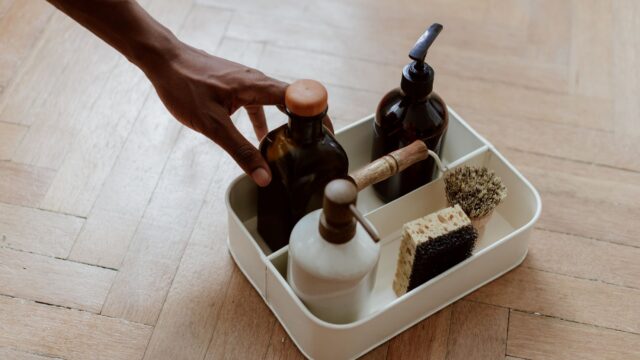
- Dish soap, a non-scratch sponge and microfiber cloths
- Baking soda for oven and pan scrubbing
- Your usual bathroom cleaner and toilet brush
- Trash and recycling bags, plus a few empty containers for leftovers
- A laundry basket for fast clutter pickup
Two weeks out: the big jobs
- Clean the oven. If you plan to use a self-clean cycle, run it now, not the day before. Self-clean cycles run hot, can produce smoke and odors, and you want time to deal with any problem. Ventilate the kitchen and follow your manual. Our guide on how to clean an oven covers baking soda and commercial cleaner options too.
- Check linens. Pull out tablecloths, napkins and guest bedding. Wash anything with old stains or a storage smell now, so there is time to re-treat.
- Count dishes, serving pieces and the roasting pan. Wash anything dusty from the cupboard.
- Plan the turkey thaw. USDA guidance for refrigerator thawing is roughly 24 hours for every 4 to 5 pounds, so a large bird can take several days. That means you need cleared fridge space earlier than you think.
One week out: fridge and freezer
- Empty the fridge one shelf at a time. Toss expired food and anything you won’t use before the holiday.
- Wipe shelves and drawers with warm water and a little dish soap, then dry them.
- Clear a full shelf (or the bottom shelf) for the thawing turkey. Put it on a tray or in a pan so juices can’t drip onto other food.
- Make freezer room for leftovers.
- Take out recycling and trash so you start the week with empty bins.
Three to four days out: the rooms guests see
Entry
Clear shoes and bags, shake out or vacuum the doormat, wipe the door handle and light switch, and make a spot for coats. A clear entry sets the tone more than anything else.
Guest bathroom
Clean the toilet, sink, mirror and floor. Put out a fresh hand towel (or a stack of small ones), a full soap dispenser, a spare roll of toilet paper where guests can see it, and an empty trash can with a liner. Use one cleaning product at a time and rinse between them; never mix bleach with toilet-bowl cleaners or other acids. See our toilet cleaning guide for the details.
Living and dining areas
Dust surfaces from high to low, vacuum, and clear the dining table completely. If you have overnight guests, prepare the guest room now.
The day before
- Run and empty the dishwasher so it starts Thanksgiving empty.
- Wipe kitchen counters and clear everything off them that you won’t use for cooking.
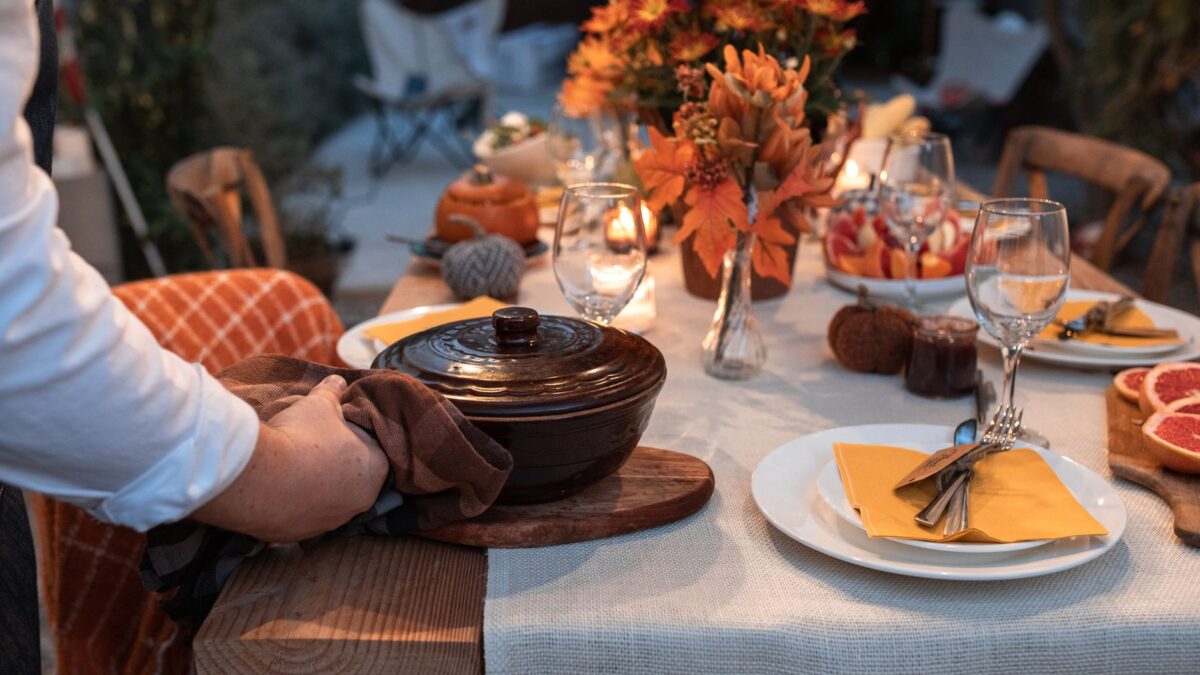
- Set the table, or at least put out the tablecloth and stack plates.
- Do a fast pickup of every room with a basket.
- Line all trash cans and keep spare bags nearby.
- Fill a sink or tub with hot, soapy water for soaking pans later.
Thanksgiving morning
- Quick wipe of the guest bathroom sink and mirror; fresh towel.
- Empty the kitchen trash before cooking starts.
- Clean as you cook: wash or soak bowls while things roast.
- Keep raw turkey juices away from ready-to-eat food, wash hands after handling raw poultry, and clean surfaces it touched with hot soapy water.
After dinner: a calm cleanup order
- Food first. Pack leftovers into shallow containers and get them into the fridge within two hours of serving.
- Scrape plates into the trash, not the sink.
- Deal with grease. Let pan drippings cool, pour them into a can or jar, and put it in the trash once it hardens. Do not pour fat or grease down the drain or garbage disposal; it hardens in pipes and sewers.
- Load the dishwasher with everyday plates and glasses. Hand-wash items that aren’t dishwasher-safe, such as many wooden boards, cast iron and some fine china.
- Soak the roasting pan overnight in hot water and dish soap. Our guide on cleaning a roasting pan takes it from there.
- Treat linen stains before they set; scrape and blot gravy and wine, then pretreat. Skip the dryer until the stain is gone.
- Wipe counters, the stovetop and the table, then take out the trash.
Quick timeline table
| When | Main tasks | Time needed |
|---|---|---|
| 2 weeks out | Oven, linens, dishes, thaw plan | 2–3 hours total |
| 1 week out | Fridge clear-out, freezer space, trash | About 1 hour |
| 3–4 days out | Entry, guest bathroom, living areas | 1–2 hours |
| Day before | Dishwasher, counters, table, pickup | About 1 hour |
| Day of | Touch-ups, clean as you cook | 15–20 minutes plus cleanup |
Bottom line
Do the oven, fridge and linens early, keep the guest areas simple, and let the day itself be about cooking and people. After dinner, think food safety first, keep grease out of the drain, and let the roasting pan soak until morning.
FAQ
When should I run my oven’s self-clean cycle before Thanksgiving?
At least several days ahead, ideally a week or two. You want time to air out odors and to handle any issue, rather than discovering a problem the morning you need to cook.
How long can leftovers sit out?
USDA advice is to refrigerate leftovers within two hours. Use shallow containers so food cools faster.
What is the one room to clean if I’m short on time?
The guest bathroom. A clean toilet and sink, a fresh towel and spare toilet paper make the biggest difference to guests.
Can I pour turkey fat down the sink with hot water?
No. Hot water only moves grease further down the pipe, where it cools and hardens. Let it set in a container and throw it in the trash, or follow your local collection program.