How to Get Rid of Mice in the House: Seal, Trap, Then Clean Up Safely
Mice need only a small gap to get in. Here is how to find the signs, close the entry points, trap the mice already inside, and clean up droppings without stirring up dust.
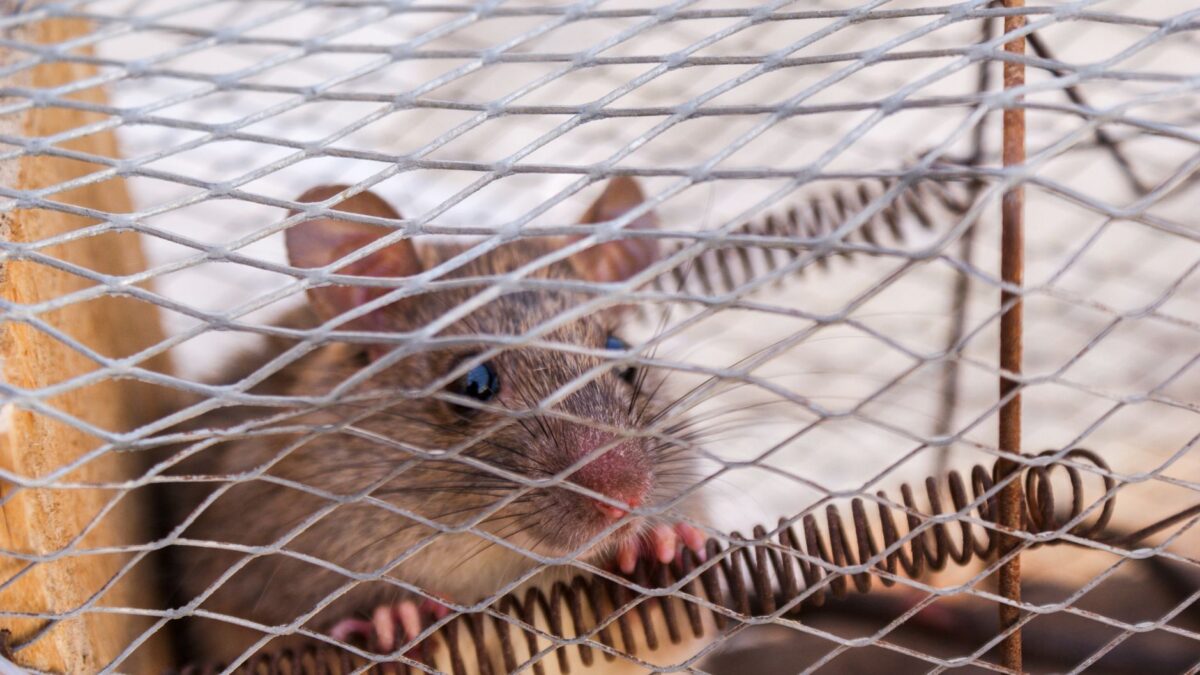
To get rid of mice, do three things in order: seal the gaps they use to get in (steel wool plus caulk works for small holes), trap the mice already inside with snap traps set along walls, and clean up droppings and nests safely by airing the room, soaking the mess with disinfectant and wiping it up. Never sweep or vacuum mouse droppings; the CDC warns this can put virus particles into the air.
What you need
- A flashlight
- Steel wool, caulk, and metal flashing or hardware cloth for larger gaps
- Several snap traps (more than you think)
- Rubber or plastic gloves
- An EPA-registered disinfectant, or household bleach diluted per the CDC
- Paper towels and sealable plastic bags
- Sealed containers for food and pet food
Signs you have mice
- Droppings: small, dark and pellet-shaped, often along walls, in drawers, behind the stove or under the sink.
- Gnaw marks on food packages, baseboards or wiring.
- Nests of shredded paper, fabric or insulation in quiet corners, cabinets or the garage.
- Noises in walls or ceilings at night.
- Greasy rub marks along routes they travel, and a musky smell.
Step 1: Remove food and shelter
- Store food in sealed containers, including cereal, grains, birdseed and pet food. Cardboard and paper bags are easy to chew through.
- Do not leave pet food out overnight.
- Keep trash in bins with tight lids and clean crumbs from under appliances.
- Cut clutter in closets, basements and garages, where nests hide. Rodent-proof bins help; see our guide to organizing a garage.
- Outdoors, keep firewood and compost away from the house and trim plants that touch the walls.
Step 2: Seal entry points
Mice can squeeze through surprisingly small openings. Check around pipes under sinks, where utility lines enter, behind appliances, at the gap under exterior doors, around the dryer vent and along the foundation.
- Small holes: stuff tightly with steel wool, then seal over it with caulk so it stays in place.
- Larger gaps: use metal flashing, hardware cloth or patching material. Foam alone can be chewed through.
- Doors: add a door sweep.
Seal at the same time you trap. If you seal first with mice still inside, they may move deeper into walls.
Step 3: Trap the mice inside
Snap traps are inexpensive, fast and let you confirm results. A few rules make them far more effective:
- Place traps along walls where droppings are, with the trigger end facing the wall. Mice tend to run along edges.
- Use a small amount of bait such as peanut butter. Wear gloves when setting and handling traps.
- Use several traps, a few feet apart in active areas.
- Keep traps away from children and pets, or put them inside covered stations or behind appliances.
- Check traps daily. Wearing gloves, spray a caught mouse and the trap with disinfectant, place it in a plastic bag, seal it and put it in a covered trash can.
Keep trapping until a week or so passes with no catches and no fresh droppings.
Why to skip glue traps
Glue traps hold mice alive until they die of stress or starvation, which many animal welfare groups consider inhumane. A trapped, frightened mouse may also urinate on the trap, and you must then handle it. In England, the Glue Traps (Offences) Act 2022 made it an offence for the public to use glue traps to catch rodents from July 31, 2024, and Wales and Scotland have passed similar bans. If you live elsewhere, check local rules, but snap traps are the simpler choice anywhere.
A note on poison baits
Rodenticides can poison pets and wildlife that eat the bait or the mouse, and a poisoned mouse may die inside a wall. If you use them, use only EPA-registered, tamper-resistant bait stations exactly as the label says. For an ongoing problem, a licensed pest professional is often the better option.
Step 4: Clean up droppings and nests safely
Mouse droppings, urine and nests can carry diseases. In the US, deer mice and some other wild rodents can carry hantavirus. The CDC’s cleanup method is designed to avoid breathing in contaminated dust. Follow it for any droppings, not only when you suspect a particular species.
- Air out the space first. Open doors and windows and leave for at least 30 minutes before cleaning (this step appears in CDC hantavirus guidance).
- Put on rubber or plastic gloves.
- Do not sweep or vacuum droppings, urine or nesting material.
- Soak the mess. Spray droppings, urine and nests with an EPA-registered disinfectant or a bleach solution until very wet. The CDC currently gives 1.5 cups of household bleach per gallon of water (about 1 part bleach to 9 parts water). Use only bleach and water; never add ammonia, vinegar or other cleaners. Let it soak for 5 minutes, or as long as the disinfectant label says.
- Wipe up with paper towels and put them in a covered trash can or sealed bag.
- Disinfect the area and anything mice may have touched, such as counters, cabinets and drawers.
- Wash bedding or clothes that were contaminated with laundry detergent in hot water.
- Wash gloved hands, remove the gloves, then wash your hands well with soap and water.
The CDC’s How to Clean Up After Rodents page has the full instructions. For heavy infestations, attics, crawl spaces or cabins that have been closed up, consider hiring a professional. Bleach is dangerous with many other products; see cleaning products you should never mix.
If you develop fever, muscle aches or breathing trouble within weeks of cleaning up after rodents, see a doctor and mention the rodent exposure. If someone swallows, inhales or gets a cleaning product or pesticide in the eyes, call Poison Control at 1-800-222-1222 (US) or emergency services.
When to call a pro
- You keep catching mice after two to three weeks.
- You see signs of rats (larger droppings, bigger gnaw holes).
- Mice are in walls, the attic or ductwork you cannot reach safely.
- You cannot find or reach the entry points.
Bottom line
Take away food and clutter, seal holes with steel wool and caulk, and set plenty of snap traps along walls. Clean up with gloves, airing the room first and soaking droppings with disinfectant before wiping. Never sweep or vacuum them. If mice keep coming, bring in a licensed pest professional.
FAQ
Do peppermint oil or ultrasonic devices keep mice away?
Neither is a reliable fix. Sealing entry points and trapping are what actually solve the problem.
Is one mouse a sign of more?
Often, yes. Mice breed quickly, so treat one sighting or fresh droppings as a reason to seal and trap right away.
Can I vacuum droppings with a HEPA vacuum?
CDC guidance says not to vacuum or sweep droppings. Soak them with disinfectant and wipe them up with paper towels instead.
What bait works best in snap traps?
A small dab of peanut butter is a common choice. Use only a little so the mouse has to work at it and trips the trigger.