Mold Mites: Why They Appear in Damp Homes and How to Get Rid of Them
Mold mites are tiny pale mites that feed on mold in damp rooms and stored food. See why they show up, the signs to look for and how to clear them out.
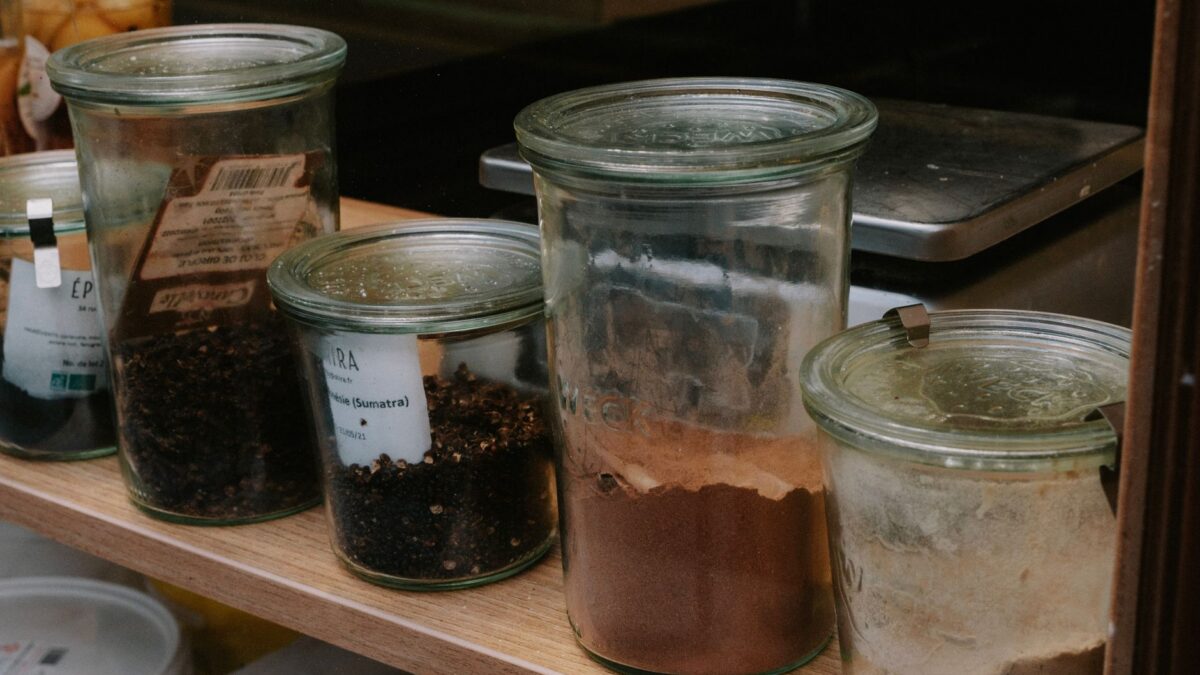
Mold mites are tiny, pale, slow-moving mites that feed on mold and fungi growing in damp places, including stored foods such as flour, grains, cheese and dry pet food. They appear when humidity stays high and mold starts to grow. The way to get rid of mold mites is to remove what they eat: throw out infested food, clean and dry the area, and bring indoor humidity down so mold cannot come back.
Mold mites do not bite people and do not live on pets or in beds. They can still irritate skin and trigger allergy symptoms in some people, and a large infestation usually points to a moisture problem that needs fixing.
What are mold mites?
Mold mites are very small arachnids, close relatives of ticks and spiders, that feed mainly on mold, fungi and food rich in fat and protein. The most common household species is Tyrophagus putrescentiae, sometimes called the mold mite or cheese mite. Its relative the grain mite (Acarus siro) infests flour and cereals in much the same way.
- Size: under about 1/50 inch (0.5 mm), so a single mite is close to invisible.
- Color: white to pale gray or tan, with a soft, rounded body.
- Movement: slow crawling, usually in groups.
Many people first notice them as a fine, light-colored “dust” on a shelf, a jar lid or the surface of food that seems to move when looked at closely. Mold mites are a different group from house dust mites, which feed on shed skin in bedding and carpets; for those, see our guide on getting rid of dust mites.
Why do mold mites show up in damp homes?
Mold mites need moisture and mold, so they show up wherever both are present. They breed fastest in warm rooms with relative humidity above about 65 percent and struggle to survive when the air stays below about 50 percent.
Common places to find them include:
- Basements, crawl spaces and closets with poor air flow.
- New homes or renovated rooms where plaster, drywall or wood is still drying out.
- Walls and window sills with condensation, and areas near plumbing leaks.
- Bathrooms, especially on grout, caulk and ceilings that stay wet.
- Damp cardboard boxes, old books, upholstered furniture and stored clothes.
If you see mites, look for the mold they are eating. A musty smell is a common clue, and our guide to tracking down a mold smell covers where to look.
Why are mold mites in my pantry and stored food?
Stored food gives mold mites both food and shelter when it absorbs moisture. Flour, grains, cereals, dried fruit, nuts, seeds, cheese, ham, dry pet food and birdseed are the usual targets, especially in opened bags kept in a warm, humid cupboard or garage.
Signs of an infested food item:
- A fine, light brown or gray powder on the surface or in the corners of the package.
- A sweet, sharp or “minty” musty odor.
- Food that clumps or looks damp.
- Powder that appears to move when left still for a minute.
Mites usually arrive in packaged food or spread from a damp area nearby. One infested bag can spread them to others on the same shelf.
Are mold mites harmful?
Mold mites are a nuisance and an allergy concern, and they are not known to spread disease. Handling heavily infested food can cause an itchy rash sometimes called grocer’s itch, and the mites and their droppings can trigger sneezing or asthma symptoms in sensitive people. Do not eat food that has visible mites or mold. If someone has trouble breathing or a rash that does not clear, contact a doctor.
How do I get rid of mold mites?
Remove the food source, clean, then dry the area and keep it dry. Insecticide sprays are rarely needed and do nothing about the mold that keeps the mites coming back.
- Find every source. Check all open food packages in the cupboard, pet food, birdseed and nearby boxes. Look for mold on walls, ceilings and window frames in the affected room.
- Throw out infested items. Seal infested food in a plastic bag and put it in an outside trash can.
- Vacuum the area. Vacuum shelves, corners and cracks with a crevice tool, then empty the canister or remove the bag outdoors.
- Wash surfaces. Wipe shelves and containers with hot, soapy water and dry them completely. Do not mix cleaning products. Follow label directions for any cleaner and keep the room ventilated.
- Treat the mold. Clean small patches of mold on hard surfaces with detergent and water, and dry the area. For walls, see our guide on removing mold from walls. The U.S. Environmental Protection Agency advises hiring a professional for a mold area larger than about 10 square feet.
- Lower the humidity. Run a dehumidifier or air conditioner, use exhaust fans in kitchens and bathrooms, and fix leaks. Aim to keep indoor humidity below 50 percent; a cheap hygrometer will show the level.
- Freeze food you want to keep. Food that looks clean but sat near an infested item can go in the freezer at 0°F (-18°C) for at least 4 days to kill any mites or eggs.
Expect a few mites to keep appearing for a week or two after cleaning. If they are still there after several weeks with low humidity, there is a hidden source, such as mold inside a wall or under flooring.
How do I keep mold mites from coming back?
Keep things dry and keep food sealed.
- Store flour, grains, cereals and pet food in airtight glass, metal or hard plastic containers.
- Buy dry goods in amounts you will use within a few months, and use older stock first.
- Keep food cupboards away from stoves, dishwashers and outside walls that collect condensation.
- Wipe up spills and crumbs on shelves quickly.
- Store items in basements and garages in plastic bins, off the floor.
- Check humidity in damp seasons and run a dehumidifier when it climbs.
Quick answers
Can mold mites live in beds or on people?
No. Mold mites feed on mold and stored food and do not live on people or in clean, dry bedding. Mites found in a mattress are more likely to be dust mites.
Do mold mites mean my house has a mold problem?
Usually yes. A steady population means mold is growing somewhere nearby, often in a spot with a leak, condensation or poor ventilation.
Will mold mites die on their own?
They die off when the air stays dry and their food is gone. With humidity under 50 percent and the infested items removed, the population drops over a few weeks.
Is it safe to eat flour that had a few mites in it?
No. Throw away any food with visible mites, powder or mold, because the mites and their waste can cause allergic reactions.