Termite Inspection: What Inspectors Check, Warning Signs and Typical Costs
Learn what a termite inspector looks at, the signs of termites to watch for at home, what affects the price of an inspection and what to do if activity is found.
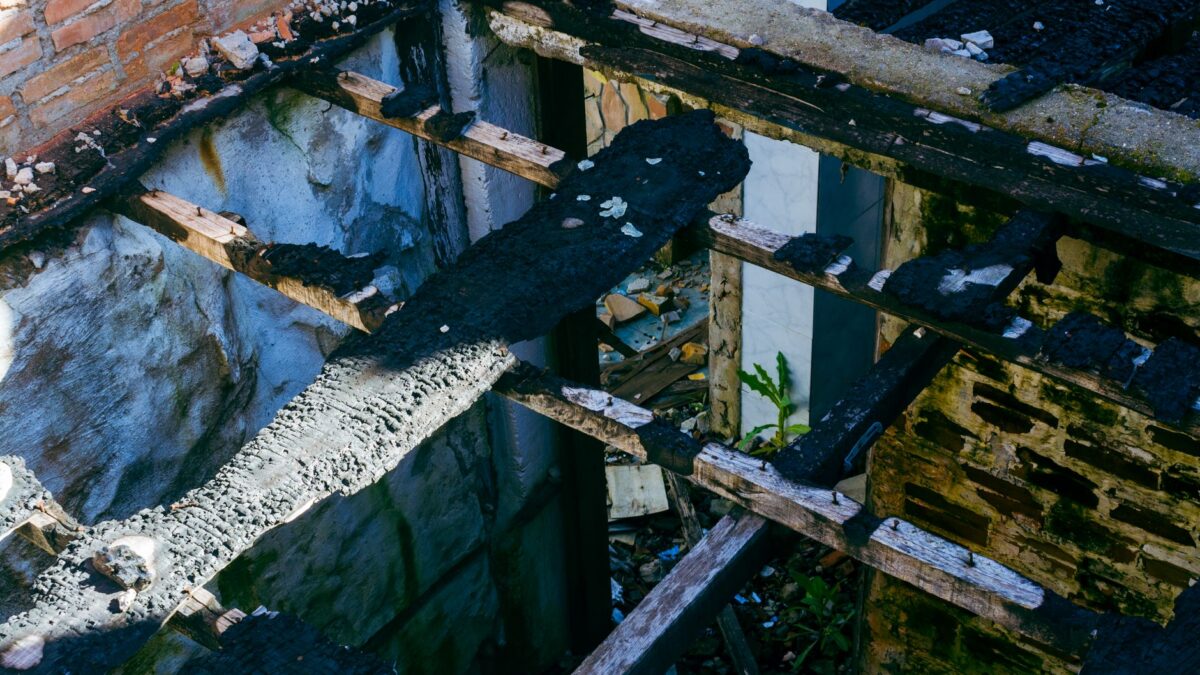
A termite inspection is a visual check of a building by a trained inspector who looks for live insects, damage and the conditions that attract them. It usually takes about an hour or two for an average home, and the result is a written report that says whether activity or damage was found. Prices vary a lot by region, house size and company, so the best approach is to get quotes from several licensed providers and ask exactly what each one covers.
What inspectors check
Inspectors work through the property from the outside in. Typical areas include:
- The foundation and exterior walls: cracks, mud tubes (thin earthen tunnels termites build to travel safely) and wood touching soil.
- Crawl spaces and basements: floor joists, sill plates and support posts, tapped or probed with a screwdriver to test for hollow or soft wood.
- Attics: roof timbers, especially near leaks, where moisture-damaged wood is easier for pests to attack.
- Doors, windows and trim: warped frames, bubbling paint and small holes.
- Outbuildings and wood in the yard: decks, fences, sheds, stumps, firewood piles and mulch against the house.
- Plumbing entry points: places where pipes pass through walls or slabs, since moisture gathers there.
Many inspectors also use a moisture meter to find damp areas. Some use thermal cameras or listening devices, but a careful visual and probing inspection is the standard method. Furniture, stored boxes and insulation can hide problems, so clear access to the areas listed above beforehand.
Signs of termites you can spot yourself
You do not need to wait for a scheduled inspection to notice warning signs. Look for:
- Mud tubes on foundation walls, in crawl spaces or on beams.
- Discarded wings near windowsills, doors or lights. Winged reproductive termites swarm in the spring in many regions and then shed their wings.
- Hollow-sounding wood when you tap it, or wood that gives way under light pressure.
- Frass, the small pellets of wood-colored droppings that drywood termites push out of tiny holes.
- Blistered or sagging paint, buckling floors or doors and windows that suddenly stick.
Flying ants and winged termites look alike at a glance. Termites have a thick waist, straight antennae and two wings of equal length, while ants have a pinched waist, elbowed antennae and wings of unequal length. If you are unsure, save a sample in a sealed container and show it to a pest professional.
What a termite inspection costs
Costs depend on where you live, the size of the home, how many outbuildings need checking and whether the report is for a home sale. Many companies offer free or low-cost inspections when they hope to be hired for treatment, while independent inspectors charge a flat fee, often modest compared with the cost of repairs. Home-sale reports, sometimes required by lenders in termite-prone areas, can be priced differently. Ask these questions when you compare quotes:
- Is the inspection free, and is there any obligation to buy treatment?
- Does the price include crawl spaces, the attic and outbuildings?
- Will I get a written report that I can give to a buyer or lender?
- Is the inspector licensed where I live, and does the company carry insurance?
Treatment costs are separate and depend on the termite type and the method used, so get written quotes and compare what each one includes. A second opinion is reasonable before you agree to a large job.
How to prepare for the visit
- Move stored items away from foundation walls, the crawl-space entry and the attic hatch.
- Make sure the inspector can reach the electrical panel, garage and any locked outbuildings.
- Write down anything you have noticed, such as swarms, soft wood or past leaks. A leaking pipe may also point to the issues described in this guide on water damage on a ceiling.
- Share any earlier treatment records or warranties.
If termites are found
Do not disturb the area, because that can scatter the insects. Ask the inspector to document the location and extent of activity and damage, and get a written treatment plan. Treatment is a job for licensed professionals, since products and methods are regulated and misuse can be dangerous to people and pets. Follow label directions and the company’s instructions on leaving the home during treatment, and keep children and pets away from treated areas. Fixing the moisture that attracted the termites, such as leaks, poor drainage or damp crawl spaces, helps prevent a return. Keeping firewood and mulch away from the house also helps. If you also cut costs by trying to repair rather than replace damaged parts, the questions in this piece on repairing or replacing things can help you weigh up a decision, though structural wood damage should always be assessed by a qualified builder.
Quick answers
How often should a home be inspected?
Many pest professionals suggest a yearly check in termite-prone areas, and an inspection before buying a home. Follow local advice, since risk differs by region.
Does a clean report mean I am safe forever?
No. It only says no signs were found at the time of the visit, and hidden activity is possible. Regular checks and good moisture control matter.
Can I treat termites myself?
Do-it-yourself products rarely deal with a whole colony. Call a licensed pest professional, and follow the label on any product you do use.