How to Clean a Front-Load Washer Gasket and Stop Mold in the Seal
Black spots and a sour smell in the door seal are common in front loaders. A monthly scrub, a dry towel and an open door fix most of it.
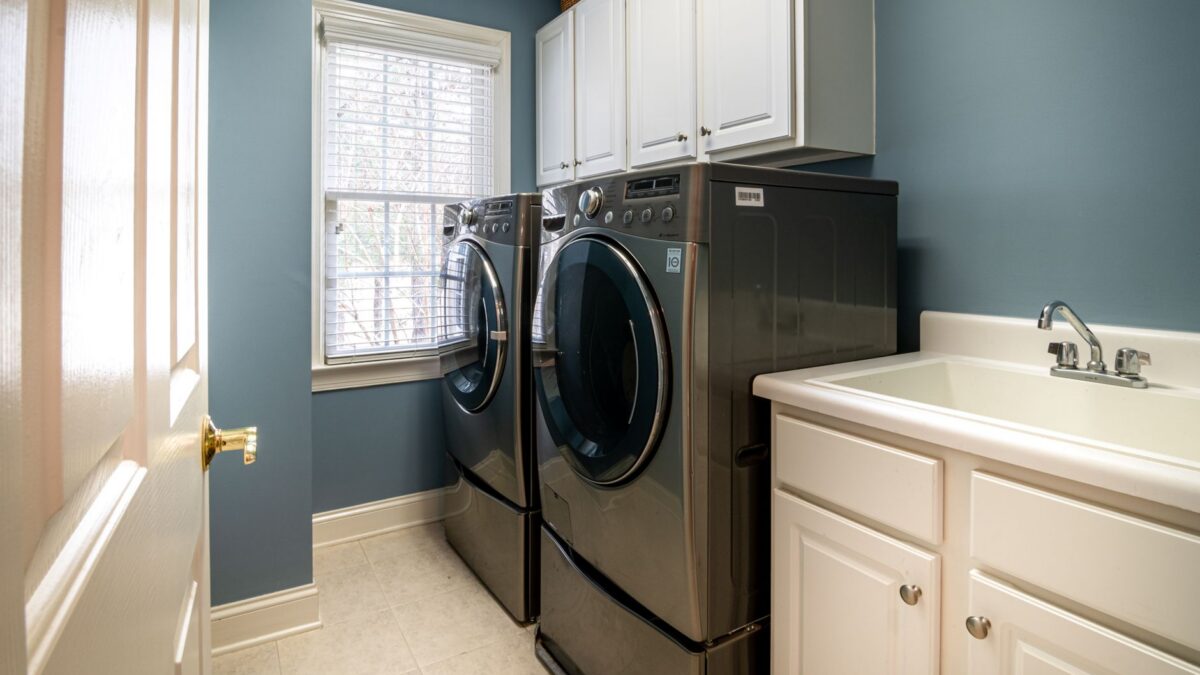
To clean a front-load washer gasket, pull out any debris trapped in the folds, scrub the rubber with a diluted oxygen bleach solution or the cleaner your manual recommends, wipe it completely dry, and leave the door open until the drum is dry. Do it at least once a month. The most important habit is the simplest: leave the door and detergent drawer open after every load so moisture can escape.
The gasket (also called the door boot or bellows) is the rubber ring that seals the door. Its folds hold water, lint, hair and detergent residue, and in a closed, damp machine that mix becomes slime, a musty smell and dark mold spots.
What you need
- Rubber gloves
- Oxygen bleach powder, or the gasket or washer cleaner your manual names
- A bucket of warm water
- An old toothbrush and a soft cloth or sponge
- A dry towel
- Paper towels for scooping out debris
Step-by-step: cleaning the seal
- Empty the drum and open the door fully.
- Pull back the folds of the gasket, starting at the bottom (around the six o’clock position), where water and debris collect. Remove hair pins, coins, lint and socks with a paper towel.
- Mix a mild cleaning solution. LG’s guidance for mold in the door gasket is to dissolve 5 g of oxygen bleach in 5 L of warm water and scrub the gasket wearing rubber gloves. Other makers may name their own cleaner; follow your manual if it differs.
- Scrub every fold. Use the cloth for flat areas and the toothbrush for the grooves and the drain holes at the bottom of the seal. Work all the way around, including the inner lip that touches the drum.
- Wipe with clean water to remove residue.
- Dry thoroughly with a towel, including inside the folds and the door glass.
- Leave the door open until everything is completely dry. Running your machine’s tub-clean cycle afterward helps clean the parts you cannot reach.
What about chlorine bleach?
Some washer manuals allow a diluted chlorine bleach wipe on the gasket or chlorine bleach in the tub-clean cycle; others recommend oxygen bleach or a dedicated cleaner because strong chlorine can wear rubber over time. Use whatever your manual specifies, diluted as the bleach label directs.
Never use chlorine bleach together with vinegar, ammonia or any acidic or ammonia-based cleaner, and do not switch from one to another on the same surface without rinsing with water first. These combinations can release toxic gases. Run the exhaust fan or open a window, keep products in their original containers, and store them away from children and pets. If someone swallows, inhales or gets a cleaning product in the eyes, call Poison Control at 1-800-222-1222 (US) or emergency services.
Spots that will not come out
Dark spots that remain after cleaning are often stains in the rubber, not active growth. Mold can discolor the material permanently. If the seal is clean, dry and no longer smells, the stain alone is cosmetic. Repeated scrubbing with harsh products can damage the rubber.
Replace the gasket if it is torn, cracked, leaking, or if spots and odor keep returning even with good habits. A replacement seal is a model-specific part; some owners fit it themselves using the service manual, but it involves removing clamps and sometimes the front panel, so a technician is a reasonable choice. LG notes that a gasket cleaning visit is not treated as a warranty repair, so check what your warranty covers before booking.
Curious whether the spots are mold or mildew? Our explainer on black mold vs mildew covers what the colors do and do not tell you.
Why the seal gets moldy in the first place
| Cause | Why it matters | Fix |
|---|---|---|
| Door kept shut between loads | Moisture cannot evaporate | Leave the door and drawer open after each wash |
| Too much detergent | Residue feeds odor-causing growth | Measure; HE machines need small doses |
| Non-HE detergent | Extra suds leave film | Use detergent marked HE |
| Only cold washes | Residue and body soil build up | Run a warm or hot cycle now and then and a monthly tub clean |
| Wet laundry left in the drum | Adds hours of trapped moisture | Unload as soon as the cycle ends |
| Liquid softener overuse | Leaves a waxy coating in the seal and drawer | Use less, or skip it for towels |
Detergent dose is the factor most people underestimate. Front loaders use little water, so any extra soap stays behind. See how much laundry detergent to use for HE dosing tips.
A simple prevention routine
- After every load: unload promptly, leave the door and drawer slightly open, and wipe the bottom of the gasket with a dry towel if water sits there.
- Weekly: a quick wipe of the folds with a damp cloth.
- Monthly: the full scrub above, plus your machine’s tub-clean cycle. Our guide to cleaning a washing machine covers the drawer and drain filter too.
If you have small children or pets, an open door can be a hazard. Many doors have a magnet or latch that holds them slightly ajar, and some makers sell a door stopper. Otherwise prop it only when the room is closed off, and always check the drum before starting a cycle.
Bottom line
Scrub the gasket monthly with diluted oxygen bleach or the cleaner your manual names, dry it fully, and leave the door open after each load. Use less HE detergent and run a monthly tub clean. If a seal is torn or the smell keeps returning, replacement is often the real fix.
FAQ
Can I use vinegar on my washer gasket?
Some people do, but some manufacturers advise against vinegar because it can wear rubber over time. Check your manual, and never use vinegar on a gasket that still has bleach on it.
Is the black stuff in my washer seal dangerous?
It is usually mold and mildew mixed with residue. Clean it with gloves on and keep the area ventilated. If you have health concerns or symptoms, talk to a doctor.
How often should I clean the gasket?
At least once a month, with a quick wipe weekly. In humid weather or in a heavily used machine, more often helps.
Why does my front loader smell like mildew even with a clean seal?
Check the drain pump filter, the detergent drawer cavity and your detergent dose. Residue in those areas is a common source.