Black Mold vs. Mildew: How to Tell, and Why Color Doesn’t Matter
Mildew and black mold are everyday terms, not lab diagnoses. Here's what each usually means, why testing visible mold rarely helps, and how to clean it.
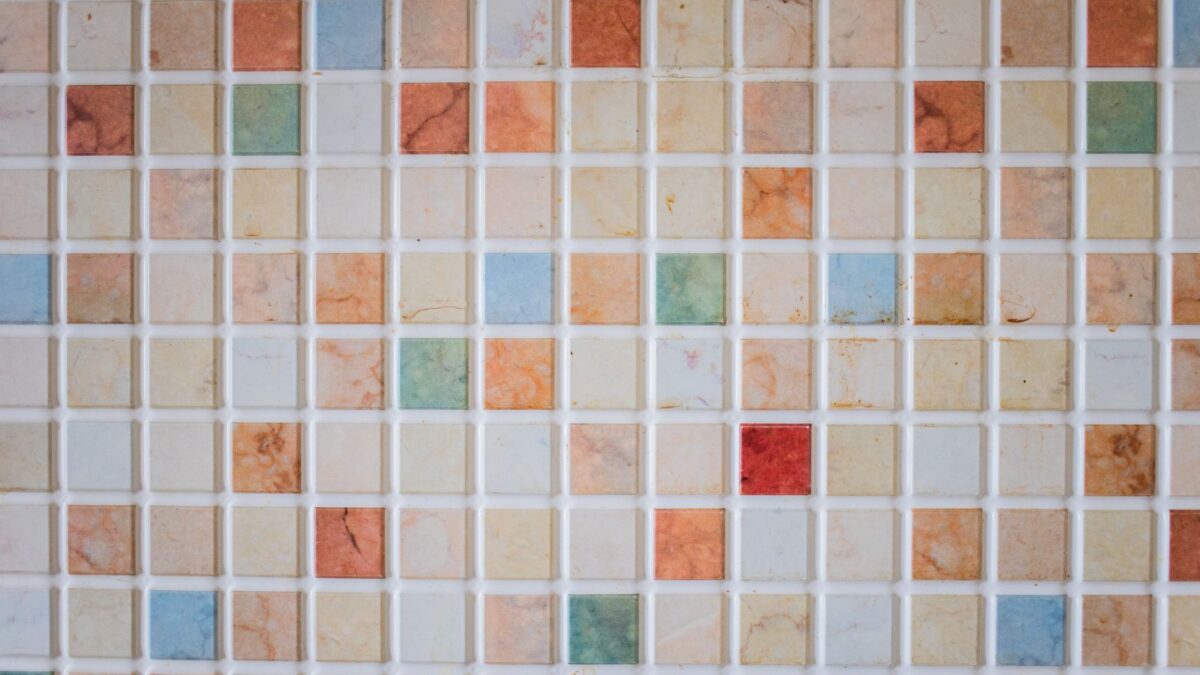
Mildew is an everyday word for mold that grows flat on surfaces, often as a powdery gray, white or light patch on shower grout, windowsills or fabric. “Black mold” usually means any dark mold, and you can’t tell the species, or how risky it is, from the color. The cleanup is the same either way: remove small patches with detergent and water, dry the area, and fix the moisture. The CDC and EPA say testing is usually unnecessary.
Mildew vs. mold: what’s the difference?
Mildew and mold are both fungi. In homes, “mildew” usually means early growth that stays on the surface. “Mold” covers thicker, fuzzier or spreading growth that can get into materials like drywall, wood and carpet. There is no clear line between them, and people use the words loosely.
| Typical “mildew” | Typical “mold” | |
|---|---|---|
| Look | Flat, powdery or speckled | Fuzzy, slimy or raised, sometimes in rings or blotches |
| Color | White, gray, yellowish, or dark speckles on grout | Green, black, gray, brown, white or orange |
| Where | Shower grout and caulk, windowsills, damp fabric | Drywall, ceilings, wood, carpet backing, behind furniture, basements |
| Depth | Usually on the surface | Can grow into porous materials |
| Fix | Scrub, dry, ventilate | Scrub hard surfaces. Porous materials may need replacing. |
What “black mold” really means
“Black mold” is often used to mean Stachybotrys chartarum, a greenish-black mold that grows on materials with lots of cellulose that stay wet for a long time, such as drywall paper, ceiling tiles and wood. But many common household molds can look black, dark green or gray. A dark spot on your shower caulk is not automatically Stachybotrys, and a lighter-colored mold is not automatically safe.
The CDC says you don’t need to know the type of mold before cleaning it up. Any mold growing indoors should be removed, and the moisture causing it should be fixed.
Mold can cause symptoms like a stuffy nose, sore throat, coughing or wheezing, burning eyes or skin rash in some people. People with asthma, mold allergies, weakened immune systems or chronic lung disease may react more strongly. If you have symptoms you think may be related to mold, see a doctor. Don’t rely on a color or a test kit to judge your health risk.
Should you test it?
Usually not. According to the EPA, if you can see mold, sampling is usually unnecessary. No EPA or other federal limits have been set for mold or mold spores, so a home test can’t tell you whether your level is “safe.” The CDC also points out that people react differently, so a number on a lab report can’t predict who will get sick.
Professional testing can make sense in a few cases:
- You smell mold strongly but can’t find it, and you suspect it’s inside walls or ductwork.
- A professional needs to confirm that a larger cleanup worked.
- A doctor, landlord dispute or insurance claim calls for documentation.
Save the money on a store-bought petri-dish kit. Mold spores are in almost every room, so these kits nearly always grow something.
How to clean mildew and small mold patches
What you need
- Dish detergent and warm water
- A soft brush or old toothbrush for grout
- Gloves, goggles and an N95 respirator for anything bigger than a few spots
- A fan or open window
Steps
- Open a window or run the exhaust fan.
- Scrub the spot with detergent and water.
- Rinse with clean water and dry the surface completely.
- If the stain remains on hard, non-porous surfaces like tile, you can use a bleach solution. Follow the label and use no more than 1 cup of household bleach per gallon of water, as the CDC advises. Rinse afterward.
- On fabric, wash the item on the warmest setting the care label allows and dry it fully.
Never mix bleach with ammonia, vinegar, acidic toilet or tile cleaners, or any other product. The fumes can be dangerous. Use one product, rinse with water, and only then try a different one. Wear gloves and test cleaners on a hidden spot first.
If someone swallows, inhales or gets a cleaning product in the eyes, call Poison Control at 1-800-222-1222 (US) or emergency services.
For bathroom-specific advice, see our guides to mold in the shower and the pink film in showers, which is usually not mold at all.
When it’s more than a cleaning job
Treat it as a bigger project, whatever the color, if:
- The mold covers more than about 10 square feet. The EPA suggests professional help at that size.
- It follows a flood, sewage backup or long-running leak.
- It’s growing on drywall, ceiling tiles or carpet. These may have to be removed.
- It’s in the heating, ventilation or air-conditioning system.
Read our step-by-step guide to getting rid of mold on walls, and the EPA’s mold and moisture guide.
Preventing both
- Keep indoor humidity below 60%, ideally 30% to 50%, as the EPA recommends.
- Run bathroom fans during showers and for a while after.
- Squeegee or wipe shower walls, and leave the curtain spread out to dry.
- Dry spills and leaks within 24 to 48 hours.
- Don’t put damp laundry or towels away.
Bottom line
Mildew and black mold are mostly words, not diagnoses. Color can’t tell you the species or the risk, and testing visible mold is usually a waste of money. Clean small patches on hard surfaces, replace soaked porous materials, call a pro for big or hidden problems, and fix the moisture.
FAQ
Is black mold more dangerous than other molds?
You can’t judge risk by color. Many dark molds are common household species. Health agencies treat all indoor mold the same way: remove it and fix the moisture.
Can I tell mildew from mold with a bleach test?
A dab of diluted bleach may lighten some mildew, but it doesn’t identify anything, and fumes in a small space are a bad idea. Just clean it.
Does mildew smell?
Often, yes. A musty smell usually means fungal growth somewhere, even if you can’t see it.
Is it safe to sleep in a room with a little mildew?
Small surface spots are common. Clean them soon and lower the humidity. If anyone has breathing symptoms, asthma or a weakened immune system, ask a doctor.