How to Clean an Oven: Self-Clean, Baking Soda Paste or Oven Cleaner
Three ways to get baked-on grease out of an oven, from the cheapest overnight paste to the high-heat cycle, and the mistakes that can damage the oven or fill the kitchen with smoke.
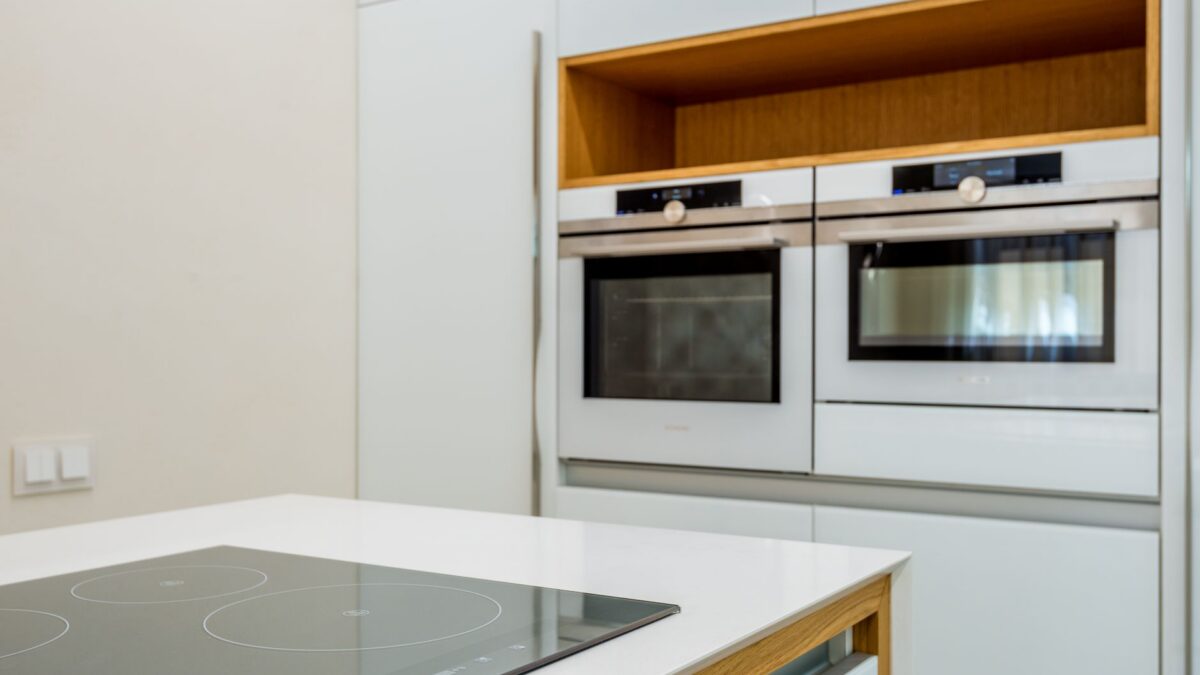
For most ovens, the cheapest reliable method is a baking soda and water paste left on overnight, then wiped off with a damp cloth and a plastic scraper. If your oven has a self-clean cycle, it burns residue to ash in a few hours, but take the racks out (unless your manual says they can stay), ventilate well and move pet birds to another room. Never run self-clean with commercial oven cleaner, foil or a heavy spill still inside.
Which method suits you depends on how dirty the oven is, what type it is and how much time you have. Here is how each one works and what to avoid.
Which method to use
| Method | Best for | Time | Watch out for |
|---|---|---|---|
| Baking soda paste | Any oven, including continuous-clean and ovens without self-clean | 15 minutes of work, 12 hours waiting | Takes elbow grease; rinse well so no white film bakes on |
| Self-clean (high heat) | Ovens with a pyrolytic cycle, heavy baked-on grime | Often 2 to 4 hours plus cooling, depending on model | Smoke and odor, very hot exterior, fumes harmful to birds |
| Steam clean | Light, fresh soil on models with a steam cycle | Usually under an hour | Not strong enough for old, carbonized grease |
| Commercial oven cleaner | Stubborn grease in ovens that are not self-cleaning | Per label, often 20 minutes to overnight | Caustic; gloves, ventilation and label directions are essential |
What you need
- Baking soda and water (about half a cup of soda, with water added a spoonful at a time)
- Rubber or nitrile gloves
- A plastic scraper or old spatula and a non-scratch sponge
- Microfiber cloths and a bowl of warm water
- A spray bottle of plain water or diluted white vinegar (optional, for the final wipe)
- Dish soap for the racks
Method 1: Baking soda paste (cheapest, no fumes)
- Empty the oven. Take out the racks, thermometer and anything stored inside. Let the oven cool completely.
- Scrape loose debris. Brush out crumbs and lift off loose, burnt pieces with the plastic scraper.
- Mix the paste. Stir water into the baking soda until it is like thick frosting.
- Spread it on. Wearing gloves, coat the floor, sides and back door panel. Keep it off the heating elements, the gas burner ports, the thermostat sensor and any door gasket.
- Wait overnight. About 12 hours gives the paste time to loosen grease.
- Wipe and scrape. Use the damp cloth and scraper to lift the paste and grime. Rinse the cloth often.
- Rinse. Mist with water (or diluted vinegar, which helps dissolve the white film) and wipe until no powder remains. Leftover paste will scorch the next time you bake.
- Dry and preheat. Leave the door open to dry, then run the oven briefly before cooking to drive off moisture.
Vinegar and baking soda fizz because they neutralize each other, so use them one after the other, not as a mixed “super cleaner.” More on that in our guide to baking soda and vinegar cleaning.
Method 2: The self-clean cycle
A pyrolytic self-clean cycle locks the door and heats the oven far above cooking temperatures so that food residue turns to ash. Manufacturers’ instructions differ by model, so check your manual first. The general steps:
- Remove the racks and everything else from the cavity. Many makers say to always take racks out; some allow specific porcelain-coated or dark enameled racks to stay. Shiny chrome or nickel racks can discolor and stop sliding smoothly. See how to clean oven racks for the hand-washing method.
- Wipe up big spills first. Heavy soil means more smoke and a longer cycle, and large greasy puddles can flare. Remove any foil or oven liners.
- Make sure no oven cleaner residue is inside. Commercial oven cleaners can damage the enamel during the high-heat cycle. If you used one earlier, rinse thoroughly first.
- Ventilate. Open a window and run the range hood. Some smoke and smell is normal.
- Move birds out. Appliance makers warn that self-clean fumes can kill pet birds. Put them in a closed, well-ventilated room away from the kitchen.
- Stay home and keep kids away. The oven front gets hot. Do not try to force the door open while it is locked.
- Wipe out the ash with a damp cloth once the oven has cooled and the door unlocks.
Do not use the self-clean cycle to remove a fresh, thick spill. Wipe it up first.
Method 3: Commercial oven cleaner
Traditional oven cleaners are strongly alkaline and can burn skin and eyes. They work, but follow the label exactly:
- Check that the product is suitable for your oven. Many labels say not to use it on self-cleaning or continuous-clean ovens, which have special coatings.
- Wear gloves and eye protection if the label says so, open windows and run the fan.
- Protect the heating elements, thermostat bulb, gaskets and nearby surfaces such as aluminum trim and countertops.
- Use one product only. Do not combine it with other cleaners, and never mix any cleaner with bleach.
- Rinse thoroughly with water afterward and keep the can in its original container, away from children and pets.
If someone swallows, inhales or gets a cleaning product in the eyes, call Poison Control at 1-800-222-1222 (US) or emergency services.
Cleaning the oven door glass
The inside of the door is usually the dirtiest part. Spread baking soda paste on the glass, wait 20 to 30 minutes, then wipe with a damp microfiber cloth and buff dry. For stubborn brown spots, gently use a plastic scraper or a razor scraper held flat, if your manual allows it on that glass. Avoid steel wool and gritty powders, which leave scratches.
Grime between the panes usually means drips ran down through the vent slots. Some doors can be removed and opened for cleaning per the manual; if yours cannot, leave it to a technician rather than prying the glass.
Keeping it clean longer
- Put a sheet pan on the rack below dishes that bubble over. Don’t line the oven floor with foil; many makers warn it can trap heat and damage the finish.
- Wipe spills once the oven is cool but before they bake on again.
- Do a quick paste clean every few months instead of a heavy cleaning once a year.
Planning a big cooking day? Our Thanksgiving cleaning checklist puts the oven on the right day of the countdown.
Bottom line
Start with baking soda paste: it costs very little, works on every oven type and creates no fumes. Use self-clean for heavy, carbonized grime, but follow your manual on racks, ventilate, and keep birds and kids away. Save commercial oven cleaners for ovens that allow them, and rinse every product off completely.
FAQ
How often should I clean my oven?
Wipe spills as they happen and do a thorough clean every three to six months, or sooner if the oven smokes when you preheat.
Is it safe to be in the house during self-clean?
Generally yes, with windows open and the range hood running. Manufacturers specifically warn about birds, which are very sensitive to the fumes, so move them away. Don’t leave home while the cycle runs.
Can I use oven cleaner in a self-cleaning oven?
Usually not. Many manufacturers prohibit commercial oven cleaners inside self-cleaning ovens because the residue can damage the interior during the cycle. Check your manual.
Why does my oven smell after cleaning?
Leftover baking soda, cleaner residue or a bit of ash can scorch on the first preheat. Wipe again with plain water, then run the oven empty for a short time with the hood on.