How to Clean a Burnt Pan: Stainless, Nonstick, Cast Iron, Enamel and Aluminum
The right fix for a scorched pan depends on what it is made of. A baking soda simmer rescues most pans, while oxalic acid cleansers, steel wool and bleach suit some materials and wreck others.
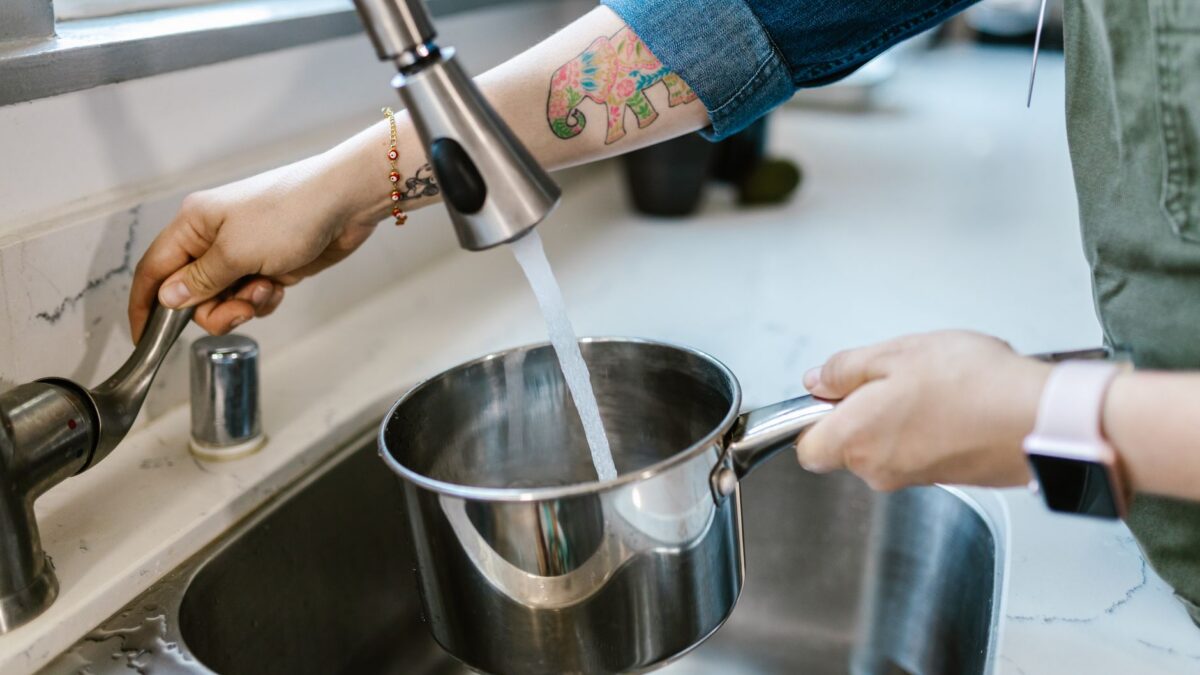
For most burnt pans, the first fix is to cover the burnt area with water, add a couple of tablespoons of baking soda, bring it to a simmer for about 10 to 15 minutes, let it cool, then scrape with a wooden spatula and scrub. What comes next depends on the material: stainless steel can handle an oxalic acid cleanser, nonstick needs only soft sponges, cast iron should be scrubbed and re-seasoned, and aluminum may discolor with long alkaline soaks. Never mix an acidic cleanser with bleach.
Scorched food sticks because sugars and proteins carbonize onto the metal. Heat, water and time soften the layer; the right scrubber removes it without damaging the pan.
What you need
- Baking soda
- Dish soap
- A wooden spoon or spatula and a plastic scraper
- A non-scratch sponge, and a nylon brush
- For stainless only: an oxalic acid cleanser (sold as powder or liquid cookware cleansers)
- Rubber gloves
The baking soda simmer (start here)
- Scrape out loose food once the pan has cooled a little.
- Add water to cover the burnt area by about an inch.
- Stir in baking soda, about two tablespoons for an average saucepan.
- Bring to a gentle simmer for 10 to 15 minutes. Watch it; it can foam up.
- Turn off the heat and let it cool until safe to handle.
- Scrape with a wooden spatula, then pour out the water and scrub with a sponge and dish soap.
- Repeat if needed. Very old, thick layers may take two or three rounds.
Skip this method for cast iron (it strips seasoning) and limit it on bare aluminum. Some people add vinegar to the water for fizz; the two neutralize each other, so it adds little. See baking soda and vinegar cleaning for when each one actually helps.
By material
| Material | Works | Avoid |
|---|---|---|
| Stainless steel | Baking soda simmer, baking soda paste, oxalic acid cleanser, nylon or stainless-safe scrubbers | Chlorine bleach, leaving salty or acidic food sitting in it |
| Nonstick (PTFE or ceramic) | Soak in warm soapy water, gentle baking soda paste, soft sponge | Steel wool, scouring powder, oxalic acid cleansers, overheating an empty pan |
| Cast iron (bare) | Scraping, hot water, coarse salt scrub, dish soap, re-seasoning | Long soaks, the dishwasher, acid cleansers |
| Enameled cast iron | Soak, baking soda simmer, maker-approved enamel cleaners | Metal scourers and metal utensils, sudden temperature changes |
| Aluminum (uncoated) | Soak in soapy water, gentle scrub, short simmer | Long baking soda soaks and dishwasher detergent, which can darken it |
Stainless steel
Stainless is the most forgiving. After a baking soda simmer, use a paste of baking soda and a little water for remaining brown marks. For rainbow heat tint and stubborn stains, an oxalic acid cleanser works well: wet the pan, sprinkle or apply a small amount, rub with a damp sponge for a minute, then rinse thoroughly. Wear gloves and avoid breathing the powder.
The manufacturer’s safety data sheet for one common oxalic acid cleanser lists chlorine bleach and ammonia as incompatible. Never combine these cleansers with bleach or other products, and rinse the pan with water before switching to anything else.
Nonstick pans
Nonstick coatings scratch easily, and many cookware makers advise replacing a pan once the coating is badly worn or flaking.
- Let the pan cool fully; don’t plunge a hot pan into cold water, which can warp it.
- Soak in warm water with dish soap for 30 minutes.
- Wipe with a soft sponge. For residue, rub a baking soda paste gently with your fingers or a soft cloth.
- Rinse and dry.
Burnt, sticky patches on nonstick are often polymerized oil. Patience with soaking works better than force.
Cast iron
Bare cast iron is cleaned differently. Scrape out burnt food, scrub with hot water and a stiff brush or a coarse salt paste, then dry the pan on the stove and wipe on a thin coat of oil. If burning damaged the seasoning, re-season it. Our full guide to cleaning a cast iron skillet covers rust and re-seasoning step by step.
Enameled cast iron
Enamel is glass fused to iron. Let the pot cool, soak in warm soapy water, then try the baking soda simmer. Use a nylon scrubber; metal scourers and metal utensils can chip or dull the enamel. Some enamel cookware makers sell their own cleaners; follow their care pages.
Aluminum
Uncoated aluminum reacts with strong alkalis and acids. A short baking soda simmer is usually fine, but long soaks or harsh dishwasher detergent can darken it. For discoloration, many people simmer a little lemon juice or cream of tartar in water briefly, then wash. Anodized aluminum should be cleaned per the maker’s instructions.
Roasting pans and sheet pans
Large pans with baked-on drippings respond to the same ideas: a long soak, a baking soda paste and patience. See how to clean a roasting pan for disposing of grease safely too.
Chemical safety
Follow every product label, ventilate the kitchen, and wear gloves with acid cleansers. Don’t use more than one cleaner at a time, and keep products in their original containers, away from children and pets. If someone swallows, inhales or gets a cleaning product in the eyes, call Poison Control at 1-800-222-1222 (US) or emergency services.
Bottom line
Simmer water with baking soda to lift most burnt food, then match the scrub to the pan: oxalic acid cleanser for stainless, soft sponges only for nonstick, salt and re-seasoning for cast iron, nylon pads for enamel and short soaks for aluminum. Never pair acidic cleansers with bleach.
FAQ
Can I use steel wool on a burnt stainless pan?
It will scratch the finish. A baking soda paste or an oxalic acid cleanser with a non-scratch pad usually works as well without the scratches.
Is a burnt nonstick pan still safe?
Many makers advise replacing nonstick pans once the coating is badly scratched or flaking. Light discoloration alone is cosmetic.
Does a dryer sheet soak work on burnt pans?
It is a popular tip, but there is no manufacturer guidance behind it, and it adds residue you must wash off. Hot water with dish soap or a baking soda simmer does the same job.
Why did my aluminum pan turn dark?
Alkaline products such as baking soda and dishwasher detergents can discolor uncoated aluminum. A brief simmer with an acidic ingredient like lemon juice, then a wash, often lightens it.