How to Remove Yellow Stains From Pillows (and When to Replace Them)
Most yellowing is sweat and skin oil soaked into the pillow cover and fill. Washable pillows can usually be brightened; foam pillows need a gentler approach.
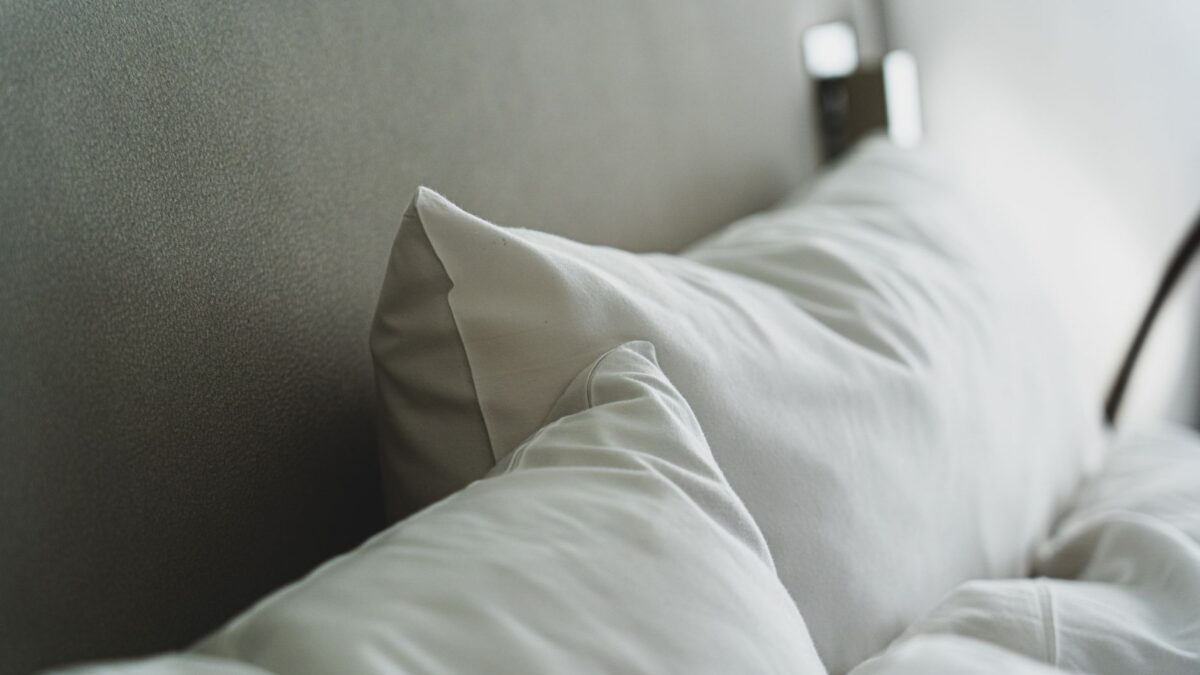
To remove yellow stains from pillows, check the care label, pretreat the stains with an enzyme detergent, then machine wash washable pillows in the warmest water the label allows with detergent and an oxygen bleach product, and dry them completely on low heat. Memory foam and latex pillows usually can’t go in the washer, so spot clean them instead. A pillow that stays damp inside can grow mildew, so drying is the step not to rush.
Pillows yellow gradually. You sweat a little every night, skin oils and hair products rub off, and going to bed with wet hair adds moisture. All of that soaks through the pillowcase into the cover and the fill.
What causes yellow pillow stains
| Cause | What it looks like | Best fix |
|---|---|---|
| Sweat and body oils | Even yellowing, darker in the middle | Enzyme pretreat, warm wash, oxygen bleach |
| Drool and makeup | Patchy spots on one side | Enzyme spot treatment before washing |
| Wet hair and humidity | Yellow-brown rings, musty smell | Wash and dry fully; check for mildew |
| Water damage or spills | Tide-mark ring with a brown edge | Wash whole pillow; ring may need several cycles |
| Age | Overall yellow-gray tone that doesn’t wash out | Usually time to replace |
What you need
- The pillow’s care label
- Liquid laundry detergent with enzymes
- An oxygen bleach product (sodium percarbonate based) safe for the fabric
- A front-load washer or a top loader without a center agitator, if possible
- Wool or rubber dryer balls, or clean tennis balls in a sock
Step 1: Check what kind of pillow you have
- Polyester fiberfill: usually machine washable.
- Down and feather: often machine washable on a gentle cycle; dry very thoroughly.
- Memory foam and shredded foam: generally not machine washable. Wash the removable cover only and spot clean the foam.
- Latex: spot clean only in most cases.
- Buckwheat: empty the hulls and wash the cover.
The care label overrides everything here. Our guide to how to wash a pillow goes into detail by fill type.
Step 2: Wash and whiten a washable pillow
- Remove the pillowcase and any protector. Wash those separately.
- Pretreat. Rub a little enzyme detergent into the yellow areas and let it sit for 15 to 30 minutes.
- Soak if the stains are heavy. Dissolve oxygen bleach in warm water in a tub or large sink, following the package amount, and submerge the pillow for the time the label recommends. Press it down so it soaks through.
- Load two pillows. Washing two at once keeps the drum balanced.
- Wash. Use a gentle or bulky cycle at the warmest temperature the label allows, with a modest amount of detergent and oxygen bleach if you didn’t soak.
- Add an extra rinse. Pillows hold a lot of detergent, and leftover soap can attract more dirt and leave a residue.
- Spin again if the pillow still feels heavy with water.
Oxygen bleach is gentler than chlorine bleach and safer for most colored covers. Chlorine bleach is only an option for white cotton covers whose label allows it, and it can make yellowing from sweat worse rather than better. Never combine chlorine bleach with oxygen bleach, vinegar, ammonia or other products. For more whitening options, see how to whiten without bleach.
Step 3: Dry it completely
- Tumble dry on low or the setting on the label, with dryer balls to break up clumps.
- Every 30 minutes, take the pillows out, fluff them and squeeze to feel for damp spots inside.
- Keep going until they feel dry all the way through. Down and thick fiberfill pillows can take several cycles.
- If you’re unsure, finish by air-drying in a warm, dry room or in the sun for a few hours.
A pillow that’s damp in the middle can develop a musty smell and mildew, which makes the yellowing worse. The EPA advises drying wet items within 24 to 48 hours to prevent mold growth (EPA mold and moisture guide).
How to treat a foam pillow
- Remove and wash the cover per its label.
- Vacuum the foam with an upholstery tool.
- Mix a teaspoon of mild detergent in a cup of warm water. Dab it onto stains with a cloth; don’t soak the foam.
- Blot with a clean cloth dampened in plain water to rinse.
- Air-dry completely away from direct heat. Check the manufacturer’s instructions, as some foams shouldn’t get wet at all.
Foam yellows naturally with age and light exposure. That color change is not dirt and usually won’t wash out.
When to replace a pillow
Washing helps, but it can’t fix a pillow that has worn out. Consider replacing it if:
- It stays lumpy, flat or doesn’t spring back when you fold it and let go.
- It smells musty or sour even after a thorough wash and dry.
- You see mildew spots inside the cover.
- Stains remain after two or three proper washes.
- You wake up with a stiff neck or more allergy symptoms than usual. If symptoms persist, talk to a doctor.
Prevent yellowing next time
- Use a zippered pillow protector under the pillowcase, and wash it regularly.
- Change pillowcases often; see how often to wash sheets for a routine.
- Dry your hair before bed when you can.
- Let skin creams and hair products absorb before lying down.
- Air pillows in the sun on dry days.
Safety notes
- Follow the care label and the directions on detergent and bleach packages.
- Use only one bleach product at a time, and never mix bleaches with other cleaners.
- Keep laundry products, especially pods, in their original containers and out of reach of children and pets.
- If someone swallows, inhales or gets a cleaning product in the eyes, call Poison Control at 1-800-222-1222 (US) or emergency services.
Bottom line
Yellow pillows are mostly sweat and oil. Pretreat with enzyme detergent, wash washable pillows warm with oxygen bleach, add an extra rinse, and dry them completely. Spot clean foam and latex. If a pillow stays yellow, lumpy or smelly after a couple of good washes, replace it and use a protector on the new one.
FAQ
Can I put a pillow in the dryer on high?
Low or medium heat is safer for most fills and covers. High heat can damage synthetic fibers. Follow the care label.
How often should I wash pillows?
There is no single official schedule. Washing pillows every few months, and pillowcases and protectors far more often, is a common approach; the care label is the best guide for your pillow.
Does baking soda whiten pillows?
It can freshen the wash slightly, but oxygen bleach and enzyme detergent do much more for yellowing.
Is a yellow pillow unhygienic?
Yellowing itself is mostly sweat and oil residue. A musty smell or visible mildew is a better sign that it needs a deep clean or replacement.