How to Get Rid of the Smell in a Washing Machine (and Keep It Away)
That musty or sour smell comes from a film of detergent, fabric softener and grime that stays damp inside the machine. Clean the hidden spots, then let it dry out.
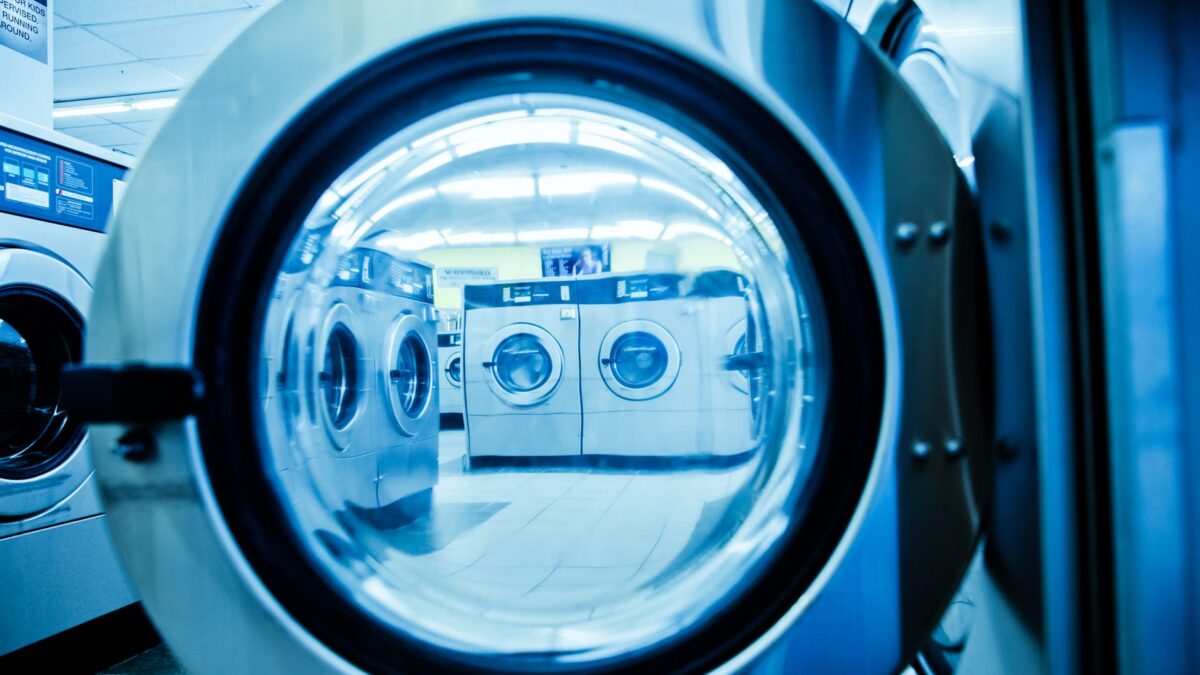
To get rid of a washing machine smell, wipe out the door gasket, clean the detergent dispenser and drain pump filter, then run the machine’s cleaning cycle (or its hottest, longest cycle) with a washer cleaner or liquid chlorine bleach as your manual directs. Afterward, leave the door and dispenser open so the drum dries. Use bleach or a washer cleaner or vinegar in a cycle, never a combination.
Most washer odors come from residue plus moisture. Leftover detergent, fabric softener, lint and body soil build up as a slimy film (often called biofilm) in places the water doesn’t fully rinse, and that film stays damp between loads. Bacteria and mildew grow in it, and the smell transfers to your laundry.
What you need
- Your washer’s manual (or the model’s support page)
- Rubber gloves
- Microfiber cloths and an old toothbrush
- Warm water and a little dish soap
- A washer cleaner product, or regular liquid chlorine bleach if your manual allows it
- Towels and a shallow pan (for the drain filter)
Where the smell hides
| Spot | Why it smells | How often to clean |
|---|---|---|
| Door gasket (front loaders) | Folds trap water, lint and residue | Wipe weekly; deep clean monthly |
| Detergent and softener dispenser | Undissolved product turns slimy | Monthly |
| Drain pump filter | Catches lint, coins and gunk in standing water | Per manual, often every few months |
| Drum and outer tub | Residue film coats surfaces you can’t see | Cleaning cycle monthly |
| Under the top-loader rim and agitator | Softener and detergent splash collects | Monthly |
Step-by-step: deep clean a smelly washer
- Unplug or switch off the washer before reaching inside the gasket or opening the filter.
- Clean the gasket. On a front loader, pull back the rubber seal and wipe inside the folds with warm soapy water. Remove hair, lint and any small items. Dark spots that don’t wipe off may be mildew staining; a cleaner your manual approves can help. Rinse with a damp cloth and dry.
- Clean the dispenser. Many dispenser drawers pull out completely (check the manual for the release tab). Soak it in warm soapy water, scrub with a toothbrush, rinse and dry. Wipe the cavity it slides into.
- Clean the drain pump filter. On many front loaders it sits behind a small panel at the bottom front. Put towels and a shallow pan down first, because water will drain out. Unscrew the filter slowly, empty it, rinse it, and screw it back firmly. Some top loaders have no user-serviceable filter; your manual will say.
- Run a cleaning cycle. Use the “Clean Washer” or “Tub Clean” setting if your machine has one, or the hottest, longest cycle with an empty drum. Add a washer cleaner, or liquid chlorine bleach in the amount the manual specifies. Whirlpool, for example, recommends its Clean Washer cycle monthly with a washer cleaner or liquid chlorine bleach, and warns against thickened or splash-less bleach because of excess suds (Whirlpool support). Other brands differ, so follow yours.
- Wipe and dry. When the cycle ends, wipe the drum, gasket and door glass dry and leave the door open.
More detail on each machine type is in our guides to cleaning a washing machine and cleaning a front-load washer gasket.
Bleach, vinegar or washer cleaner?
- Washer cleaner tablets or powders are made for this job. Use them as the package and your manual direct.
- Liquid chlorine bleach is approved by many manufacturers for cleaning cycles. Use the amount stated in the manual, regular (not thickened) bleach, and nothing else in that cycle.
- White vinegar is popular but isn’t a disinfectant, and some appliance makers advise against regular use of it. Check your manual before using it.
Never use bleach and vinegar together, in the same cycle or in back-to-back cycles without a full rinse in between. Bleach mixed with acids such as vinegar releases chlorine gas. If you want to use both on different occasions, run an empty rinse cycle in between.
Why the smell keeps coming back
- Too much detergent. Extra suds don’t rinse fully and feed the residue film. High-efficiency (HE) washers need HE detergent at the dose marked on the label, and that is often less than people pour. See how much laundry detergent to use.
- Lots of fabric softener. Liquid softener is a common source of sticky buildup.
- Only cold washes. Cold water saves energy and is fine for most loads, but residue builds faster. Running the cleaning cycle monthly offsets this.
- Closing the door after a load. Whirlpool and other makers recommend leaving the front-loader door ajar so the drum can dry. Leave the dispenser drawer slightly open too, if it’s safe in your home with children and pets.
- Leaving wet laundry in the drum. Move clothes to the dryer or line as soon as the cycle ends.
When the clothes smell but the washer doesn’t
If towels still smell musty after a clean machine, the problem is usually in the fabric: residue from detergent and softener, or towels that stayed damp too long. Our guide to getting the smell out of towels covers that fix.
When to call a technician
If a smell persists after a full clean, or it smells like sewage, there may be a drain or hose problem: a clogged drain line, a kinked hose, or standing water in the pump. A rotten-egg smell can also come from a dry drain trap nearby. Persistent odors after cleaning are worth a service call.
Safety notes
- Follow your washer manual and the product label for amounts and cycle settings.
- Wear gloves when handling bleach, and open a window or run the exhaust fan in the laundry area.
- Never combine bleach with vinegar, ammonia or other cleaners.
- Keep laundry products in their original containers, and store pods and tablets up high, out of reach of children and pets.
- If someone swallows, inhales or gets a cleaning product in the eyes, call Poison Control at 1-800-222-1222 (US) or emergency services.
Bottom line
Clean the gasket, dispenser and filter, run a hot cleaning cycle with one product the manual approves, and then let the machine dry between loads. Use less detergent and softener and move wet laundry promptly, and the smell is unlikely to return.
FAQ
How often should I run a washer cleaning cycle?
Many manufacturers suggest monthly. Check your manual; some machines show a reminder light.
Can I use baking soda in my washer?
Baking soda is a mild deodorizer, but it isn’t a disinfectant. If you use it, don’t add vinegar in the same cycle; the two simply neutralize each other.
Do top-load washers get smelly too?
Yes, though less often than front loaders. Residue collects under the rim, in the dispenser and around the agitator.
Is the black stuff on my gasket mold?
Often it’s mildew growing in residue. Clean it promptly and keep the door open to dry. If the rubber is cracked or permanently stained, a replacement gasket may be needed.