How Much Does Pest Control Cost? One-Time vs Quarterly Plans by Pest
Pest control cost depends on the pest, the size of the home and whether you pay once or sign a quarterly plan. See what drives quotes and how to compare them.

Pest control cost depends mostly on three things: which pest you have, how big and how badly infested the home is, and whether you buy a one-time treatment or a recurring plan. Ants, spiders and occasional invaders are the cheapest problems to treat, while termites and bed bugs cost the most because they need specialized methods and follow-up visits. Prices vary widely by region, so written quotes from two or three licensed companies are the only reliable way to know what a job costs where you live.
What is the difference between a one-time treatment and a quarterly plan?
A one-time treatment is a single visit aimed at a specific problem, while a quarterly plan is a service contract with four visits a year that keeps a barrier around the house. One-time jobs usually cost more per visit, because the technician has to inspect the whole property and treat an active infestation from scratch. Recurring plans spread that cost out, and the first visit is often priced higher than the later ones.
Most quarterly plans include:
- an initial inspection and a heavier first treatment, inside and out
- exterior perimeter treatments at each later visit, with interior treatment on request
- free callbacks between visits if covered pests come back
- a list of covered pests, usually ants, spiders, roaches, crickets, silverfish and similar insects
Termites, bed bugs, wildlife, mosquitoes and sometimes rodents are usually excluded from general plans and sold as separate services.
Which pests cost the most to treat?
Termites and bed bugs are the most expensive pests for most households, followed by rodents and German cockroaches. The rough order from lowest to highest cost looks like this:
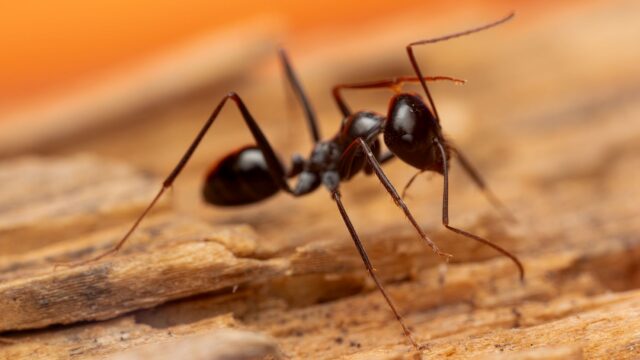
- Ants, spiders, silverfish and other occasional invaders: often handled in one or two visits, or included in a general plan.
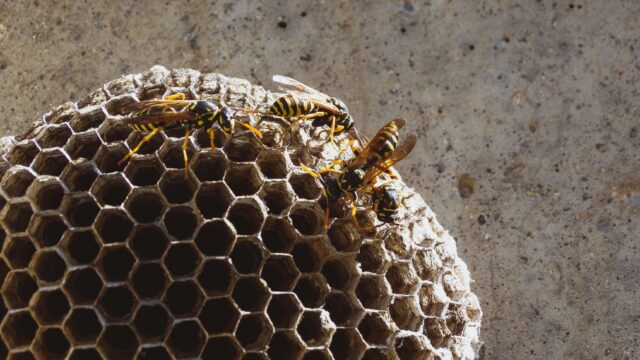
- Wasps and hornets: priced per nest, and higher when the nest is inside a wall or hard to reach.
- Fleas: usually two visits, timed together with treating the pets through your vet.
- Cockroaches: German cockroaches breed indoors and often need several follow-up visits with baits.
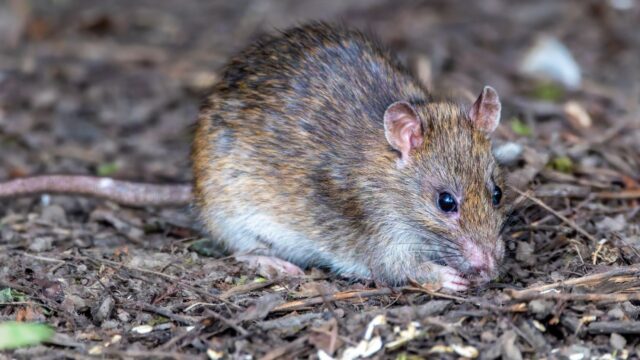
- Mice and rats: trapping plus sealing entry points (exclusion work), which adds labor and materials.
- Bed bugs: heat treatment or repeated chemical treatments of every infested room, plus inspections afterward.
- Termites: liquid soil treatments or bait systems around the whole foundation, often with an annual renewal fee for a warranty.
For termites, the price usually starts with an inspection. A termite inspection and what inspectors check is worth understanding before you compare treatment quotes, because the inspection report decides the treatment method.
What makes a pest control quote higher or lower?
Square footage and the severity of the infestation move the price more than anything else. A small apartment with a few ants is a short visit, and a large house with a crawl space, attic and garage takes longer to inspect and treat.
- Size and layout: basements, crawl spaces, attics and detached buildings add time.
- Severity: an early problem may need one visit, while an established colony or infestation needs several.
- Treatment method: heat for bed bugs or fumigation for drywood termites costs more than spot treatments.
- Access: clutter, finished basements and sealed crawl spaces slow the technician down.
- Repairs and exclusion: sealing gaps, replacing damaged wood or fixing moisture problems is often quoted separately.
- Location: labor costs and pest pressure differ a lot between regions and climates.
Moisture brings pests in. Damp crawl spaces attract termites, roaches and other insects, so a crawl space dehumidifier or encapsulation can lower how often you need treatment.
Is a quarterly pest control plan worth it?
A quarterly plan is worth it when pests come back every year, for example in warm, humid climates, in homes next to woods or fields, or in houses with recurring ants and spiders each spring. If you had a single problem, such as one wasp nest or a short ant trail, a one-time treatment and some prevention work are usually cheaper.
Before signing, check:
- the contract length and whether it renews automatically
- how to cancel and whether there is a fee
- exactly which pests are covered and which cost extra
- whether callbacks between visits are free
- whether interior treatment is included or only the exterior perimeter
How do you compare pest control companies?
Ask at least two or three licensed companies for a written inspection and quote that names the pest, the products, the number of visits and any guarantee. Pesticide applicators are licensed by each state, and you can confirm a license with your state pesticide regulatory agency.
- Ask which active ingredients they will use and request the product labels.
- Ask what you need to do before and after the visit, such as moving pets, covering fish tanks or staying out of treated rooms until surfaces dry.
- Be wary of companies that push long contracts on the spot or quote without inspecting.
- For bed bugs, ask how many follow-up inspections are included, because one visit rarely clears them.
The National Pesticide Information Center answers questions about pesticides and how to choose a pest control company. For bed bugs, the EPA has guidance on what treatment should involve.
How can you lower pest control costs?
Prevention is the cheapest pest control, because most pests come in for food, water and shelter. Cutting those off makes treatments last longer and can save you from needing a plan at all.
- Seal gaps around pipes, doors, windows and the foundation.
- Fix leaks and dripping faucets, and keep gutters clear.
- Store food, pet food and birdseed in sealed containers.
- Keep firewood, mulch and soil away from the foundation.
- Reduce clutter, which gives roaches, mice and bed bugs places to hide. A room-by-room decluttering plan also makes treatment easier for a technician.
If you use store-bought products yourself, follow the label exactly, keep them away from children and pets, and never mix different pesticides or cleaners. For a suspected poisoning in the US, call Poison Control at 1-800-222-1222.
Quick answers
Do I have to be home during pest control?
Usually you need to be home for the first interior treatment so the technician can get in and explain any prep. Exterior-only visits on a quarterly plan are often done without anyone home.
How long does a pest control treatment last?
General perimeter treatments are designed to be renewed every few months, which is why most plans are quarterly. Termite treatments and bait systems last longer but need regular inspections.
Is pest control covered by homeowners insurance?
Most homeowners policies exclude damage from termites, rodents and insects, treating it as a maintenance issue. Check your own policy wording for exceptions.
Can I cancel a pest control contract?
Many contracts can be cancelled, but some charge a fee or require notice before renewal. Read the cancellation terms before you sign.