How to Get Rid of Rats: Signs, Traps and Sealing Entry Points
To get rid of rats, confirm the signs, set snap traps along walls, seal every gap and remove food. Learn when a pro is the safer choice.
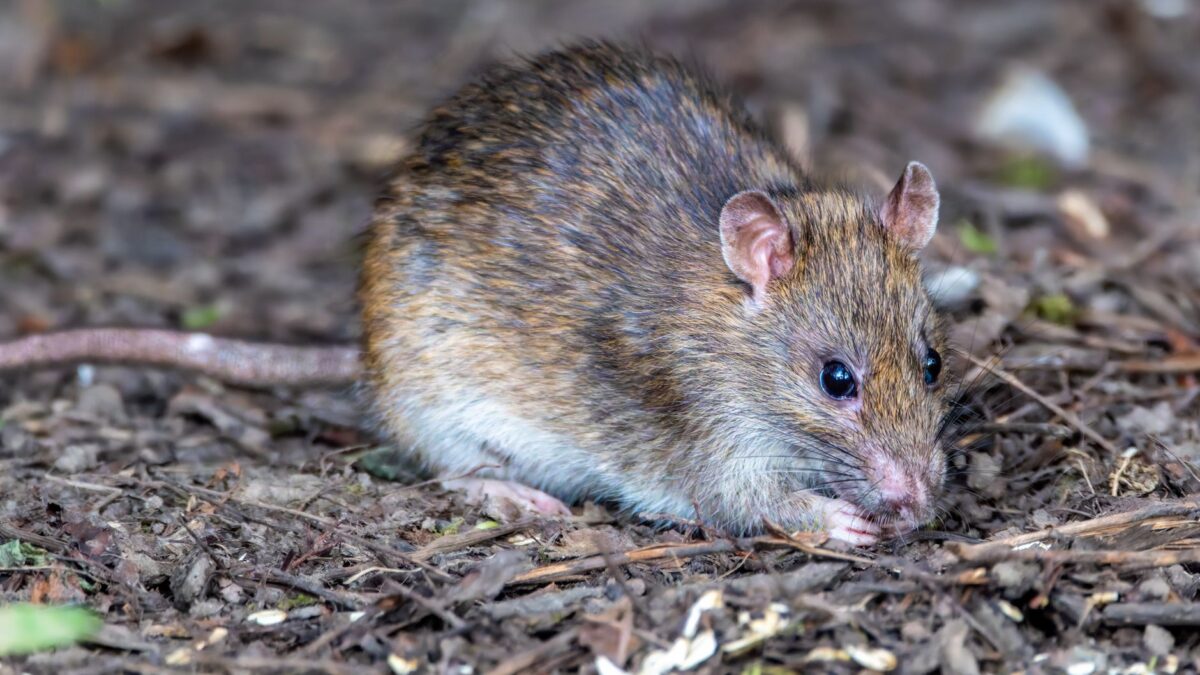
To get rid of rats, confirm they are really rats, set sturdy snap traps along the walls they travel, seal every gap they use to get in, and remove the food and shelter that attracted them. Most small infestations can be handled this way over a few weeks. Large or recurring infestations, rats inside walls and any case involving poison around children or pets are better left to a licensed pest professional.
Signs you have rats
Rats are mostly active at night, so you often notice the evidence before the animal. Common signs include:
- Droppings. Rat droppings are larger than mouse droppings, roughly 1/2 to 3/4 inch (12 to 20 mm) long. Norway rat droppings are blunt and capsule-shaped; roof rat droppings are smaller with pointed ends. Fresh ones are dark and moist, old ones are gray and crumbly.
- Noises. Scratching, scurrying or gnawing in walls, ceilings or attics, usually at night.
- Gnaw marks. Chewed wood, plastic, wiring, pipes or food packaging. Fresh gnawing looks pale and clean.
- Grease marks and tracks. Dark smears along walls and baseboards where rats brush past, plus footprints or tail drags in dusty areas.
- Burrows and nests. Holes about 2 to 3 inches (5 to 8 cm) wide along foundations, under sheds or decks, and nests of shredded paper, fabric or insulation.
- Smell. A musty, ammonia-like odor in enclosed spaces.
If the droppings are small and rice-sized, you may be dealing with mice instead. The approach is similar, but traps and gap sizes differ, so see our guide to getting rid of mice if that fits better.
Why rats move in
Rats come indoors for three things: food, water and shelter. Pet food left out overnight, unsecured trash, bird seed, fallen fruit, compost and open garbage cans are the usual draws. Dense shrubs, woodpiles, clutter in garages and sheds, and gaps under decks give them cover. In colder months, warm attics and wall voids become attractive. Removing these draws matters as much as trapping, because new rats will simply replace any you catch.
Step 1: Seal entry points
An adult rat can squeeze through a hole of roughly 3/4 inch (2 cm), and younger rats through less. Walk the outside of the house and the inside of the attic, basement and garage, looking for gaps around:
- Pipes, cables and vents where they pass through walls
- Gaps under doors, including garage doors, and damaged door sweeps
- Foundation cracks and missing mortar
- Roof edges, soffits, eaves and unscreened vents
- Crawl space and dryer vent openings
Rats gnaw through soft materials, so use tough ones. Good choices are hardware cloth with 1/4 inch (6 mm) mesh, sheet metal flashing, cement or mortar for foundation holes, and coarse steel wool packed tightly and held in place with caulk or sealant. Foam alone, wood, plastic and rubber will not hold up. Fit door sweeps that leave no visible light underneath.
One practical timing point: seal after you have trapped most of the rats, or leave one exit until you are confident none are inside. Sealing rats in can lead to them dying in walls or chewing new openings.
Step 2: Trap them
For indoor use, snap traps made for rats are the most widely recommended do-it-yourself option. Mouse-sized traps are too weak and may injure rather than kill.
- Use rat-sized traps and set several at once. Placing two or more near each active area improves your chances.
- Place them along walls. Rats travel close to vertical surfaces. Set each trap at a right angle to the wall with the trigger end touching it, near droppings, gnaw marks and runways.
- Expect caution. Rats are wary of new objects. Many people leave traps baited but unset for a few days so the rats get used to them, then set them.
- Bait lightly. A pea-sized amount of peanut butter, or nuts, dried fruit or bacon tied on with thread, works well. A large blob lets the rat lick the bait without triggering the trap.
- Check daily. Wear gloves, dispose of dead rats in a sealed bag, and reset or replace traps.
- Keep traps out of reach of children and pets, using covered trap boxes where needed.
Glue boards are generally discouraged because they cause prolonged suffering and can catch pets and wildlife. Live traps can work for a single animal, but check local rules on releasing wildlife, which are often restrictive.
A note on poison
Rodenticide baits are risky around the home. Poisoned rats may die inside walls and cause odor and fly problems, and the poison can reach pets, wildlife and birds of prey that eat affected animals. If bait is needed, it is best used by a licensed professional in tamper-resistant stations. If a child or pet may have eaten rat poison, call Poison Control (1-800-222-1222 in the US), your vet or emergency services right away, and take the packaging with you.
Step 3: Clean up safely
Rat droppings, urine and nesting material can carry bacteria and viruses. Do not sweep or vacuum dry droppings, because this puts particles into the air.
- Ventilate the area for 30 minutes or more before cleaning, and keep children and pets away.
- Wear rubber or nitrile gloves, and consider a well-fitted respirator mask for enclosed or heavily soiled spaces.
- Spray droppings and nests with a disinfectant used according to its label, let it soak for the contact time listed, then wipe up with paper towels and bag them.
- If you use household bleach, dilute it as directed on the label. A bleach dilution calculator can help you get the ratio right. Never mix bleach with ammonia, vinegar or any other cleaner.
- Throw away contaminated insulation and porous items, wash hands thoroughly with soap and water, and wash clothing separately.
Step 4: Keep them from coming back
- Store pet food, bird seed and grains in sealed metal or hard plastic containers.
- Use trash cans with tight lids and take out food waste regularly.
- Pick up fallen fruit, and keep compost enclosed.
- Trim branches that touch the roof and cut back dense ground cover against the house.
- Stack firewood off the ground and away from walls.
- Fix leaking pipes, taps and outdoor drips so there is no easy water.
Rats are not the only pest drawn to crumbs and clutter. The same housekeeping habits help reduce cockroach problems too.
When to call a pro
Consider a licensed pest control company if:
- You see rats in daylight, or more than a few at once, which can signal a large population.
- Noises continue in walls or the attic after two weeks of consistent trapping.
- You cannot find or safely reach the entry points, such as on a roofline or in a crawl space.
- Rats are coming from a sewer, a neighboring property or an outbuilding.
- Chewed wiring is present, which is a fire risk and may need an electrician.
- There are young children or pets in the home and you are considering poison.
A good professional will inspect, identify entry points, explain the plan and recommend sealing work, not just treatment. Ask about the methods and products they plan to use.
Quick answers
How long does it take to get rid of rats?
A small problem often clears in one to three weeks of trapping, provided the entry points are sealed and food is secured. Larger infestations can take longer and may need professional help.
Do ultrasonic repellents or peppermint oil work?
There is little reliable evidence that either drives rats out for good. Rats tend to get used to them. Sealing, trapping and removing food sources are the proven methods.
Are rats dangerous to my health?
They can spread disease through droppings, urine and bites, and they contaminate food. Handle cleanup carefully, wash hands afterward and see a doctor if you are bitten or become unwell after exposure.
Can I use the same methods for mice?
Mostly, yes, but mice fit through much smaller gaps and need smaller traps. Seal openings tighter and use mouse-sized traps for them.