How to Clean Suede Shoes: Brushing, Stains and Water Marks
Clean suede shoes dry first with a suede brush and eraser, then treat stains with as little water as possible. Covers water marks, salt, oil, mud and protection.
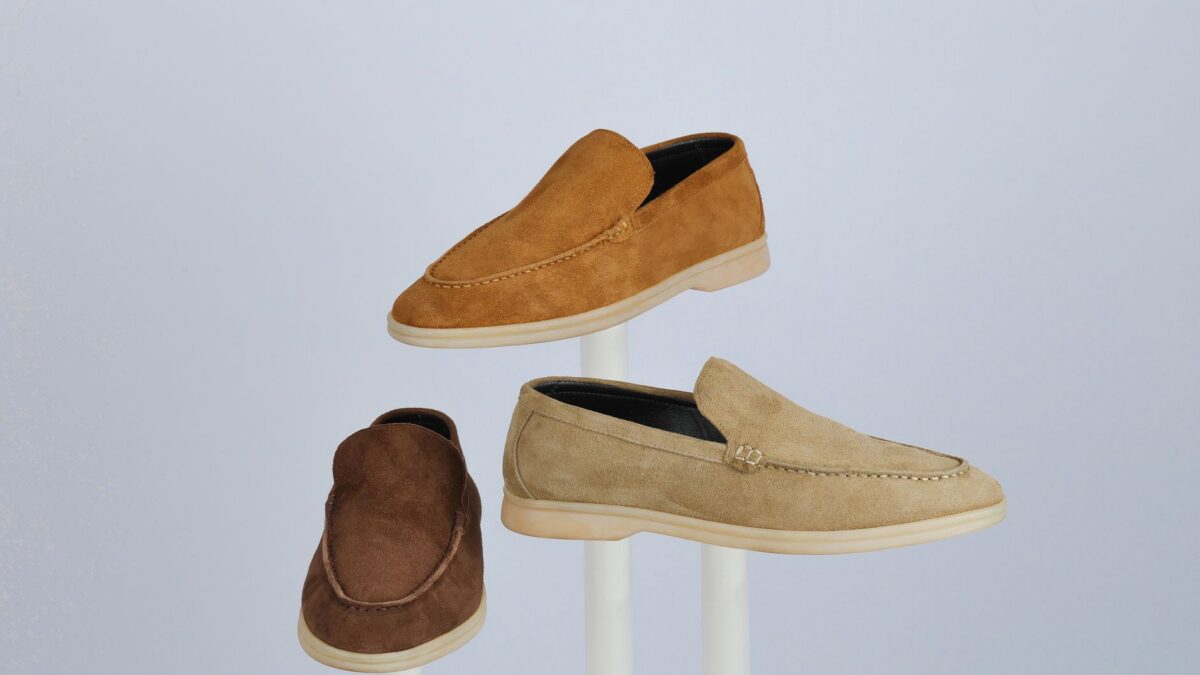
To clean suede shoes, let them dry completely, brush the nap with a suede brush, rub scuffs and small marks with a suede eraser, and treat stains with as little moisture as possible. Water marks come out by dampening the whole panel evenly and letting it dry slowly, while oil stains need an absorbent powder such as cornstarch left on overnight. Suede shoes should never go in the washing machine or dry next to a heater.
What do you need to clean suede shoes?
Most suede care takes a few inexpensive tools, and the brush does most of the work.
- A suede brush, ideally one with brass or nylon bristles on one side and a softer crepe rubber pad on the other.
- A suede eraser, sold in shoe-care kits. A clean white pencil eraser works on small marks.
- Plain white paper or shoe trees to hold the shape while the shoes dry. Newsprint can transfer ink onto light suede.
- Cornstarch or unscented talc for grease and oil.
- White vinegar for salt lines, and a clean white cloth or sponge.
- A suede protector spray made for suede and nubuck.
Use white cloths so no dye moves onto the shoe. Check the shoe maker’s care instructions as well, since some treated or bonded suedes have their own rules.
How do you brush suede shoes for routine cleaning?
Brushing lifts dust and restores the soft raised fibers, called the nap, so it is the first step for every cleaning job.
- Make sure the shoes are completely dry. Brushing wet suede pushes dirt deeper and flattens the nap.
- Stuff the shoes with paper or put in shoe trees so the surface stays firm.
- Brush lightly in one direction to remove loose dirt.
- Go back over scuffed or flattened areas with short back-and-forth strokes to raise the nap.
- Finish with light strokes in one direction so the color looks even.
A quick brush after every few wears keeps dirt from settling into the fibers. Press gently, because hard scrubbing with metal bristles can wear thin spots into the leather.
How do you remove water marks from suede?
Water marks on suede are usually rings where a drop or splash dried unevenly, and the standard fix is to wet the whole panel evenly so it dries without an edge.
- Brush the shoe first to remove surface dirt.
- Dampen a clean sponge or soft brush with plain water and wring it out well.
- Work the moisture lightly over the entire panel that has the mark, seam to seam, so the whole area is evenly damp but not soaked.
- Blot off excess water with a dry white cloth.
- Stuff the shoe with plain paper and let it air dry at room temperature for a full day, away from radiators, heaters and direct sun.
- Once dry, brush the nap back up.
Heat speeds drying but can make suede stiff, shrunken or cracked. If the shoes got soaked through in rain or snow, follow the same slow-drying routine, changing the paper stuffing when it gets damp.
How do you get salt stains out of suede shoes?
White winter salt lines usually lift with a mild solution of white vinegar and water.
- Let the shoes dry and brush off as much loose salt as you can.
- Mix about one part white vinegar with two parts cool water.
- Dip a white cloth in the mixture, wring it out and dab the salt line. Do not rub hard.
- Dab the area again with a cloth dampened in plain water, then blot dry.
- Stuff the shoes and air dry, then brush.
Use vinegar only with water. Do not combine it with other cleaners, and never mix vinegar or any acid with bleach. The same road salt builds up in cars, and our guide to cleaning car floor mats and winter salt stains covers that side of winter cleanup.
How do you remove oil, grease and food stains?
Fresh oil and grease stains on suede come out best with an absorbent powder, so act before the oil spreads.
- Blot fresh oil with a paper towel. Do not rub.
- Cover the stain with a generous layer of cornstarch or talc.
- Leave it for several hours, or overnight for a larger spot.
- Brush the powder away and check the stain. Repeat if needed.
Older, set-in grease may only lighten. Commercial suede cleaners can help, but test any product on a hidden spot such as the inside of the heel first and follow the label. Do not use dish soap and water, laundry stain removers or solvents meant for fabric, since they can darken or strip suede.
How do you clean mud, scuffs and other marks?
Mud is easiest to remove after it dries completely. Wiping wet mud smears it into the nap, while dried mud breaks off and brushes away. Use the brush first, then the suede eraser on any shadow that remains.
For scuffs and shiny flattened patches, rub the suede eraser over the mark with firm, short strokes, then brush to lift the nap. Chewing gum hardens if you hold an ice cube in a plastic bag against it, after which you can pick it off gently and brush the area.
Grass marks on suede respond to the same dry method: brush, then eraser. Fabric sneakers and canvas take a different approach, explained in our article on getting grass stains out of jeans, sports clothes and white shoes.
How do you protect suede shoes after cleaning?
A suede protector spray helps water and dirt bead on the surface instead of soaking in, which makes the next cleaning easier.
- Apply it to clean, completely dry shoes.
- Spray outdoors or in a well-ventilated area, holding the can at the distance the label gives, and keep it away from children and pets.
- Test on a hidden spot first, since some sprays slightly darken light suede.
- Let the shoes dry for the time on the label before wearing them, and reapply as the label directs, often every few weeks in wet weather.
Store suede shoes in a cool, dry place with shoe trees or paper inside, in a breathable cloth bag rather than plastic, which traps moisture and can lead to mildew.
Quick answers
Can you put suede shoes in the washing machine?
No. Soaking and tumbling make suede stiff, shrink it and can cause dye to bleed. Clean suede by hand with a brush, eraser and spot treatments.
Can you use a hair dryer to dry wet suede shoes?
Avoid it. Direct heat can harden and crack suede. Stuff the shoes with paper and let them dry slowly at room temperature, then brush the nap.
What can you use if you do not have a suede brush?
A clean, dry toothbrush with soft bristles works for light brushing, and a clean white pencil eraser works on small marks. A proper suede brush raises the nap better on larger areas.
When should suede shoes go to a professional?
Take them to a shoe repair or leather cleaning shop for large ink stains, deep set-in oil, color loss or expensive shoes you do not want to risk. Cobblers can also re-dye faded suede.