How to Remove Deodorant Marks From Shirts, Including Dark Clothes
Fresh deodorant marks rub off with a dry cloth or a damp sponge. Built-up residue needs a vinegar soak or enzyme detergent. Steps for whites, colors and darks.
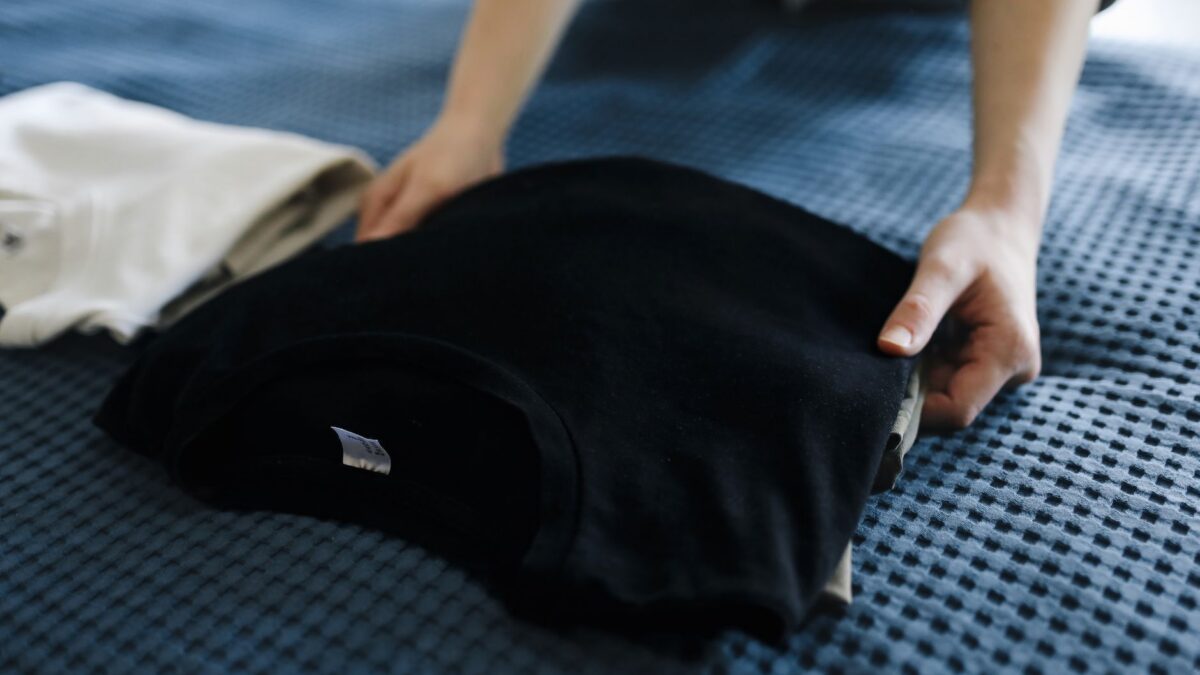
Fresh white deodorant marks usually come off a shirt in seconds: rub the fabric against itself, or wipe it with a clean, slightly damp sponge or cloth. Built-up residue, the stiff white crust on dark clothes or the yellow, waxy patches on white underarms, needs a soak in a mix of white vinegar and water or a rub with enzyme laundry detergent before a normal wash. Keep the shirt out of the dryer until the mark is gone, because heat sets the residue into the fibers.
What causes deodorant marks and buildup?
The marks come from the ingredients in the stick, gel or spray. Most antiperspirants use aluminum compounds to reduce sweat, and they also contain waxes, oils and powders that help the product glide on and dry. Each type leaves a different kind of mark:
- White streaks on the outside of a shirt, usually from pulling it over your head before the deodorant has dried.
- Chalky or crusty patches inside dark shirts, where residue builds up wash after wash.
- Yellow, stiff underarm areas on white shirts, where aluminum salts combine with sweat and body oils over time.
- Greasy or translucent spots from gels and clear formulas, which behave more like an oil stain.
Yellowing has more to do with sweat than deodorant alone, and our guide to removing yellow underarm sweat stains covers that side in more detail.
How do you get a fresh deodorant streak off a shirt?
A fresh streak sits on the surface, so dry friction or a little water lifts it. Try these in order:
- Grab a clean, dry part of the same shirt and rub it briskly over the mark. Fabric against fabric loosens the powder.
- If a trace is left, rub it with a clean sock or a pair of old nylon tights. Their fine texture picks up residue without leaving lint.
- For anything still visible, dab with a clean sponge or cloth barely dampened with water, then let the spot air-dry.
Avoid scrubbing hard with a wet cloth on dark cotton, which can spread the residue into a wider gray haze. Light, repeated passes work better.
How do you remove deodorant buildup from dark clothes?
A soak in diluted white vinegar dissolves most built-up residue on black and dark shirts. Vinegar is mildly acidic and breaks down the mineral and aluminum deposits that cause the crust.
- Check the care label. If the shirt is dry-clean only, take it to a cleaner and point out the stain.
- Turn the shirt inside out so you can reach the buildup directly.
- Mix equal parts white vinegar and cool water in a basin or sink.
- Soak the underarm areas for 30 minutes to an hour.
- Rub the fabric gently between your fingers, or work it with a soft-bristled toothbrush.
- Rinse in cool water, then wash as usual in cold water with your regular detergent.
- Air-dry and check the spot. Repeat the soak if any residue remains.
Test vinegar on a hidden seam first if the dye looks unstable, such as on new, deeply colored cotton. Cold water is the safer choice for dark fabrics because it limits fading.
How do you treat yellow, stiff underarms on white shirts?
Yellow buildup on whites responds best to an enzyme detergent pretreatment followed by an oxygen bleach soak. Enzymes break down the sweat proteins and body oils, and oxygen bleach lifts the remaining discoloration.
- Rub a little liquid laundry detergent that lists enzymes on the label into both sides of the underarm area. Leave it for 15 to 30 minutes.
- For stiff patches, follow with a paste of baking soda and a little water, scrubbed in with a soft brush.
- Soak the shirt in warm water with oxygen bleach (sodium percarbonate powder), mixed and timed as the product label directs. Several hours or overnight is common for set-in yellowing.
- Wash in the warmest water the care label allows.
- Air-dry and repeat if the yellow is still visible.
Skip chlorine bleach on these stains. It can react with the proteins in sweat and the aluminum residue and make the yellow darker. Oxygen bleach is also gentler on colorfast fabrics, though you should test it on an inside seam of colored shirts first.
What about clear gel and oily deodorant marks?
Clear gels and some “invisible” formulas leave greasy spots that need a degreaser. Work a drop of clear liquid dish soap into the spot with your fingers, let it sit for about 10 minutes, rinse with warm water and wash normally. The same approach used for grease stains on clothes works here, since the residue is mostly oil and wax.
What mistakes make deodorant stains worse?
Heat and harsh chemicals are the usual problems. Watch for these:
- Drying the shirt in the dryer before the mark is gone. Heat bakes residue in, much as it does with ink that has been through the dryer.
- Ironing over the underarm area while residue is still there.
- Using chlorine bleach on yellowed underarms.
- Mixing products. Never combine vinegar, ammonia or any other cleaner with chlorine bleach, because the mix releases toxic gas. Rinse the fabric well with water before switching from one treatment to another.
- Scrubbing delicate fabrics such as silk, rayon or wool with a stiff brush. Blot and soak them gently instead, or use a dry cleaner.
Keep vinegar, detergents and bleach in their original containers, follow the label directions, work with a window open or a fan running, and store everything out of reach of children and pets. If someone swallows a laundry product or gets it in their eyes, call Poison Control at 1-800-222-1222 in the US, or emergency services.
How can you prevent deodorant marks and buildup?
Let deodorant dry fully before you dress, and use a little less of it. A few habits help:
- Apply antiperspirant at night, when it has hours to absorb, and a thin layer in the morning if you need it.
- Wait a few minutes after applying before putting on a shirt, especially a dark one.
- Pull shirts on carefully, or use button-front shirts on busy mornings.
- Wash shirts after each wear rather than letting residue build up over several days.
- Wash dark clothes inside out in cold water.
- Give regularly worn shirts a vinegar soak every few weeks before buildup shows.
Quick answers
Does a dryer sheet remove deodorant marks?
A clean, unused dryer sheet rubbed over a fresh white streak often lifts it, the same way a nylon sock does. It does little for buildup that has been washed in several times.
Can hydrogen peroxide remove yellow deodorant stains?
Hydrogen peroxide can lighten yellowing on white cotton, but it can also bleach colors, so keep it to whites and test it on a hidden spot first. Do not mix it with vinegar or other cleaners.
Why do deodorant marks come back after washing?
Ordinary washing often leaves part of the waxy residue in the fibers, and the next layer of deodorant builds on top. A vinegar soak or enzyme pretreatment removes the old layer so it stops reappearing.
Is aluminum-free deodorant less likely to stain?
Aluminum-free deodorants do not form the yellow aluminum buildup, though their oils and powders can still leave white or greasy marks on fabric.