Energy-Saving Tips for Appliances: Fridge, Washer, Dryer, Dishwasher and Standby
The cheapest energy savings come from settings and habits, not new appliances. Here are the ones official sources back, without inflated savings claims.
The biggest free savings come from washing clothes in cold water, running full loads in the washer and dishwasher, cleaning the dryer lint screen every load and using the moisture sensor, keeping the fridge at 40°F or below and the freezer at 0°F without over-cooling, and cutting standby power from electronics. When you replace something, an ENERGY STAR certified model is the simplest way to buy efficiency. Actual savings depend on your appliances, habits and energy prices, so be wary of anyone promising a specific number.
Laundry: the washer
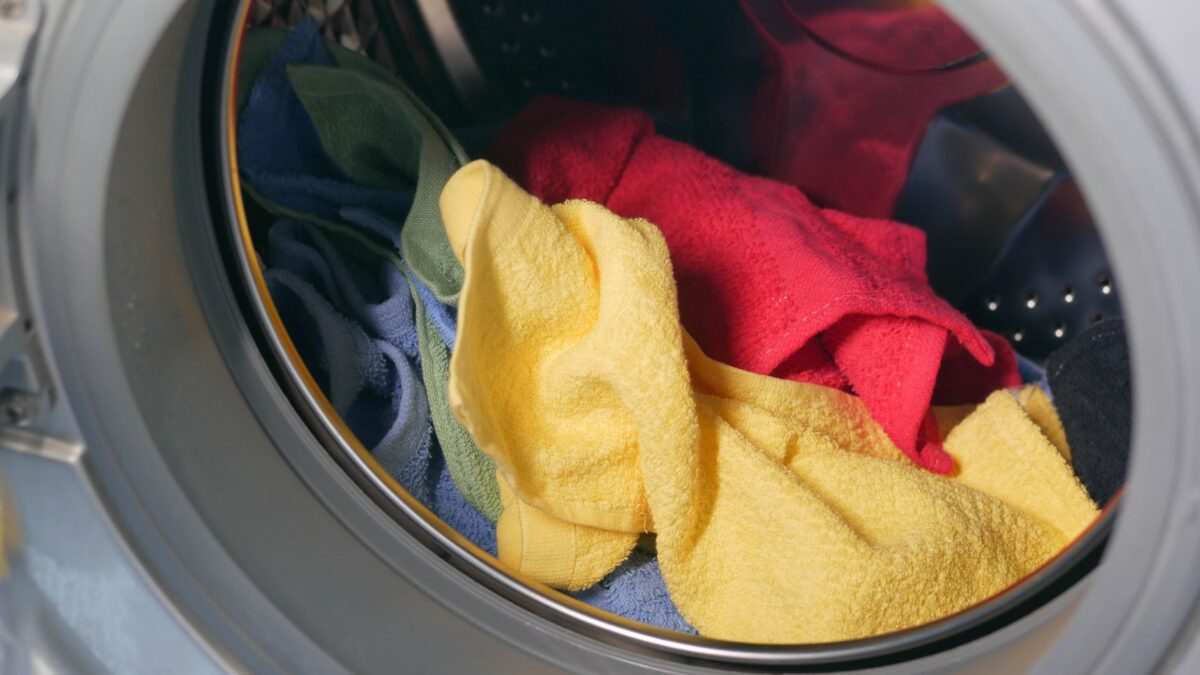
Most of the energy a washer uses goes to heating water. The Department of Energy’s laundry tips say switching from hot to warm can cut a load’s energy use in half, and recommend cold water with a cold-water detergent whenever possible.
- Wash in cold for most everyday loads. Save hot for heavily soiled items, sickness in the house, or when a care label calls for it.
- Run full loads, or set the load size correctly on machines that let you.
- Use the right detergent amount. Too much detergent can mean extra rinses. See how much laundry detergent to use.
- Use a high spin speed where fabrics allow: drier clothes need less time in the dryer.
Laundry: the dryer
- Clean the lint screen before or after every load. It improves airflow and is a key fire-safety habit.
- Keep the vent duct clear. A blocked vent makes cycles longer. See how to clean a dryer vent.
- Use the moisture-sensing or auto-dry cycle instead of a long timed cycle, so the dryer stops when clothes are dry.
- Dry similar fabrics together: towels with towels, light synthetics with light synthetics.
- Dry loads back to back to use heat already in the drum.
- Line-dry or rack-dry when you can; it costs nothing.
Refrigerator and freezer
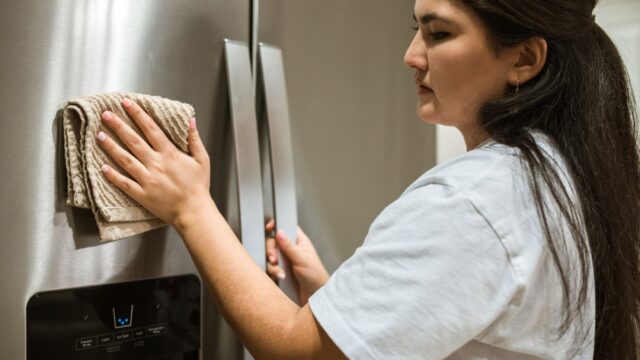
The FDA advises keeping the refrigerator at 40°F (4°C) or below and the freezer at 0°F (-18°C). Going much colder than you need uses extra energy without making food safer. Many people aim for about 37°F in the fridge to leave a margin below 40°F.
- Check with an appliance thermometer. Built-in dials and displays are not always accurate.
- Keep door seals clean and tight. Close the door on a sheet of paper; if it slides out easily, the gasket may need attention.
- Clean the condenser coils if your model has accessible ones. See how to clean refrigerator coils.
- Leave space for airflow around the fridge as the manual specifies.
- Let hot food cool briefly but refrigerate leftovers promptly for food safety (within two hours is the common guidance).
- Defrost manual-defrost freezers before frost gets thick.
- Organize so you open the door less. See how to organize a fridge.
- Think twice about an old second fridge in the garage running mostly empty. If you keep it, check its temperature and seal.
Dishwasher
- Run full loads and use the eco or normal cycle; eco cycles save energy by running longer at lower temperatures.
- Scrape, don’t pre-rinse. Modern dishwashers and detergents are designed for scraped plates; rinsing under a running hot tap wastes water and energy.
- Skip heated dry where your model allows; use air-dry or open the door at the end of the cycle (if the manual permits).
- Clean the filter regularly so the machine cleans well the first time.
Cooking
- Use the microwave, toaster oven or air fryer for small portions rather than heating a full oven.
- Match pan size to the burner or element, and keep lids on pots to boil faster.
- Avoid opening the oven door repeatedly; each opening lets heat out.
- Keep the range hood filter clean so the fan works without running longer than needed.
Standby power
Many electronics draw a small amount of power when switched “off” but still plugged in, such as TVs, game consoles, chargers, printers and anything with a clock, remote sensor or always-on light. Ways to reduce it:
- Plug entertainment and office equipment into a power strip you switch off when not in use, or an advanced power strip that cuts power automatically.
- Turn off game console “instant on” or similar modes if you don’t need them.
- Unplug chargers that are not in use.
- Leave devices that need constant power, such as Wi-Fi routers or medical equipment, plugged in.
Where habits matter most
| Appliance | Free fix | Low-cost fix |
|---|---|---|
| Washer | Cold water, full loads | Cold-water detergent |
| Dryer | Clean lint screen, sensor dry | Vent cleaning kit, drying rack |
| Refrigerator | Correct temperature, clear vents | Appliance thermometer, coil brush |
| Dishwasher | Full loads, no pre-rinse, air-dry | Rinse aid for better drying |
| Electronics | Switch off standby modes | Switchable or advanced power strip |
When you replace an appliance
Look for the ENERGY STAR label and compare the yellow EnergyGuide labels, which show estimated yearly energy cost for similar models. Size matters too: an oversized fridge or freezer uses more energy than you need. Many utilities offer rebates on certified appliances; check your utility’s website.
Bottom line
Wash cold, fill the machines, clean the lint screen and dryer vent, keep the fridge at 40°F or below and the freezer at 0°F, and cut standby power. These cost little or nothing and work on the appliances you already own.
FAQ
Does washing in cold water really clean clothes?
For most everyday loads, yes, especially with a detergent designed for cold water. Use warmer water for heavy soil, oily stains or when the care label calls for it.
Is it cheaper to run appliances at night?
Only if your utility has time-of-use rates. Check your plan; on a flat rate, the time of day does not change the price.
What fridge temperature saves energy without risking food?
Keep it at or below 40°F, with many people aiming for around 37°F. The freezer should be at 0°F.
Do power strips save much?
They cut standby draw from clusters of electronics. Savings vary by device, so focus on entertainment centers and home offices.